Art is iconic, but what’s even more iconic is the ability to be able to pick up a paint brush or a pencil and start that artistic journey. The world as it stands today is cluttered with digital imagery and with every day that passes, artificial intelligence inches closer to blurring the lines between what’s real and what’s fiction.
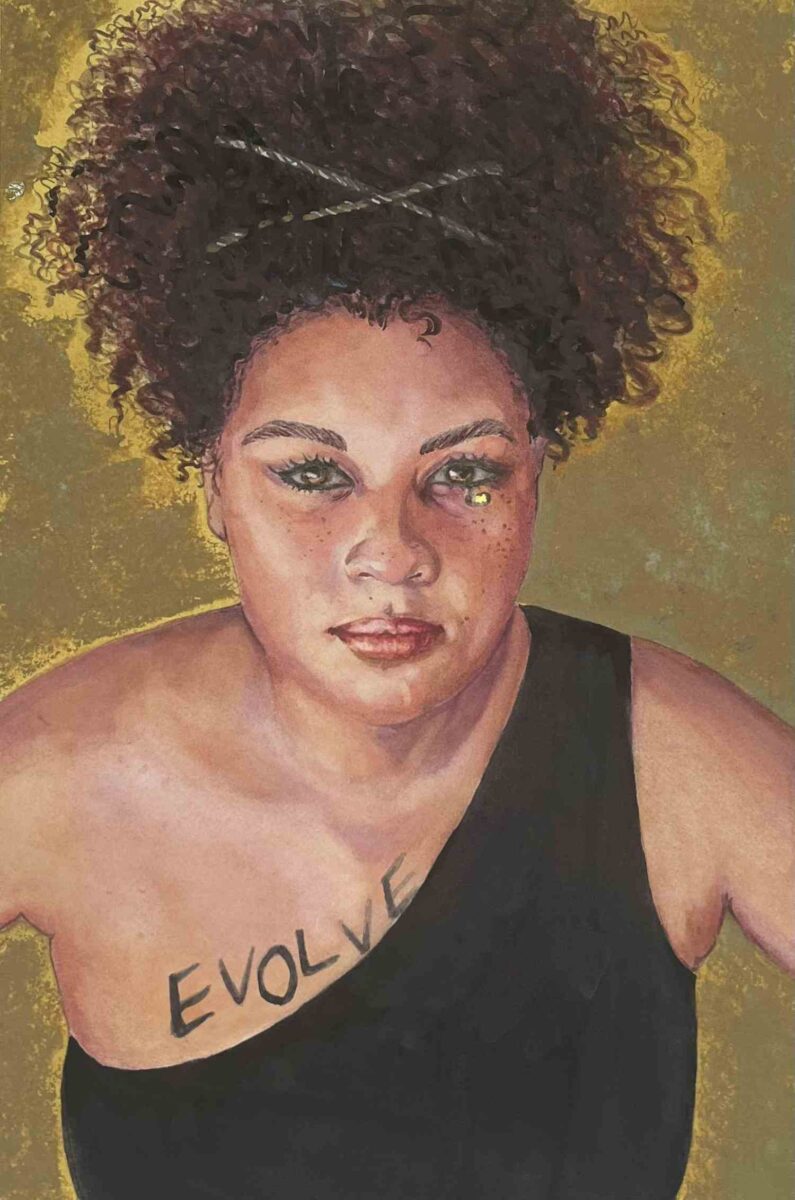
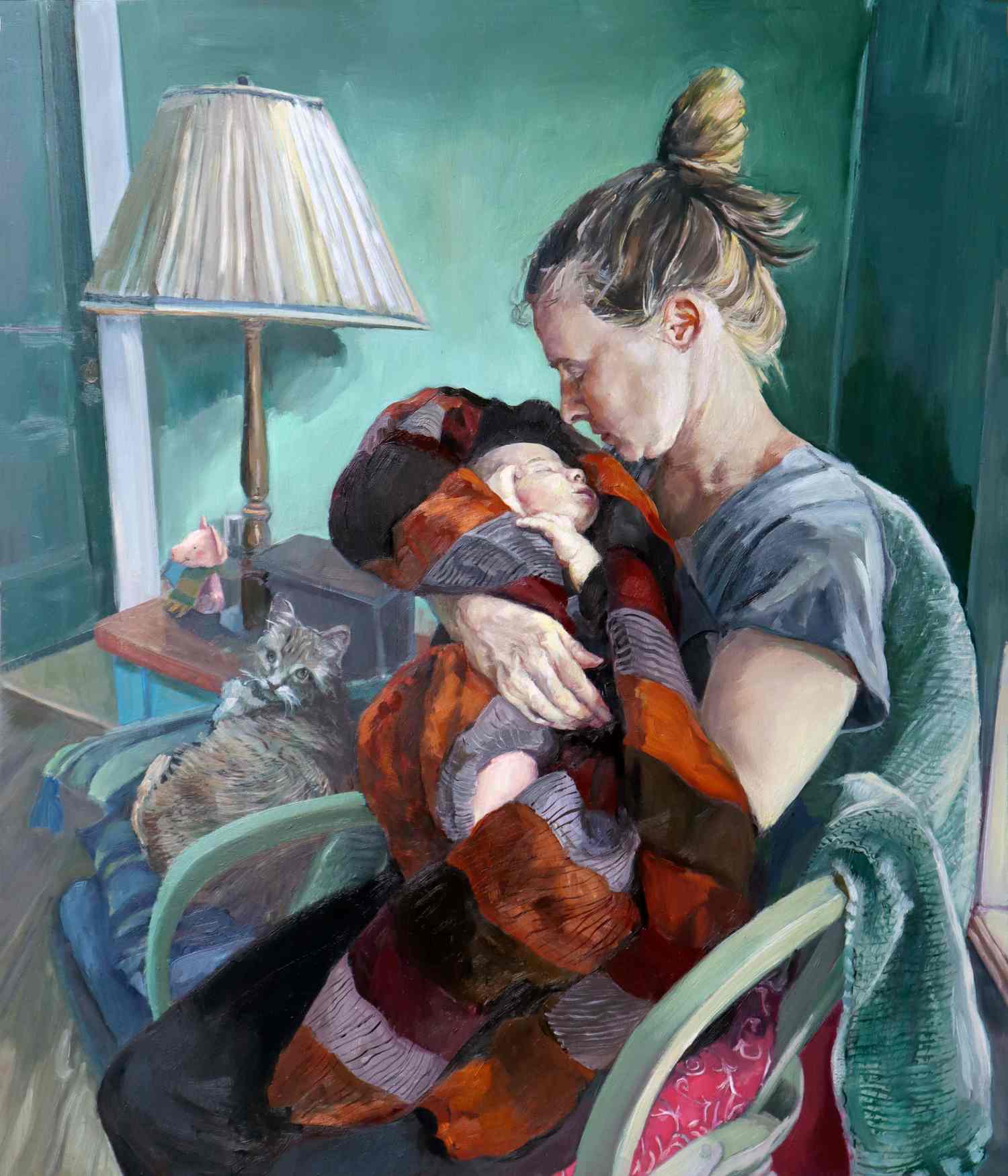
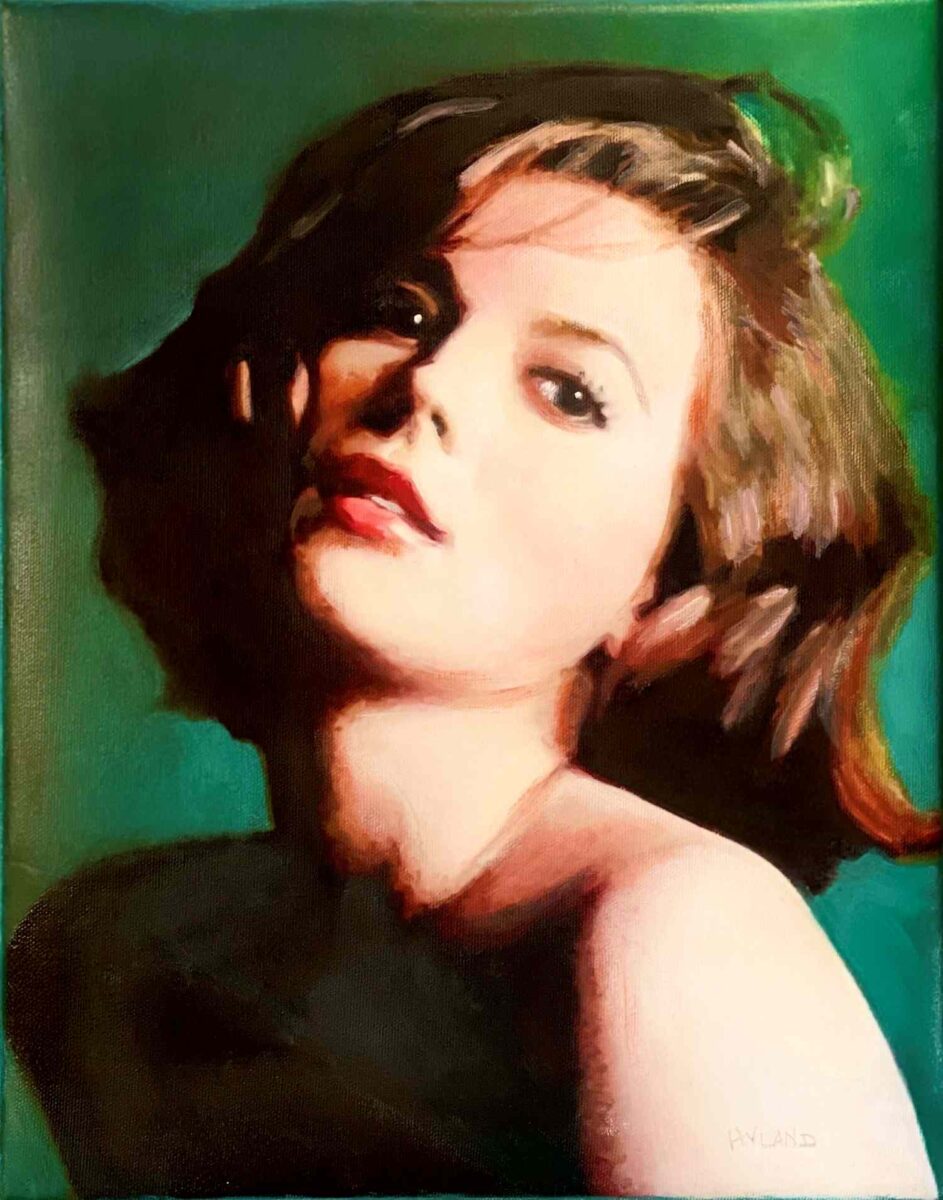
This is where ‘Iconic’ comes in, a brand new exhibition curated by David Hummer and Didi Menendez for the Wausau Museum of Contemporary Art in Wisconsin. From 5 March to 13 June 2026, art is being brought back to its roots as this new group show will offer museum goers the opportunity to reconnect with artists who continue to use traditional mediums including oils, watercolours and other mixed media. ‘Iconic’ will include works from Kimberly Dow, John Hyland, Alayne Sahar, Ivan Pazlamatchev, Patricia Schappler, Shannon Fannin, Susan Grace and many more!
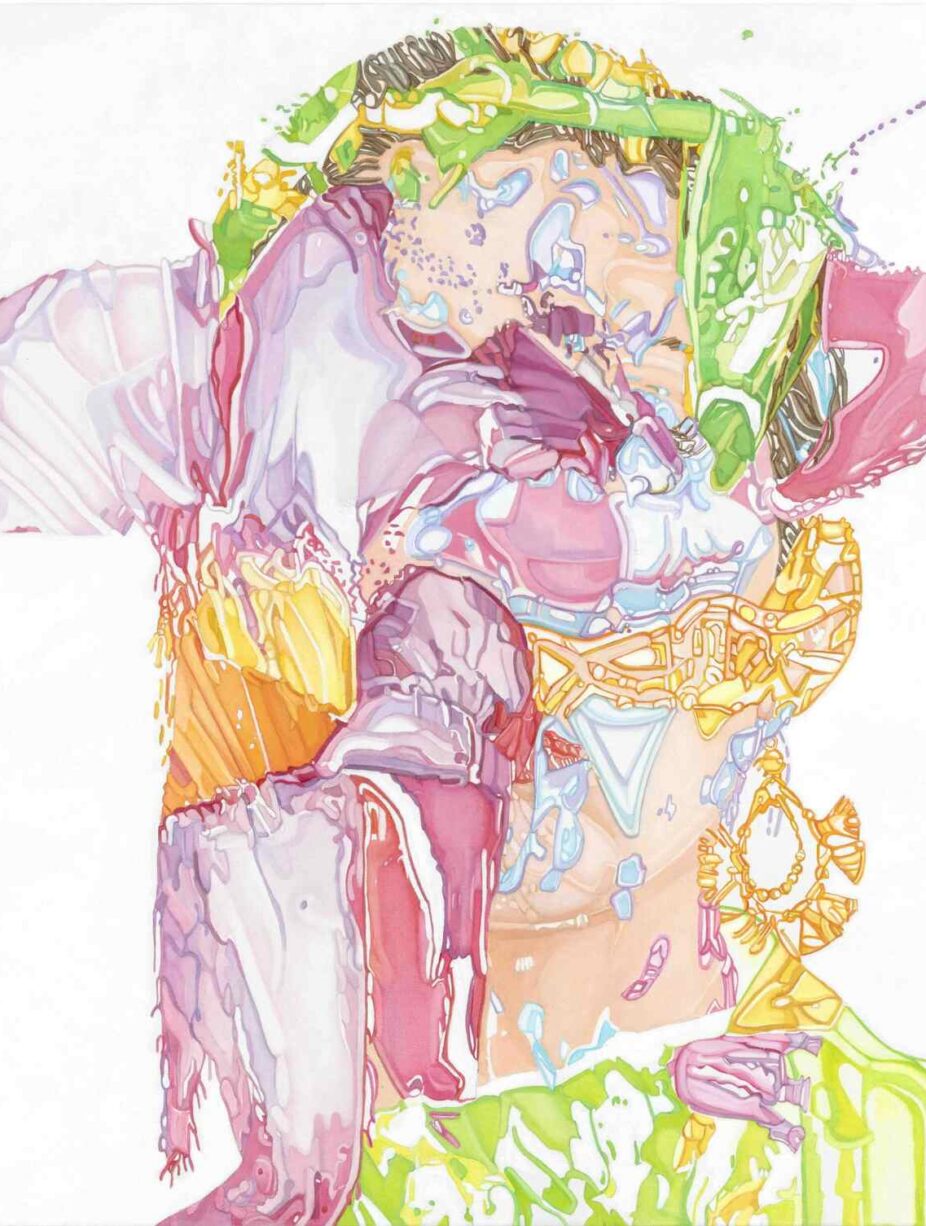
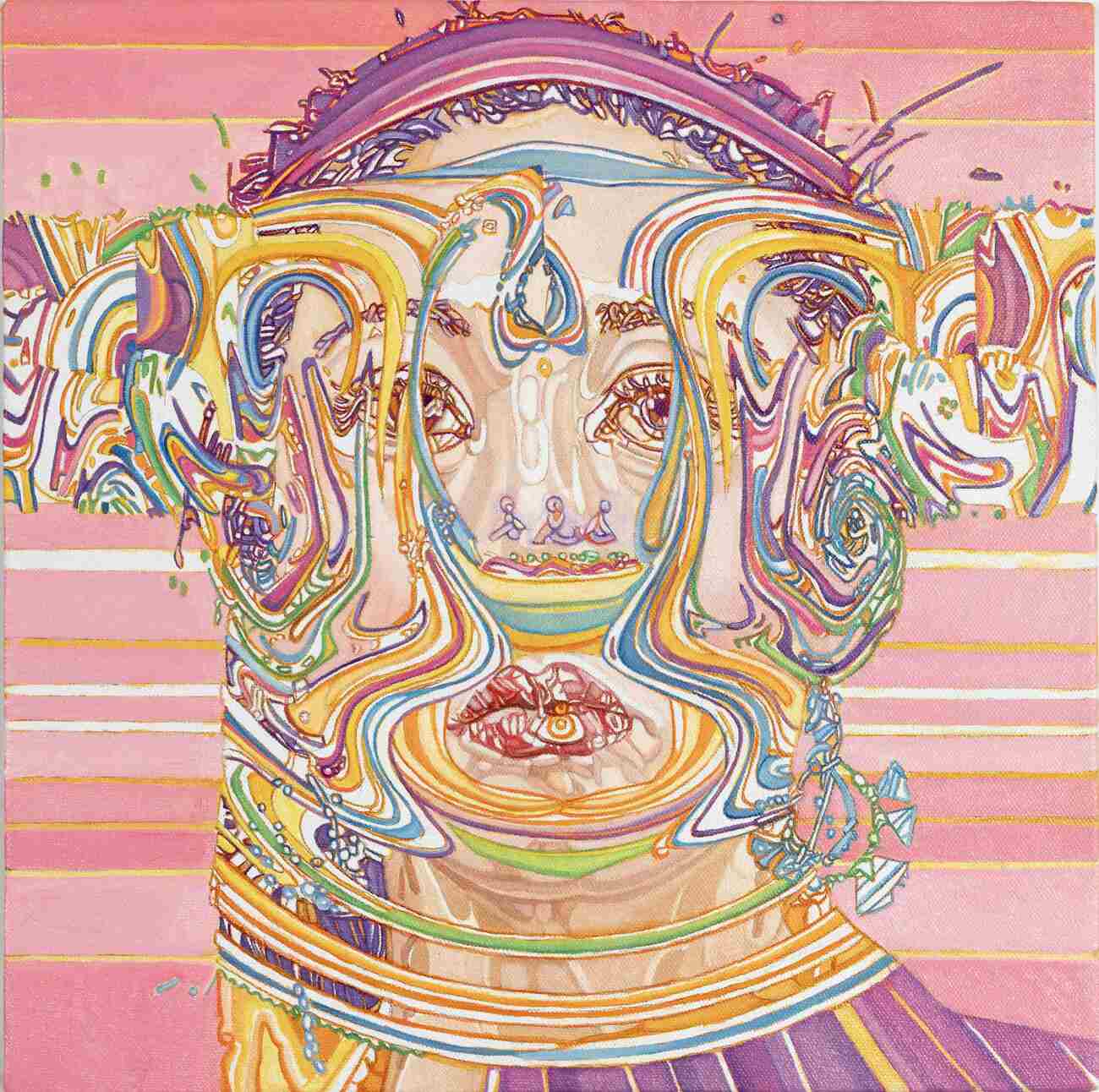
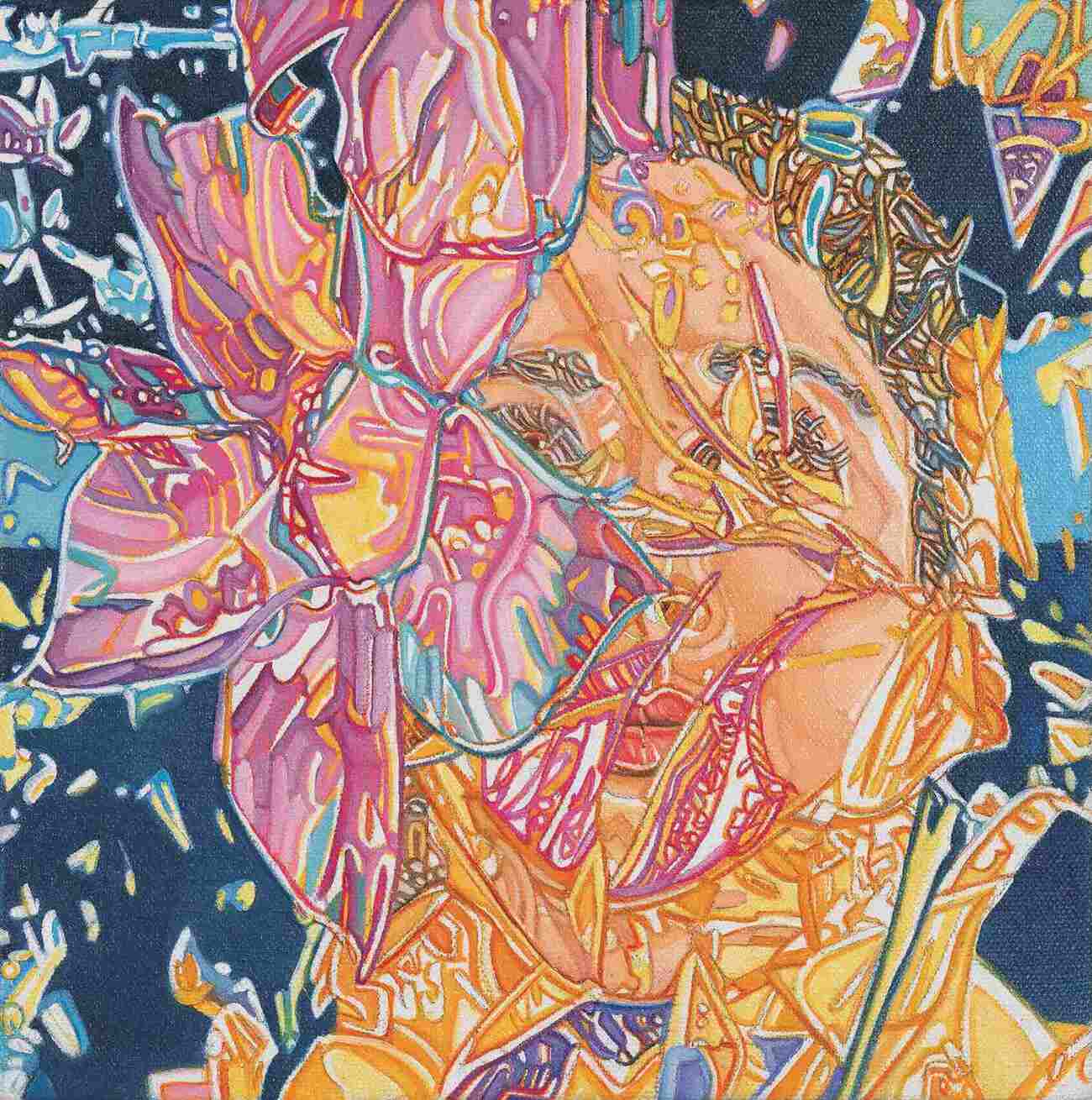
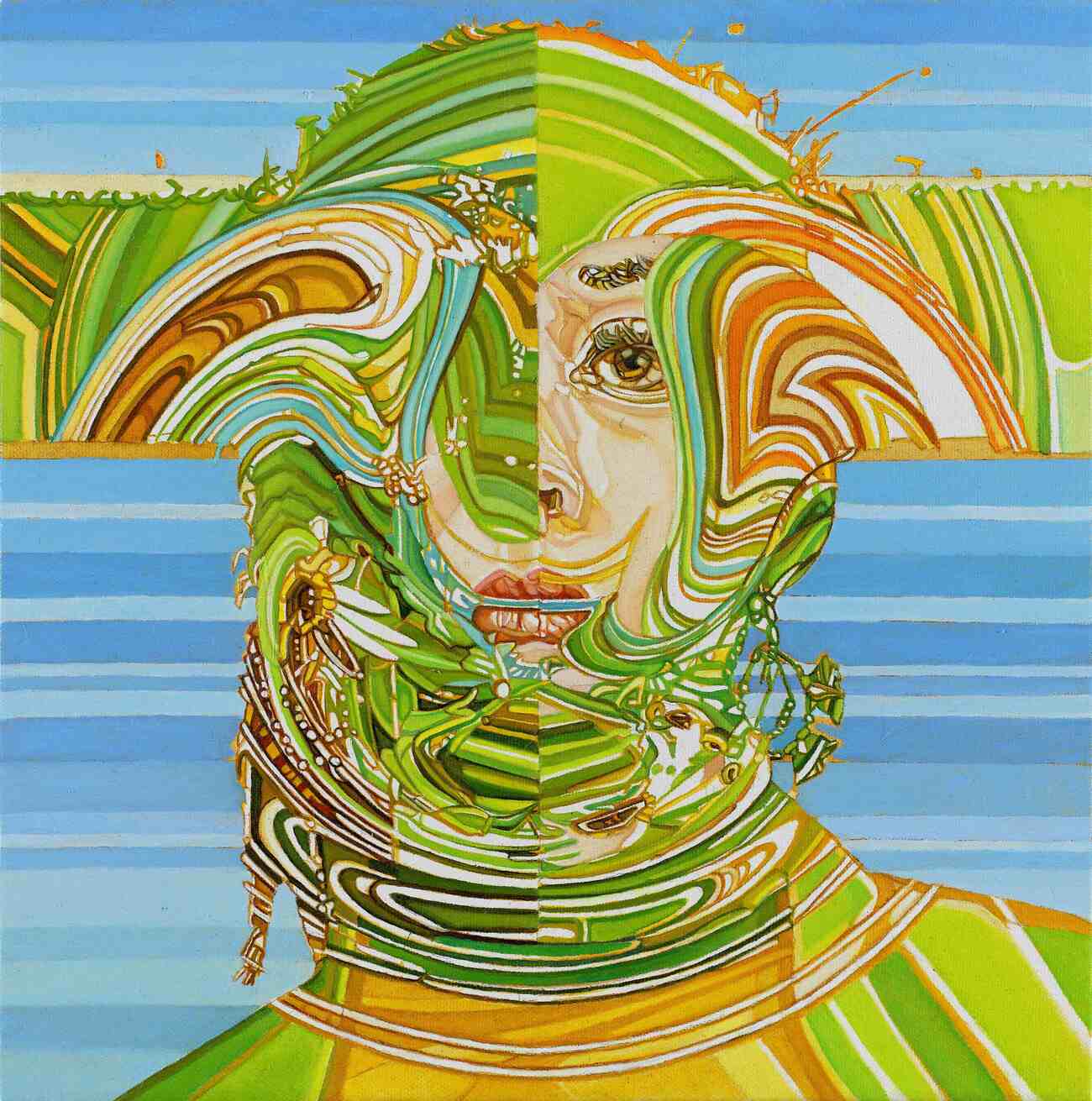
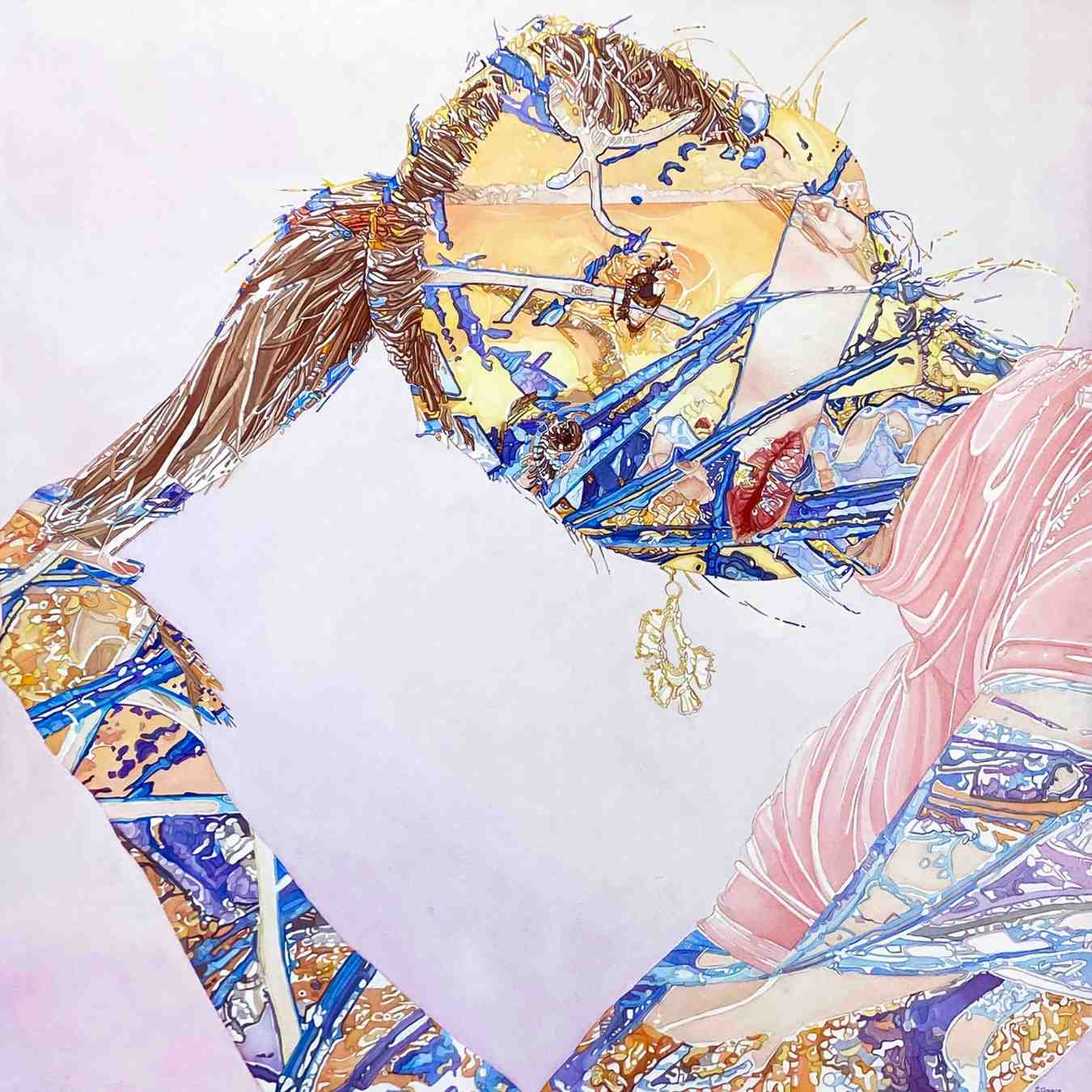
In this exclusive interview, I catch up contemporary figurative artist Susan Grace who’s one of the artists participating in ‘Iconic’. Susan is best known for her unique painting style that blends realism with abstraction to create works where her subjects appear to be in a state of flux. Her oil paintings often focus on the feminine form which is blended together with other organic forms, masks and adornments to showcase psychological or spiritual states of being and the concept of personas. Susan’s contributions to the show consist of three paintings titled “Reverberation (Inside the Hive) #1″, “On the Familiar Road / Galloped in Dreams”, and “Aria #2”. Continue reading to learn more about the artworks she’s included for ‘Iconic’, her painting process and learn more about what makes her work so iconic!
Interview with Susan Grace
This exhibition celebrates traditional mediums reminding artists of how iconic it truly is to be able to pick up a brush and paint. What are some of the things you think are iconic about yourself and your work as an artist?
I’m thrilled to be included in the Iconic exhibition at Wausau Museum of Contemporary Art with so many artists whose work I greatly respect and admire. Thank you to the curators, David Hummer and Didi Menendez.
As an oil painter, I am part of an old and long tradition of artists who use oil pigment, brushes, a canvas, a panel, or paper to create an image. There are no complicated tools involved in this process. It is only the imagination, the eyes, and the hand guiding the brush. My place in this tradition of painters is that I’m a contemporary figurative painter whose oil paintings have their basis in the human form. My work primarily focuses on the female figure and explores the various ways feminine identity can be expressed. In my portraits of women, organic forms, adornment, and masks are used to indicate psychological or spiritual states and to facilitate the creation of new personas. The female figures do not refer to women in a specific period of history – they could be ancient goddesses or famous contemporary fashion models. They do not fit into neat categories. In my portraits, I create space for multiple interpretations, gesturing toward a narrative that I ultimately leave open. I see the figures in my paintings as participants in unfinished dramas in which they are continually evolving, exploring possibilities for metamorphosis, delighting in the fluidity of identity, and remaining indifferent to a final resolution.
I’d love to learn about the artworks you’ve contributed to this exhibition and why you decided to include these specifically in the show.
I have three paintings in ‘Iconic’, and all of them focus on the head of a woman. I regard them as portraits in which the female figure alludes to iconic or archetypal concepts regarding feminine beauty and identity. They are part of a series that I’ve been working on for the last few years. Self-contained, private, and mysterious, they are usually portrayed alone and absorbed in their own world, which is an extraordinary realm outside mundane reality.
In the painting “Reverberation (Inside the Hive) #1″, a female figure faces the viewer with a direct gaze, but her expression and pose do not reveal her intentions or inner thoughts. Her energy radiates from her in the form of a horizontal strip of green, blue and yellow curved lines. I imagine her as a guardian figure, deep inside the center of a hive, but of what or of whom, we do not know. She is listening, waiting, knowing while remaining constantly vigilant. She is timeless, yet throughout time she is continually evolving, consciously choosing her next transformation, and delighting in her ability to move fluidly from one identity to the next.
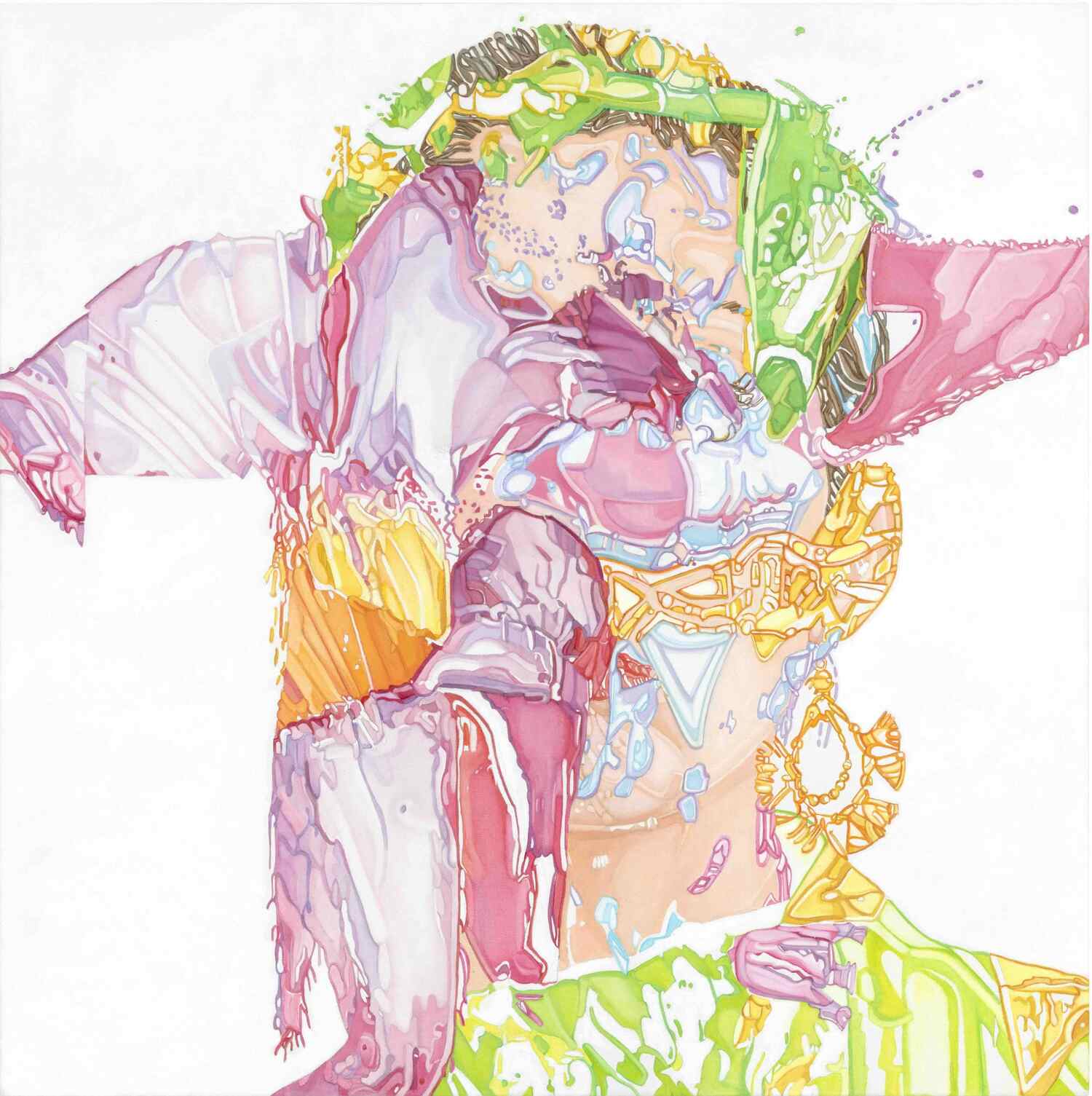
The title of the painting “On the Familiar Road / Galloped in Dreams”, are lines from the poem “Until The Desert knows” by Emily Dickinson. I was drawn to the poem’s reflection on the nature of desire, perspective, and the shifting views of reality depending on place, time, knowledge, and interpretation. I wanted to create a female figure who embodies these ideas in the poem. The figure glows with colourful shapes and lines embracing her face and radiating from her as as a powerful horizontal band of pure energy. She exists inside of pulsating, warm pink stripes. I imagine her on a solitary journey, a quest, searching for meaning inside the fluctuating boundaries of dreams and perceived reality.
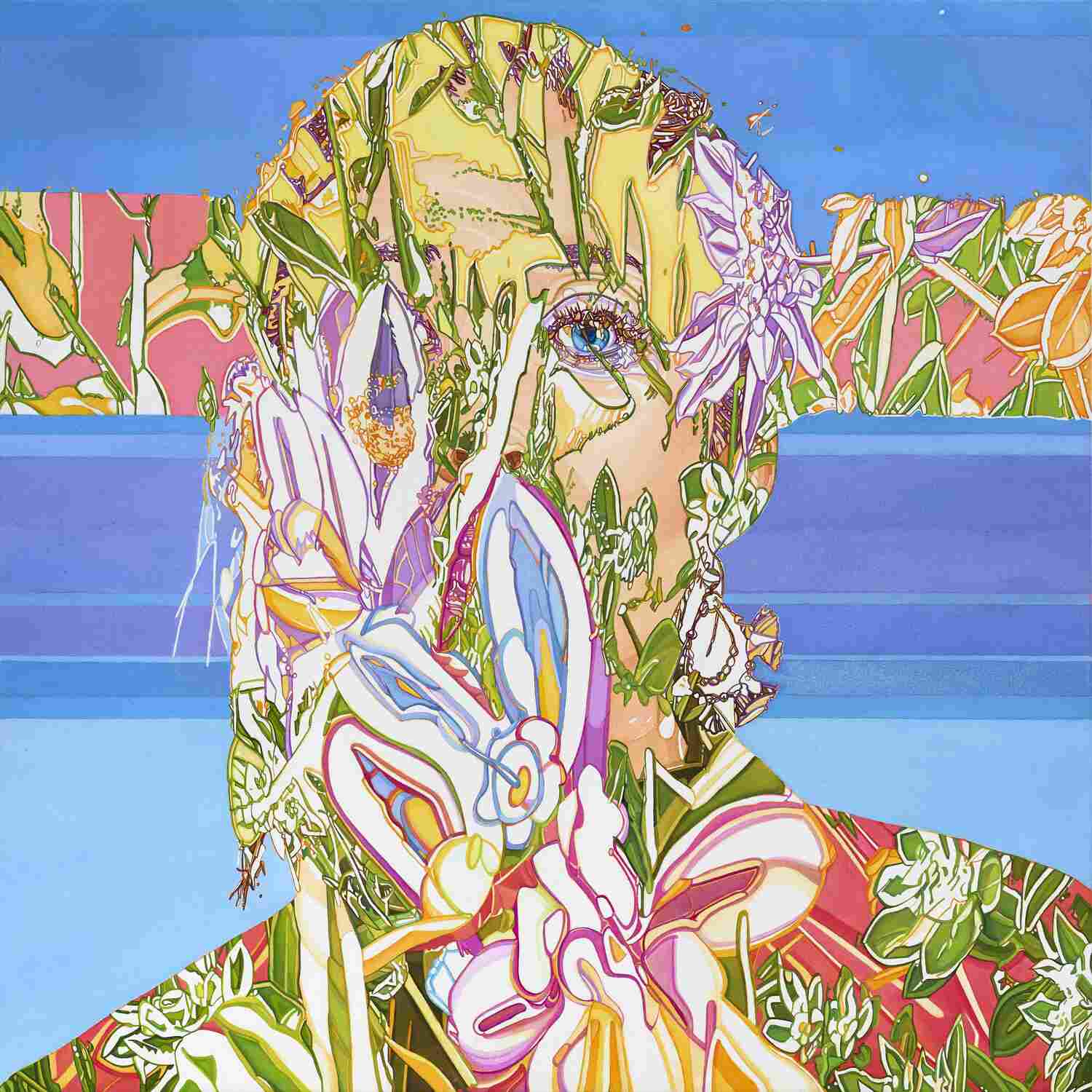
In “Aria #2”, the portrait is of a female figure wrapped in flowers and foliage. Although she faces the viewer, her gaze is hidden by a large, pink trumpet flower that extends from an unknown space outside of her and wraps around her head in a protective yet celebratory fashion. She is formally dressed, and an earring dangles from one ear while a cap tightly covers her head. She is timeless – she could be a model for a contemporary fashion advertisement or a depiction of an ancient goddess welcoming rebirth.
What does your creative process look like? Do you have a routine you like to follow?
I used to work with models, and I would spend hours sketching them in the studio and then use those sketches to create my paintings. But for the last few years, I have instead done photoshoots with them to get a variety of reference photos. Besides taking photos of models, I also take many photos of plants, trees, and other natural forms. I use these in combination with those of the model when sketching out possible compositions for paintings.
My process when considering a new painting is to look through my prints of figures and closeup nature photos. I spread them out on the studio floor, study them from various angles, and shuffle them about until something seems to resonate. It’s a physical, intuitive process. Then I roughly sketch the figure on paper and add different natural forms either on top of the figure or to the sides of the figure. The final step is to do a freehand sketch on canvas or a panel and begin applying an underpainting. I refer to the photos as guides. As I work, I make many changes, sometimes adding or deleting certain elements; changing colours; and adding calligraphic lines or fragments of shapes until I feel that a painting seems to click and feel finished.
My ideal daily routine is a studio day that begins with getting up at dawn and taking a long walk while still not fully awake. During this time, I don’t consciously think or plan anything, but it seems ideas come to me easily without my judging them. When I return to the studio, I write down in my ideas notebook anything that I can recall from the morning walk. Then I make coffee, have breakfast, feed the cat, greet my sweetie if he’s around, and start working. I just begin drawing or painting without thinking too much about it. At the end of the studio day, I’ll look at the notes I wrote earlier and then expand on those if I see there are ideas that seem appealing and can perhaps be useful for a future painting. Sometimes titles or future series occur to me then, and I’ll write those down, too. From time to time, I’ll look over these notes to guide me as I consider where a series might be going or what I might want to do in the future. This helps me avoid the anxiety of entering the studio and having a creative block about what to do next. These rituals provide a structure that allows me to have some order in my studio life while being creative and free in the expression of what I create. In the evenings, I like to see independent/art films or read. Many of my ideas come from films and literature.
Your painting style is so unique and the words “analogue glitch” spring to my mind upon viewing your work. Can you tell me a bit about how your art style has evolved over the years?
Thank you. When I started as an artist, my work was very realistic. The women in my paintings were friends, and I portrayed them in their environments in a fairly straightforward manner. At some point I wanted to experiment and started introducing distortion to the realistic images to create tension or to create a sense of mystery. I eventually started playing with superimposing organic images or abstract shapes over the representational images of the figure. Sometimes I added patterns, such as stripes, dots, and calligraphic lines. You mentioned that “analogue glitch” springs to mind when viewing my paintings. I don’t actually use analogue glitches in my work, but I certainly admire the work of many artists who make incredible use of that kind of process. My practice comes from years of sketching out ideas and then writing down notes for concepts, colours, and implied narratives. Then I dream, stretch my imagination, and focus on a great deal of playful exploration and experimentation using a pencil or paint brush. Of course, one work leads to the next. They’re not created in isolation. It’s never boring, and I love being surprised by how my mind wanders off to some place I could never have planned with the analytical part of my brain.
What do you hope viewers can take away with them after viewing both your personal contributions to the exhibition and ‘Iconic’ in its entirety?
I hope viewers who visit ‘Iconic’ will leave the show with a sense of wonder, as if they had just had a brief but eventful trip to another place removed from their usual concerns and routines. I hope they gain a new appreciation for the diverse ways contemporary artists can express themselves using only traditional mediums and brush strokes. And I imagine that careful and attentive looking will expand their ideas on the various meanings of “iconic.” The curators, David Hummer and Didi Menendez, chose artists who interpret the concept of iconic in varied ways. Each artist demonstrates what is iconic to them personally, whether it is a famous cultural or historic figure, or something else that can be regarded as a representative symbol, archetype, or an enduring classic. As the curators state, the simple act of an artist using nothing more than a brush to apply paint to a surface is in itself iconic. It is a unique, human attempt to communicate, connect, and open up new ways of seeing and experiencing the world.
What is one piece of advice you would give to your fellow creatives who are maybe struggling to pick up a paint brush right now?
Just begin. Paint anything at all without judgment. The act of creation, which connects us to those before us who faced difficult times and who still felt the drive to express and communicate in this way is very powerful. I see it as a way to continue sharing our individual and collective dreams, transforming destructive emotions, building resilience, and encouraging empathy.