Exclusive Interview with Senescence, 2nd Prize Winner of the Victoria Olt Gallery Drawing Award, 2025 Beautiful Bizarre Art Prize
In the haunting, meticulously rendered worlds of Senescence, the body becomes both archive and apparition – a site where memory, trauma, and transformation coexist in uneasy harmony. His drawings, at once hyper-precise and dreamlike, peel back the human form to reveal not only bone and sinew, but the emotional and psychological landscapes that shape us. He is an artist and a scientist, navigating with rare clarity the liminal space between anatomy and feeling, between clinical observation and deeply personal experience.
This year, his profound exploration earned him 2nd Place in the Victoria Olt Gallery Drawing Award, part of the Beautiful Bizarre Art Prize 2025 – a powerful affirmation of his voice and vision. At the heart of his work lies a commitment to giving agency to children and young people, many of whom have been marginalised, silenced, or harmed. Through his art, Senescence advocates for their empowerment, reclaiming narratives that are too often shaped by trauma, while elevating the resilience and dignity that persist beneath.
His striking portraits of liminal bodies – suspended between fragility and strength, decay and regeneration – are more than visual studies in anatomy. They carry the weight of lived experience, and the hope for healing. In conversation, Senescence speaks with the same unflinching sensitivity that defines his work, weaving together philosophy, psychology, and a deep belief in the transformative power of art as a force for social change.
Exclusive interview with Senescence
How would you introduce yourself to our readers?
I am both an artist and a scientist, guided by curiosity and a continual pursuit of growth. My practice is driven by ideas that seek to challenge, provoke thought, and hopefully inspire meaningful reflection. I am also deeply committed to using my work as a platform to advocate for children’s rights and to raise awareness of the profound and ongoing impact of child abuse; an issue that demands both visibility and change.
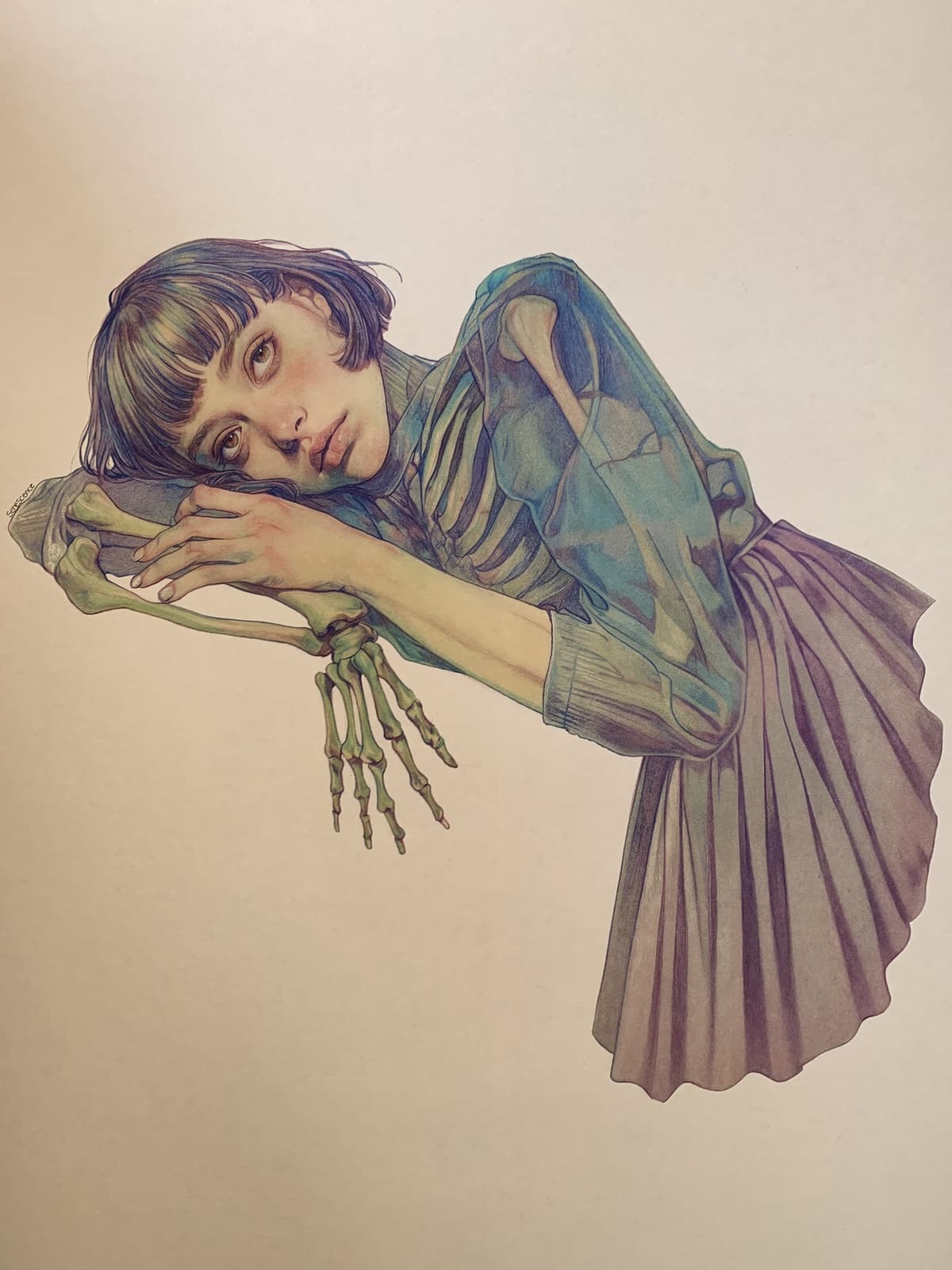
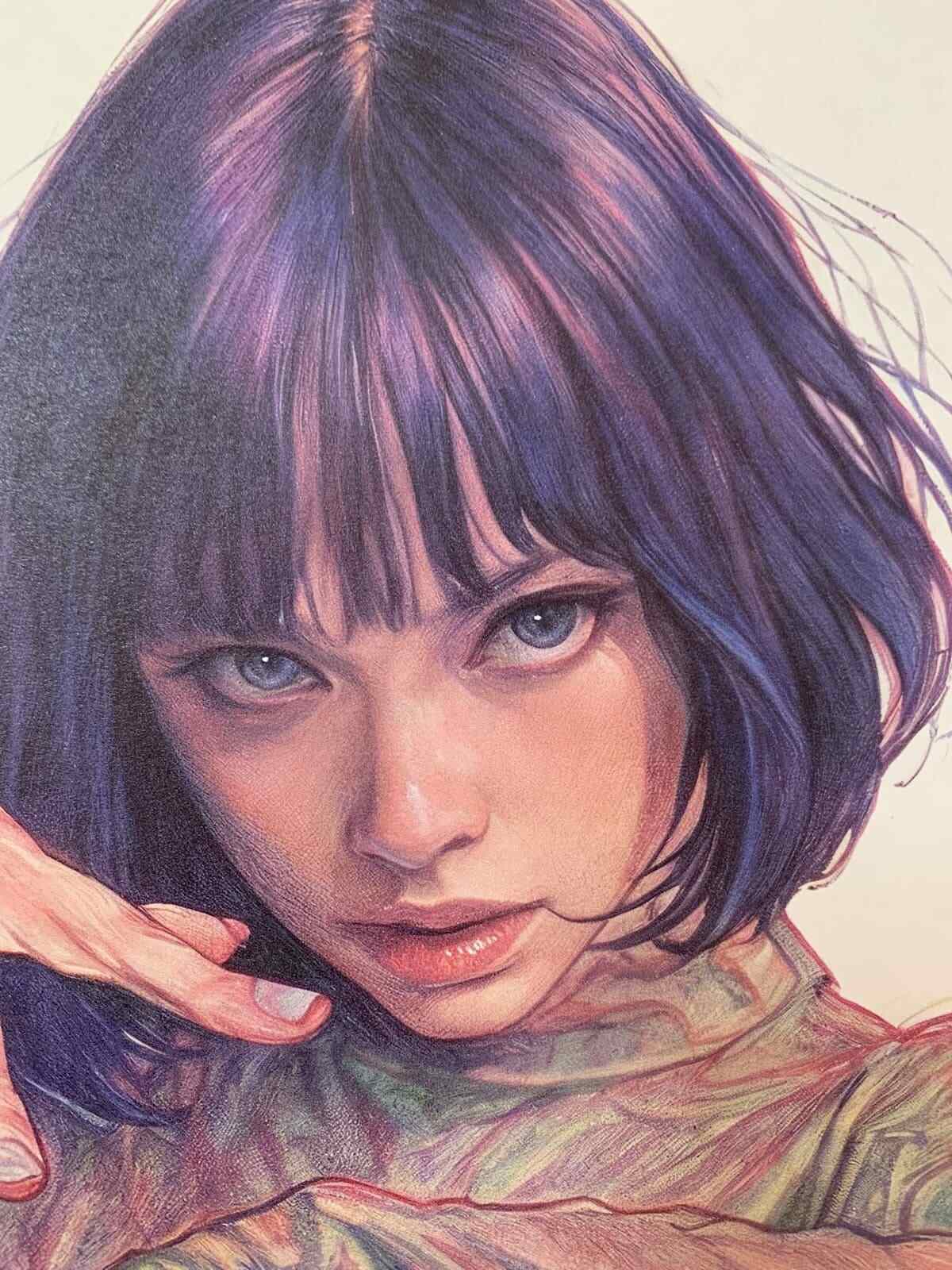
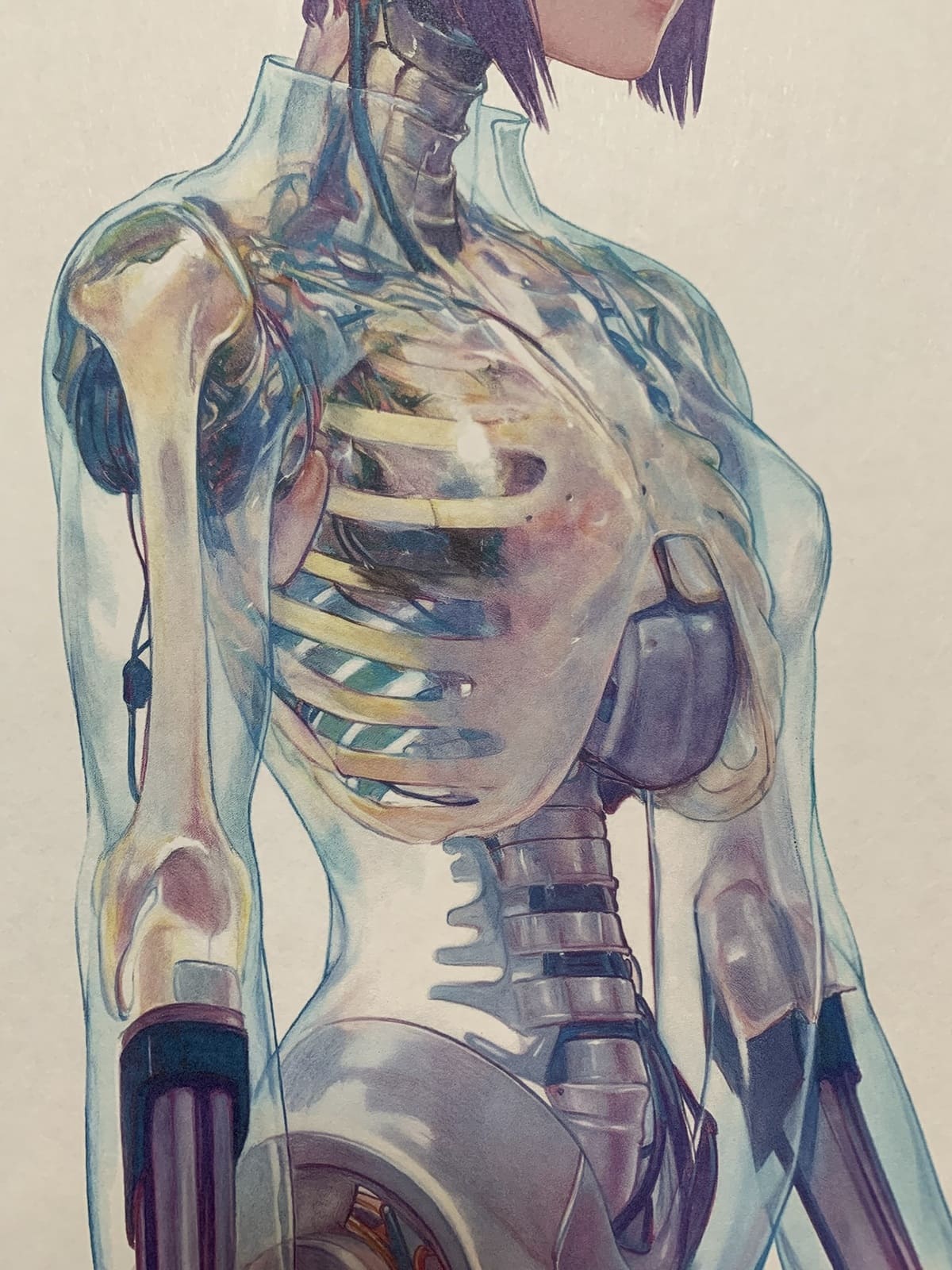
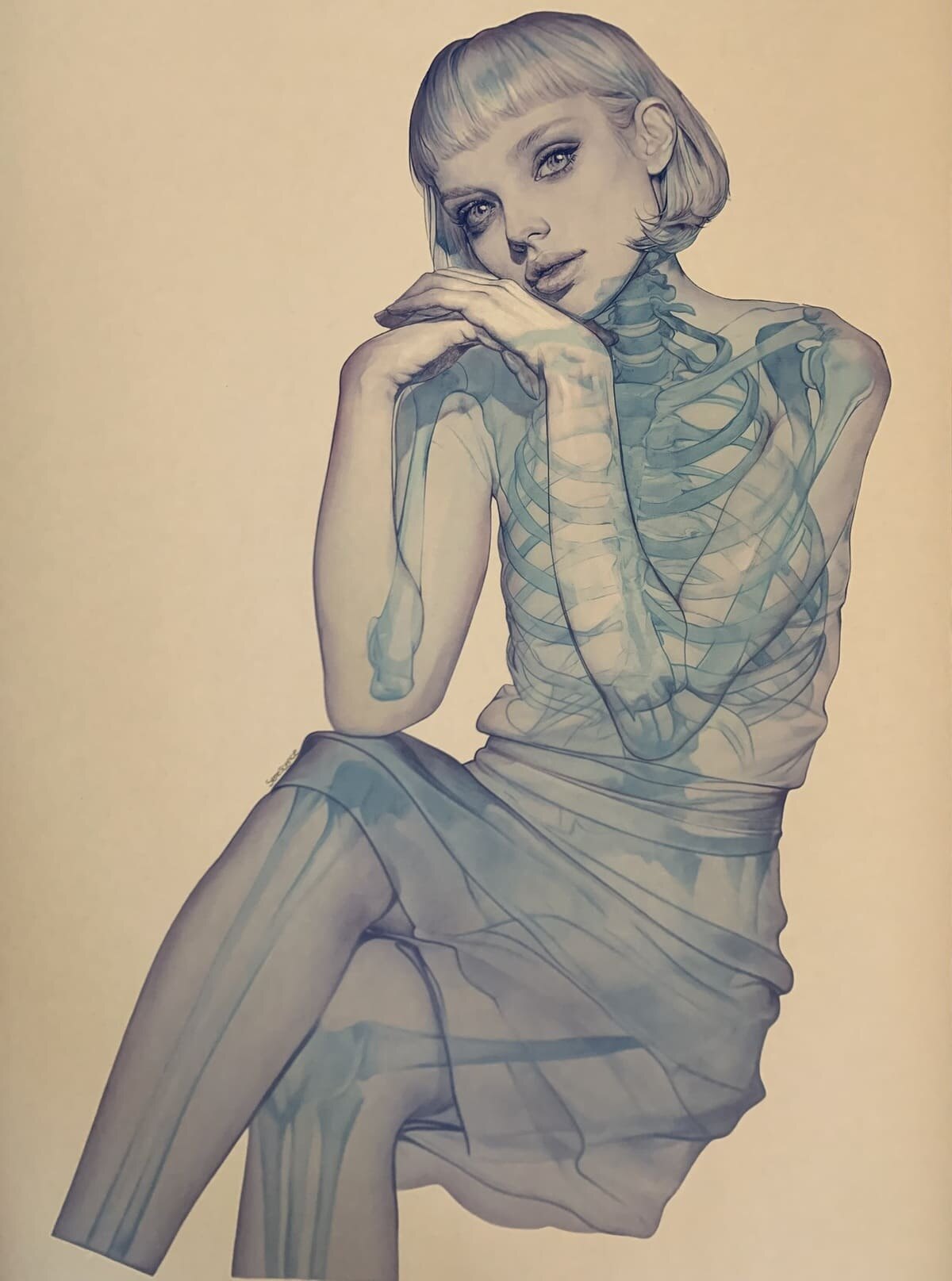
In “Numb I”, you explore the disconnect between emotional and physical states – how did this theme first manifest for you, and in what ways did you push it beyond metaphor into form and composition?
Throughout my life, I have often observed a distinct separation between my experiences and inner thoughts. My long-standing interest in human psychology and philosophy, particularly Stoic and Buddhist ideologies, has shaped in part how I interpret this division. In hindsight, I believe my early life experiences, when viewed through these philosophical frameworks, contribute to a schism between the body and the mind.
As a survivor of abuse, it was not until later in my life, through studies in psychology and subsequently medicine, that I began to understand the cognitive mechanisms underlying dissociation. My focused anatomical studies furthered this insight, revealing striking parallels between the adaptive nature of the human mind and the mutable, sometimes chaotic, structure of the human body. Both, I found, can reshape themselves in response to: experience, balancing clarity and distortion, as well as resilience and vulnerability.
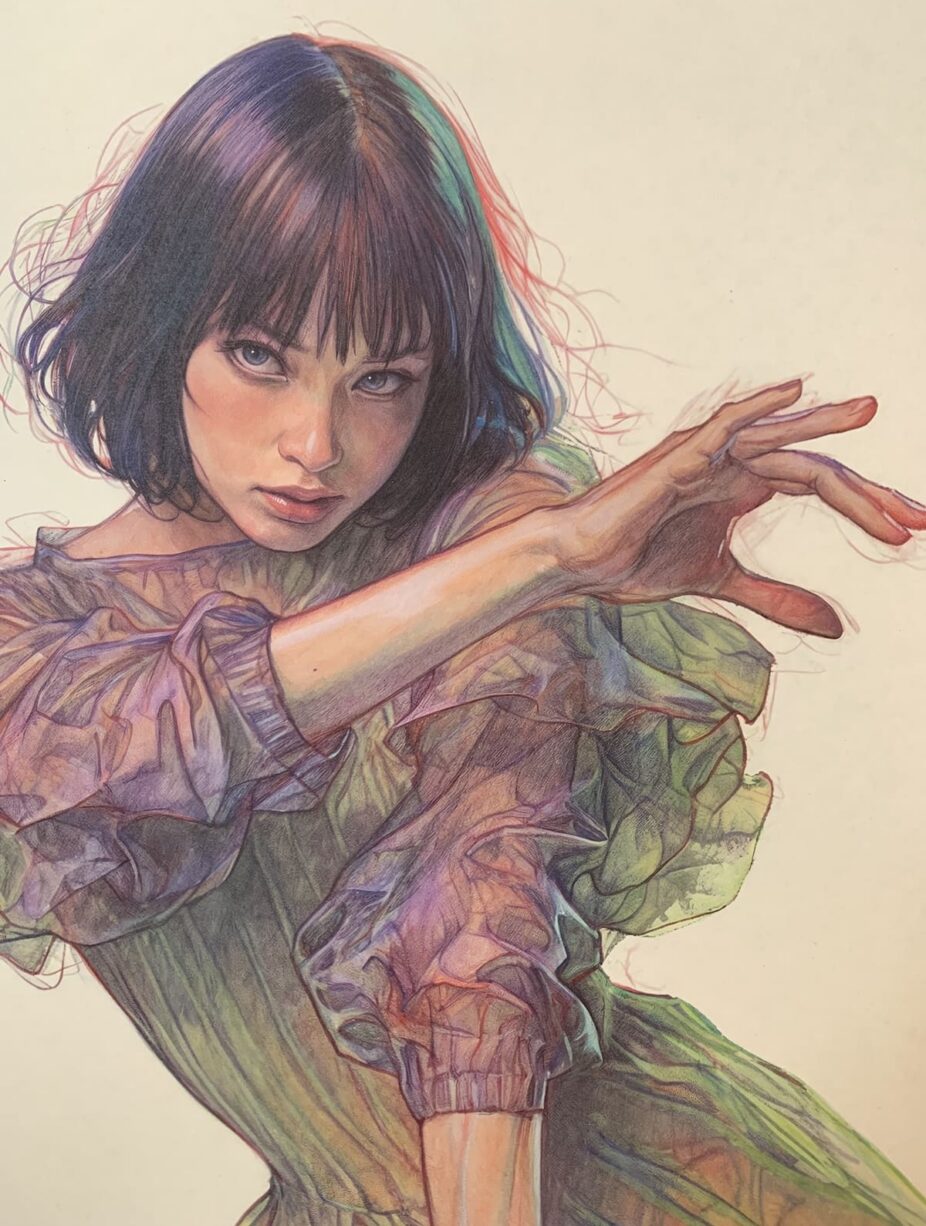
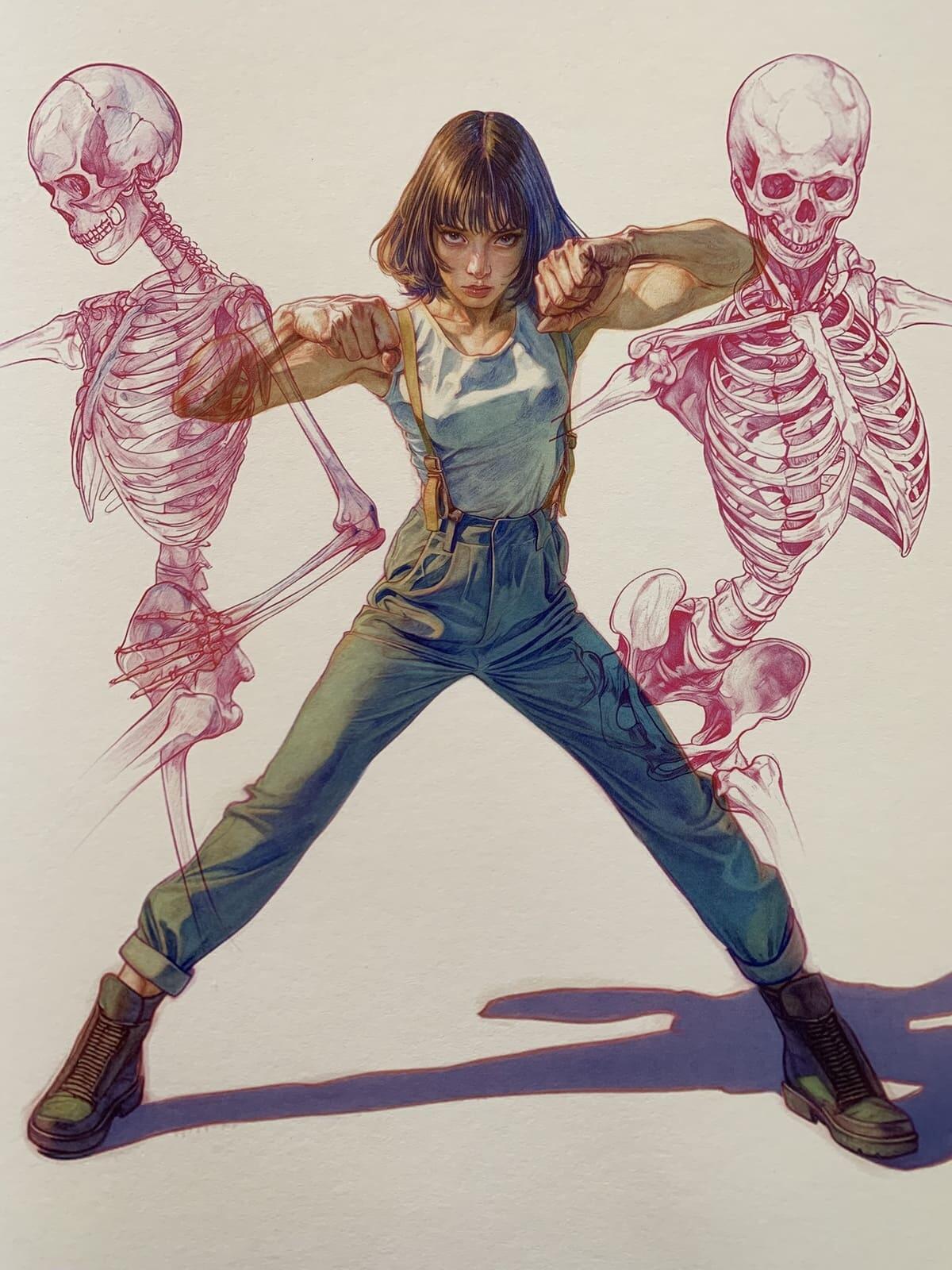
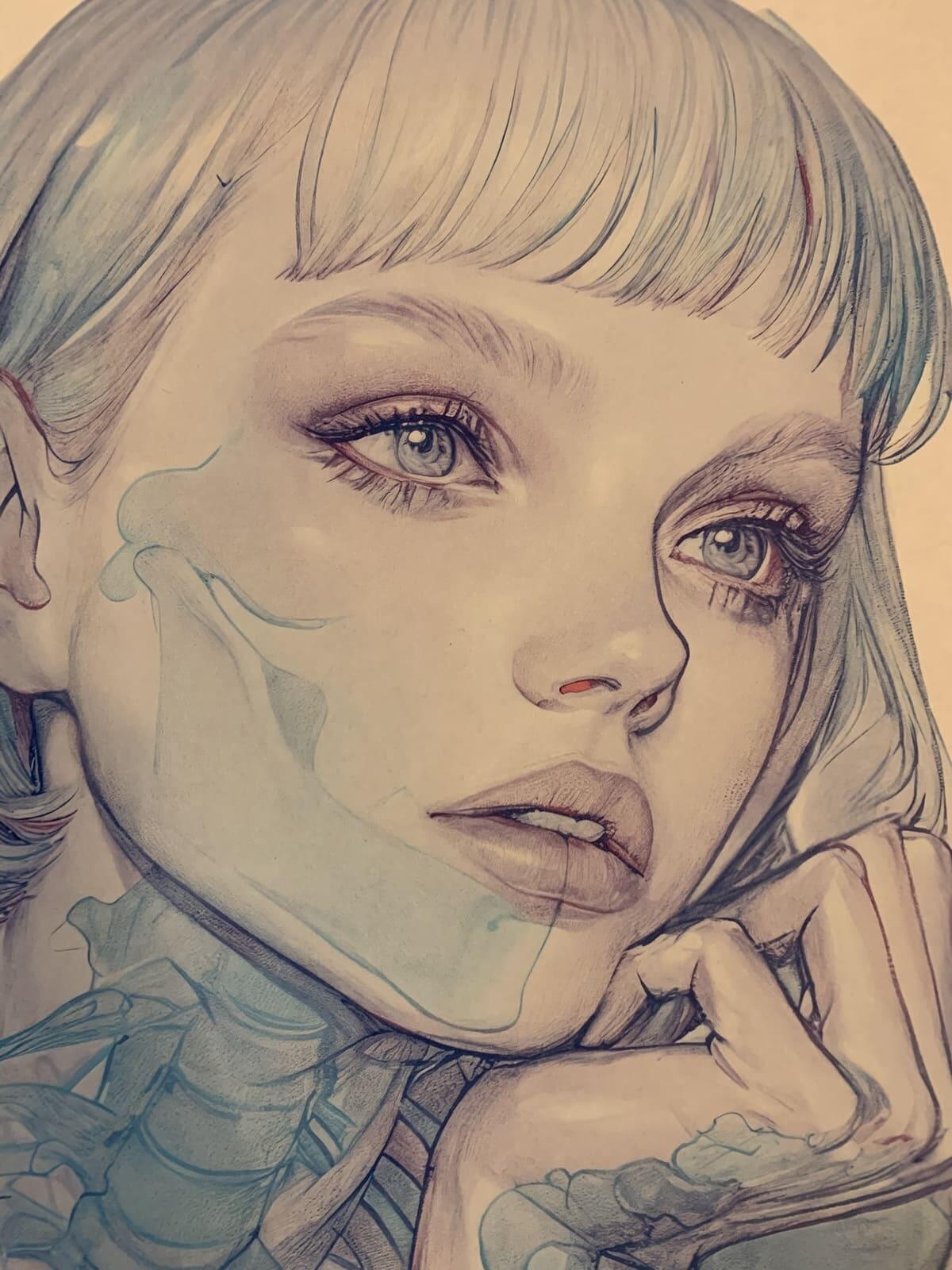
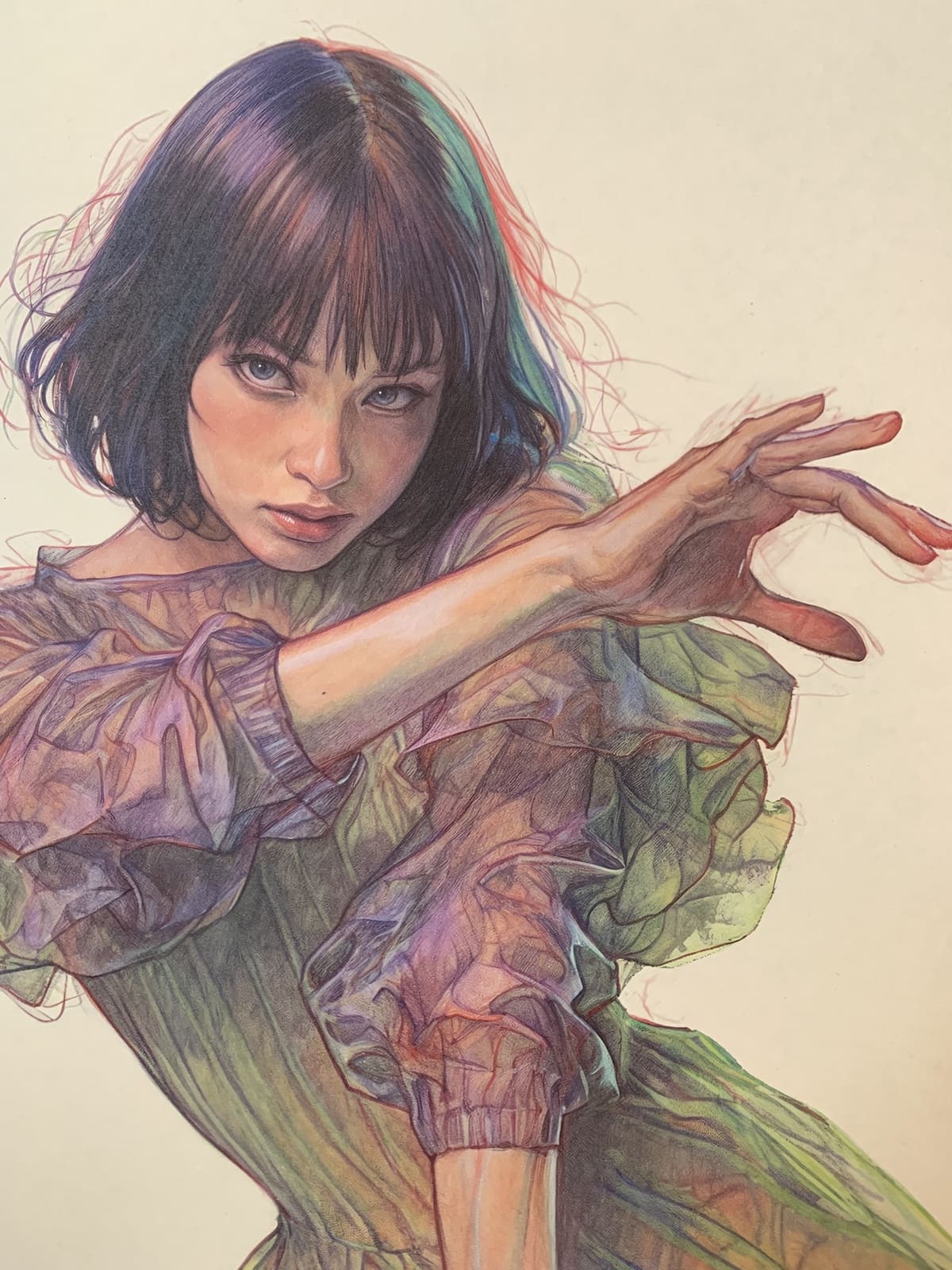
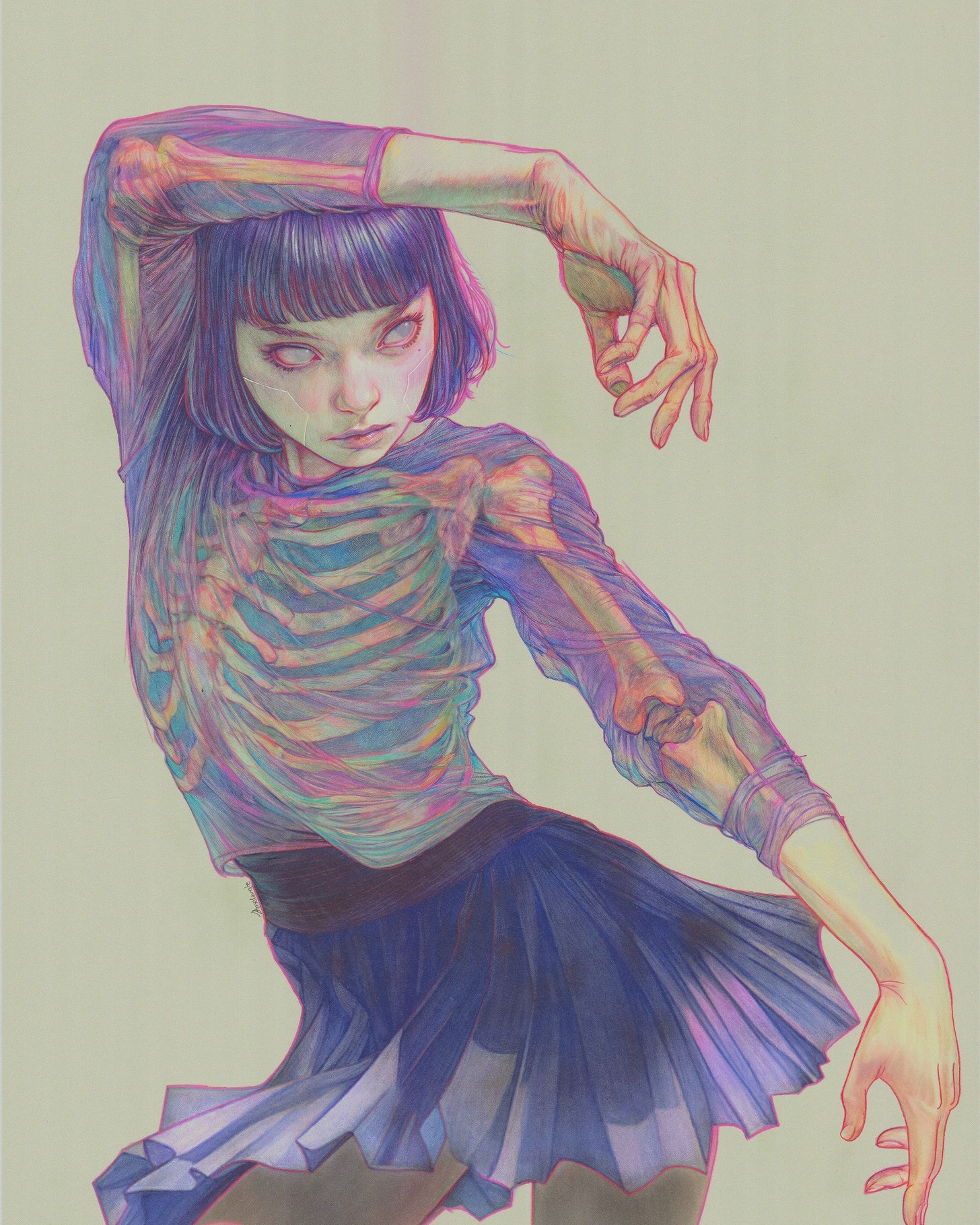
My works “Numb I” and “Numb II” were visual explorations of this concept, how survivors of trauma often contort and reconstruct both mind and body to endure and make sense of their experiences. These pieces translate that psychological adaptation into a physical metaphor; an anatomy of survival, reshaped and reborn by what it has lived and what is lost.
Medium & Dimensions:
Coloured Pencil, Copic Marker, Multiliner, Ink on cotton stock paper, 84 x 59 cm
What internal or overlooked sources of inspiration do you find yourself returning to, given your journey?
I draw inspiration from many facets of life, so many in fact, that I often need to step back from the world to distil my ideas into something tangible. My creativity is continually fuelled by my own experiences in conjunction with the works of artists, writers, and researchers alike, spanning disciplines from science to the visual arts. Ultimately, it is only the constraints of time and the realities of poor health that ever limit my capacity to create.
Can you walk us through a typical day or week in your studio: what does your creative routine look like, from concept through to the finished drawing?
My journey as an artist has been anything but linear, and my creative process tends to mirror that sense of unpredictability. Managing my health often imposes limitations, affecting everything from parenting a young child to maintaining a consistent art practice. Illness can disrupt even the most carefully made plans.
When I can work, I begin by sketching loose concepts on smaller sheets before moving on to larger-scale line work. Because extended sessions are rarely possible, most pieces evolve gradually over several weeks or months. Once the line work is complete, I usually build the composition with markers or ink to establish broader areas of colour, layering coloured pencil afterwards to refine detail and texture.
I typically have a clear mental image of the final piece from the outset, though translating that vision into a finished work is always a technical challenge. Ideas are never in short supply; only time. Recently, I have found myself reflecting on my visual language and considering new directions to explore.
“I believe that many young survivors of abuse experience a kind of death of childhood, a rupture that forces a rebirth or reimagining of identity. Whether this becomes a source of strength or decay depends on countless factors, but it is within that tension, between death, rebirth, and self-reconstruction, that much of my creative exploration resides.”
You’ve spoken about the influence of anatomy and psychology. If your drawings could function as diagnostic tools, what emotional or existential “conditions” might they reveal in contemporary life?
From a social psychology standpoint, I believe the modern world, dominated by short attention spans, synthetic media cycles, and extreme portrayals of body image, has cultivated a chaotic, accelerated, and often misinformed way of living. While I maintain the view that education and access to accurate information are important for navigating life, I also recognise that not every variable in life can be anticipated or controlled.
Having dedicated much of my life to study and professional development, only to face health challenges that prevent me from continuing in my former career, I have been confronted with my own existential questions. In many ways, these uncertainties mirror those faced by a generation navigating a world where traditional notions of stability and security have become increasingly elusive.
Knowledge empowers individuals to make more informed decisions and fosters the kind of critical thinking that is vital for both personal and collective well-being. Yet, when society is structured so that most people are running in place, balancing survival with constant exposure to dopamine-driven distractions, it inevitably distorts our sense of self. Without time or space for genuine reflection, we risk losing the capacity to form independent thought and meaningful identity in an increasingly synthetic world.
If anything, I think my work is somewhat analogous to the nature of a society that celebrates visual and superficial success over the top of often decaying realities.
How intentional is your colour psychology, and what emotional language do these hues speak for you?
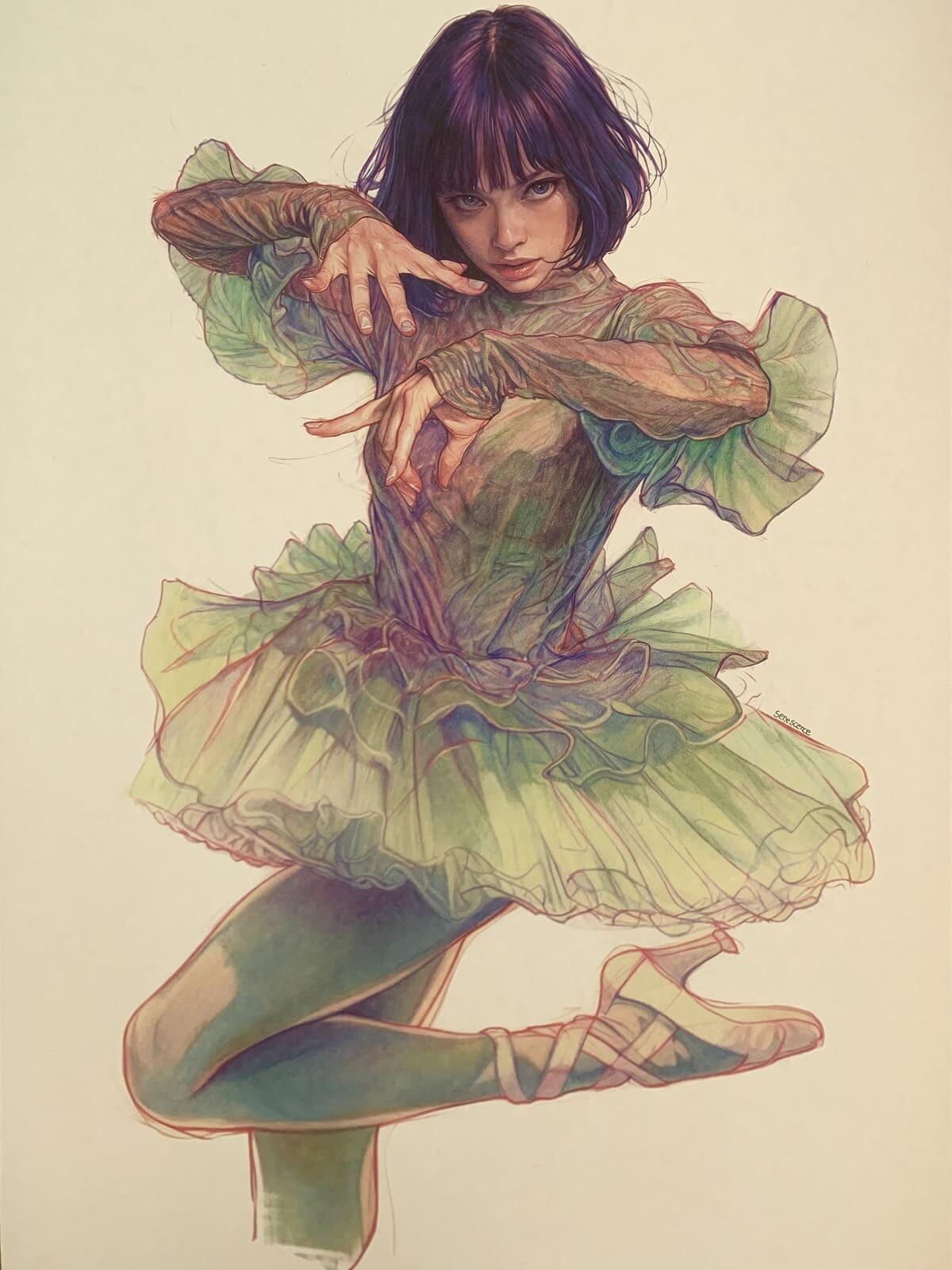
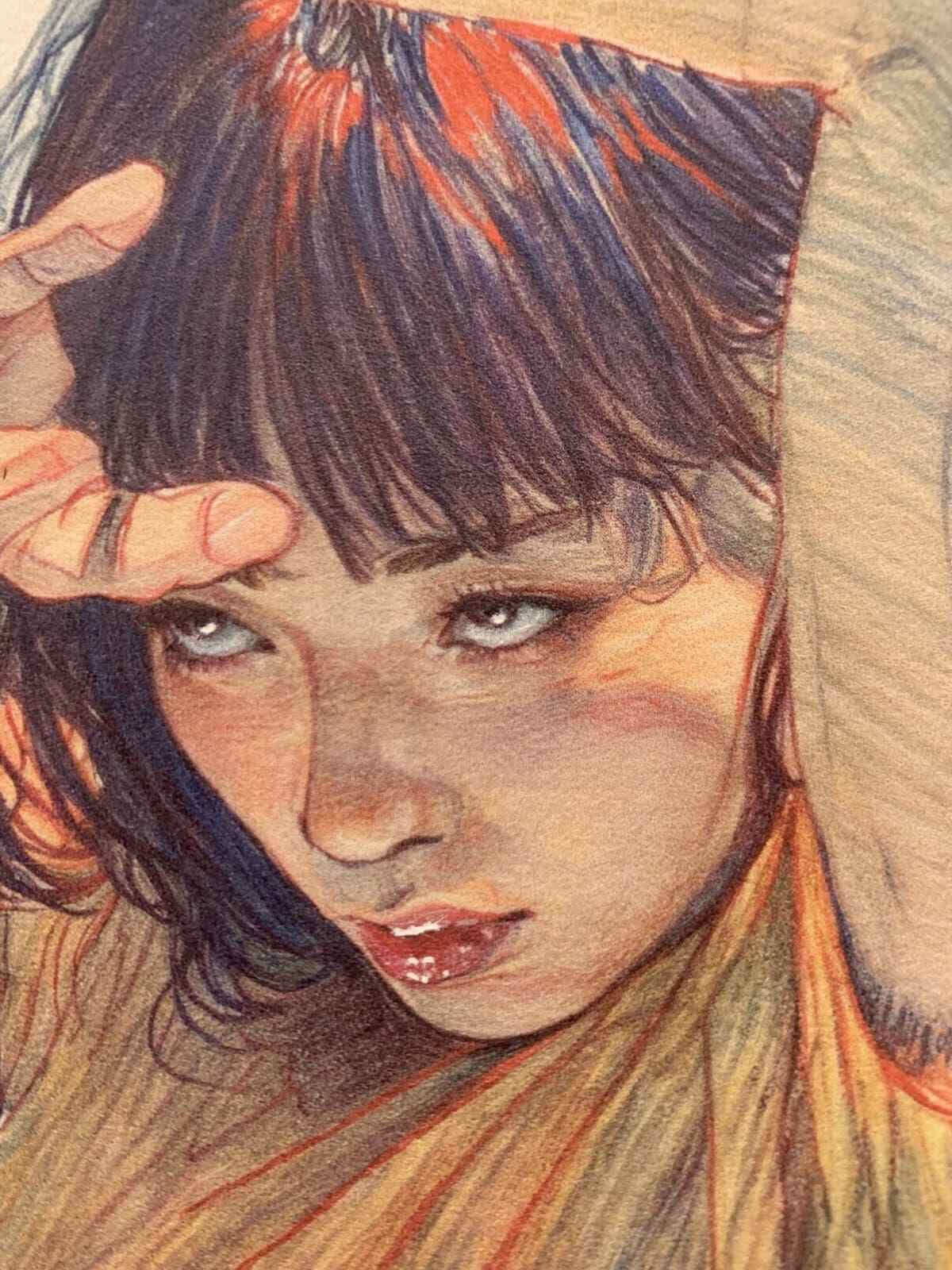
Colour, to me, is a profound catalyst for emotion and, by extension, thought. My palettes are guided less by theory and more by intuition, by the feeling that anchors an idea. I am particularly drawn to the dissonance that emerges from unconventional or contrasting colour combinations, as I believe this tension reflects many of the broader themes I explore in my visual work.
From an early age, I was deeply influenced by H. P. Lovecraft’s The Colour Out of Space, in which an unearthly hue transforms both the landscape and its inhabitants. That story encapsulated my fascination with how light and colour can distort perception – reshaping the familiar into something uncanny, where beauty and unease coexist. It continues to inform my exploration of how colour can alter emotional and psychological reality, blurring the boundary between what is seen and what is felt.
Much of your imagery exists in a liminal space—bodies that are neither alive nor dead, human nor object. What draws you to that threshold, and what do you find there artistically or philosophically?
As an artist driven by ideas, I find that my creative process is often shaped by multiple, overlapping threads of inspiration, which naturally emerge in my work. One recurring concept that informs my practice is senescence, the biological process of ageing at both the cellular and organismal levels. Scientifically, senescence reflects transformation over time; psychologically, I see strong parallels in how our experiences, memories, and emotions evolve and reshape us. These changes can mirror objective reality, yet are often deeply subjective, filtered through perception and personal history.
I believe that art, in any form, requires lived experience. It is through the passage of time and the transformation that occurs within it that creative insight takes shape. For those who have endured abuse or trauma, particularly at the hands of someone close, that process of transformation can be profound and complex. In my view, the act of processing such experiences can distort and reconstruct one’s sense of self, much like the cellular cycles of death and regeneration.
The motif of death recurs frequently in my work, not in a purely literal sense, but as a metaphor for loss and renewal. I believe that many young survivors of abuse experience a kind of death of childhood, a rupture that forces a rebirth or reimagining of identity. Whether this becomes a source of strength or decay depends on countless factors, but it is within that tension, between death, rebirth, and self-reconstruction, that much of my creative exploration resides.
If your drawings were part of a scientific archive discovered 200 years in the future, what do you imagine future archaeologists would conclude about our species from them?
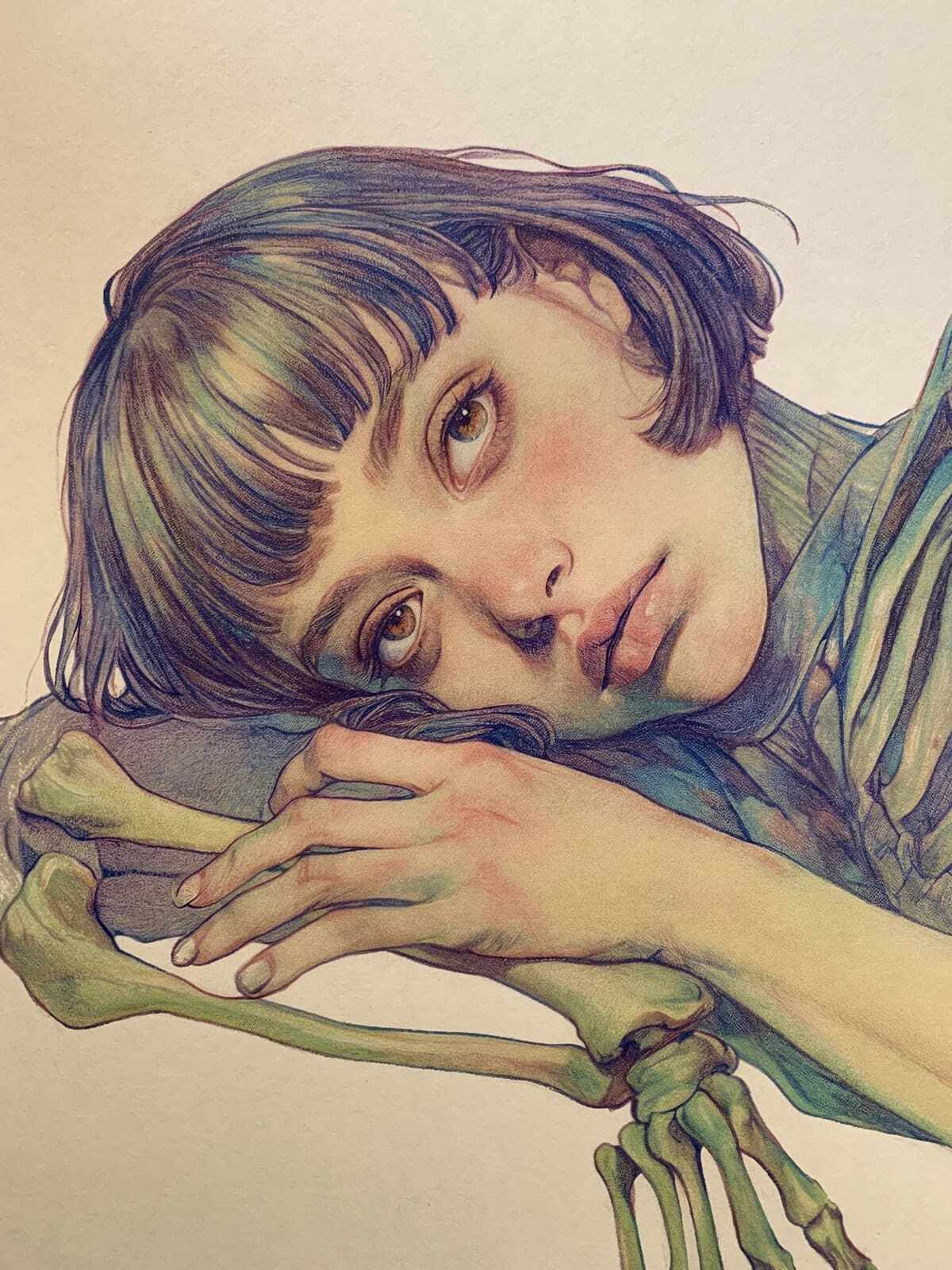
Having trained as a clinical anatomist, I am naturally critical of how I depict the human form, particularly when anatomical accuracy is in question. However, I aim for the interplay between precision and distortion in my work to serve a deeper purpose. A closer examination reveals that while some structures are anatomically correct, others are intentionally altered, reflecting the tension between scientific understanding and creative interpretation that underpins my process.
In the dissection of an unembalmed human body, one encounters both order and disorder in equal measure. Anatomy teaches us that form and function are intimately linked, yet the reality of biology is far less tidy. Beneath the skin lies a landscape shaped by individuality, imperfection, and organic chaos. Pathology, too, introduces another layer of variation, where structural and psychological deviations from the “norm” expose the fragility and adaptability of the human condition.
My artistic exploration of anatomy seeks to inhabit that liminal space between precision and abstraction, between what is clinically known and what is emotionally intuited.
How has your understanding of “beauty” shifted through your exploration of fragility, illness, and the impermanence of the body?
Beauty has always been a complex and multifaceted concept for me. Influenced again by Stoic philosophy, and shaped by my experiences throughout childhood and adolescence, I came to understand beauty as something that often manifests through kindness, empathy, and selflessness.
Visually, beauty can occupy a different space, one defined by proportion, balance, and order, where harmony often aligns with what is considered conventionally pleasing. Yet, I am equally drawn to forms of beauty that emerge from transformation and the synthesis of seemingly disparate ideas. These combinations can be unconventional, even unsettling, but they possess their own kind of truth and resonance.
There is also a quiet sense of peace in witnessing how negative space, whether emotional, psychological, or visual, can be reshaped into something unexpected and profoundly beautiful. For me, beauty often lies in that process of release and renewal; the transformation of experience into form, and the emergence of something new from what once felt broken or incomplete.
Why did you enter the Beautiful Bizarre Magazine Art Prize?
I have often found beauty in what others might consider uneasy, and in that sense, Beautiful Bizarre resonates deeply with my aesthetic sensibility. As an artist who has stepped away from and later returned to a rapidly evolving art world, I find great inspiration in what the Beautiful Bizarre community offers, an inclusive space where both emerging and established artists can explore the unconventional.
Social media has profoundly reshaped the landscape of art, saturating our visual world with extraordinary talent and relentless imagery. In such an environment, it feels natural to seek out communities that share a similar visual and thematic language; places where meaning and authenticity can coexist amid the noise.
Much of my work explores sensitive themes surrounding the protection of children from abuse, subjects that can be confronting or uncomfortable for some viewers. For this reason, finding the right audience and context for my work is essential, allowing difficult truths to be engaged with thoughtfully and with the depth they deserve.
“My artistic exploration of anatomy seeks to inhabit that liminal space between precision and abstraction, between what is clinically known and what is emotionally intuited.”
What do you feel you have gained from this experience?
My experience with Beautiful Bizarre has been deeply enriching. It has connected me with a dynamic and ever-growing community of exceptionally talented artists whose work continually inspires me to refine and expand my own practice. Through this engagement, I have also been reintroduced to the contemporary art world and its evolving definitions, aesthetics, and conversations. The feedback and diverse perspectives I have received on my recent works have been invaluable, offering both insight and criticism.
Would you recommend it and encourage others to enter? If so, why?
Unequivocally yes. Entering an art competition of this nature can encourage you to explore techniques and mediums that you have either yet to trial or improve upon the ones you already know. It pushes you to be better, and at the same time put your best foot forward. The competition also promotes you to step outside of your comfort zone, given the incredible array of immensely skilled artists who showcase their work each year.
What are you working on now?
At present, I am reflecting a lot on my aesthetic choices and what this means for my work going forward. There is my vision and that of the audience and like many paths in life the way forward is not always clear.