Kym Lee Beautiful Bizarre Artist Directory member provides some fascinating insights into her practice and experience a surreal artist, as she responds to the questions below:
- How do you approach the challenge of staying motivated and inspired in your art practice, and what strategies do you use to keep your creativity flowing?
- Can you talk about the role of storytelling and narrative in your work?
- What do you consider to be the most rewarding aspects of your work?
- What advice do you have for aspiring artists who are just starting out?
How do you approach the challenge of staying motivated and inspired in your art practice, and what strategies do you use to keep your creativity flowing?
I don’t think I’m always motivated, and I’ve learnt not to expect that from myself. Creativity comes in waves, and I try to work with that rather than fight it. When I feel stuck, I usually step away a bit and just observe animals, people, quiet moments, even the feeling of a space. That’s often where ideas start again.
I’m also really drawn to research history, literature, and how stories carry over time. That tends to spark something new. Sometimes doing nothing that looks “productive” is actually part of the process. It gives ideas, space to form naturally rather than forcing them.
Can you talk about the role of storytelling and narrative in your work?
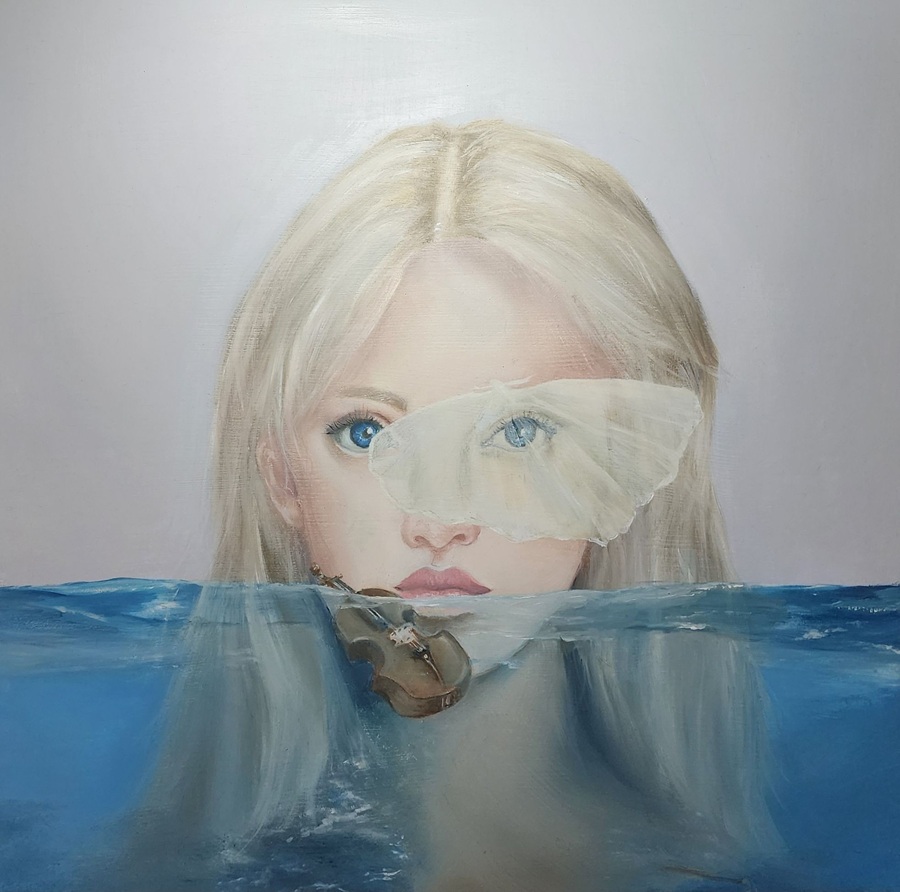
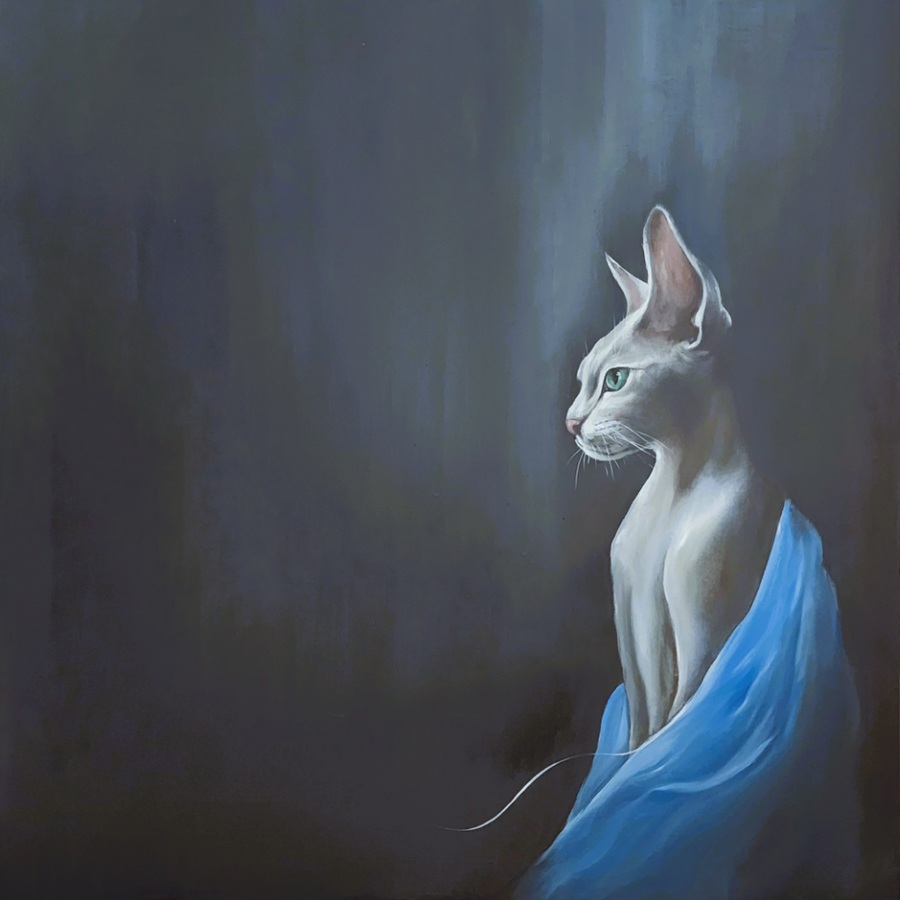
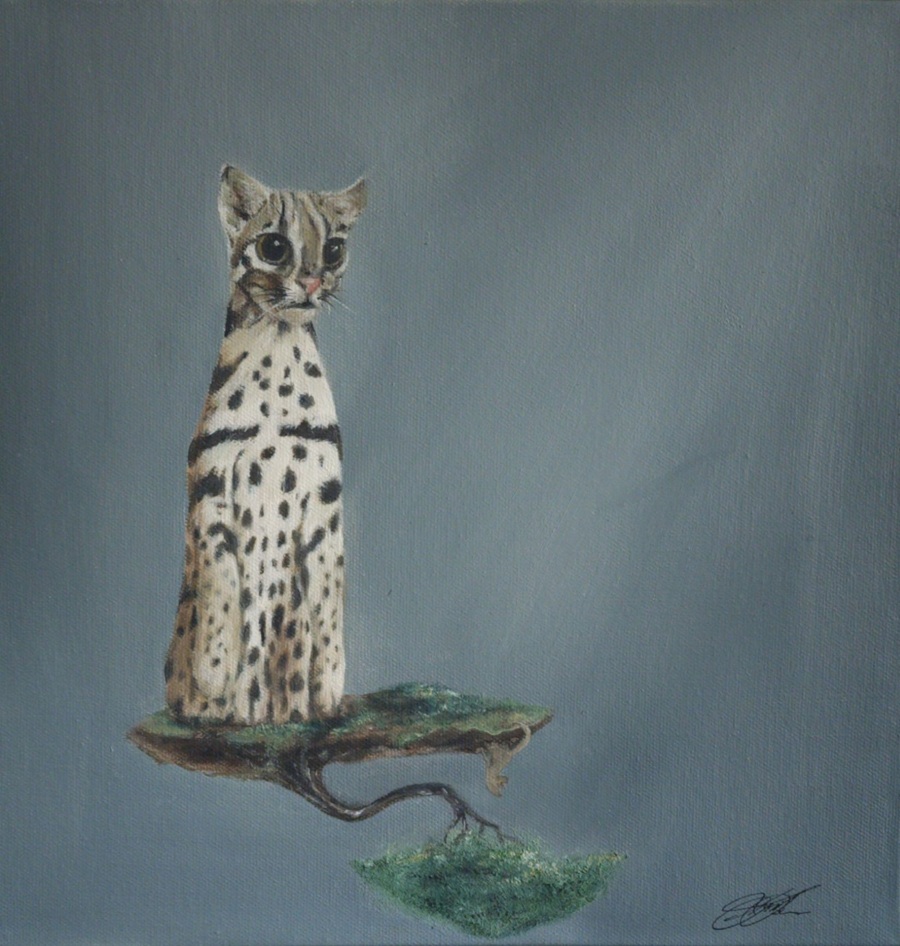
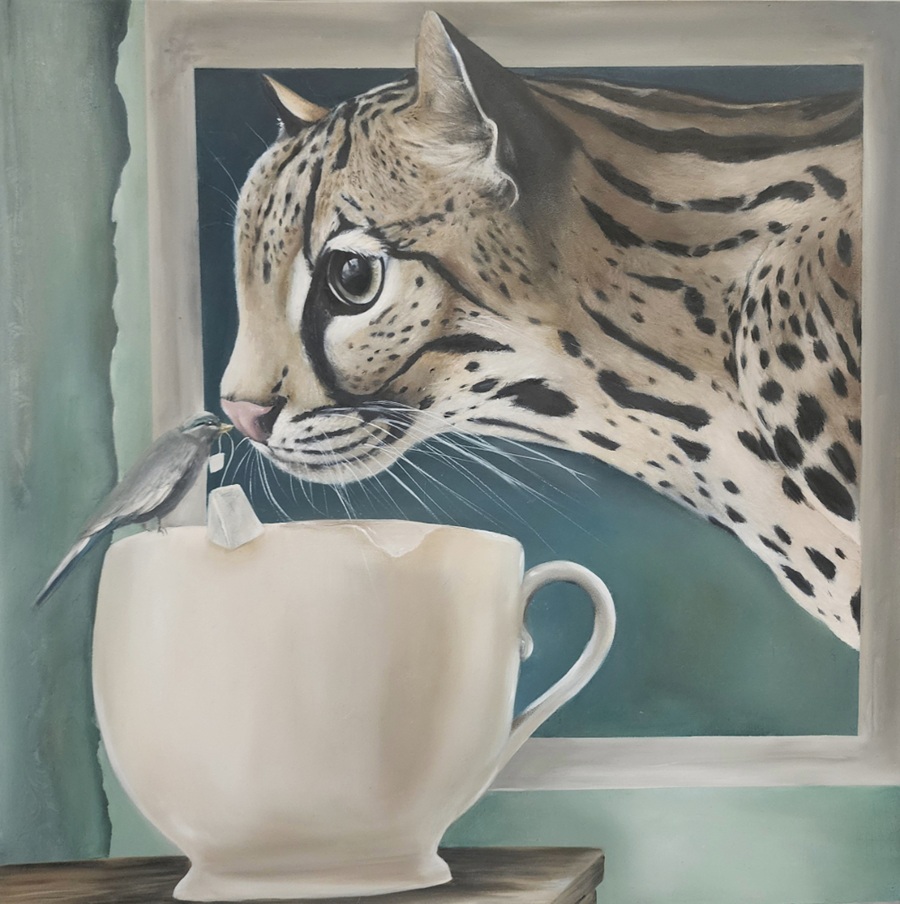
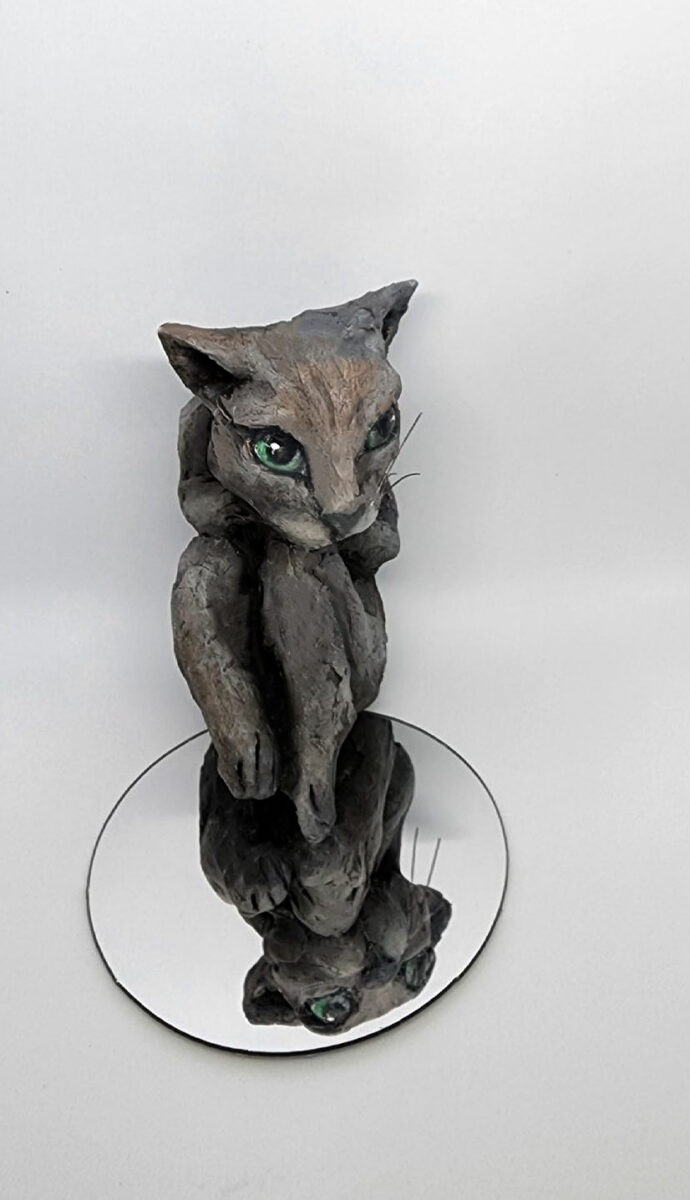
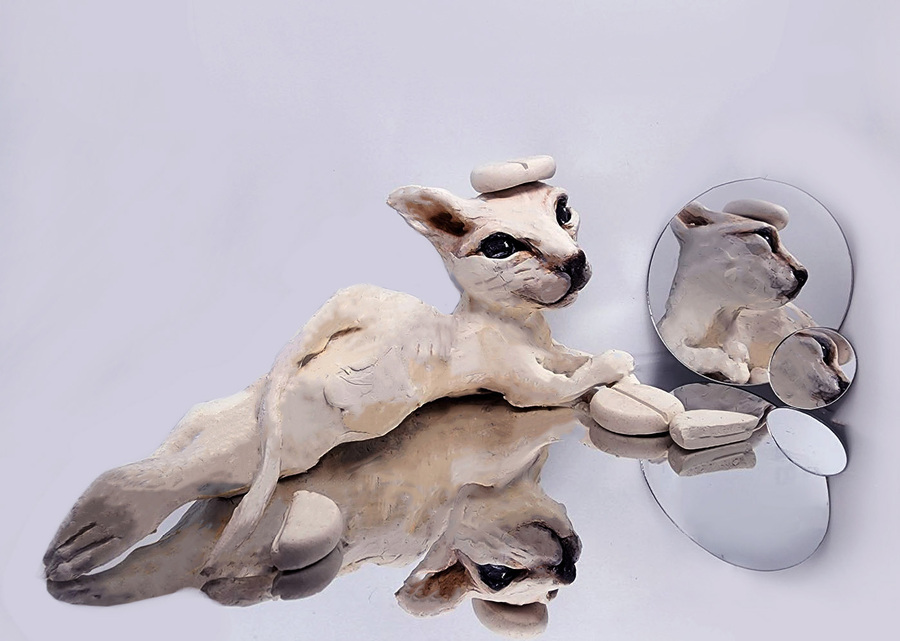
Storytelling is a big part of my work, but I don’t like to make it too obvious. I prefer to suggest something rather than explain it fully, so the viewer can bring their own meaning into it.
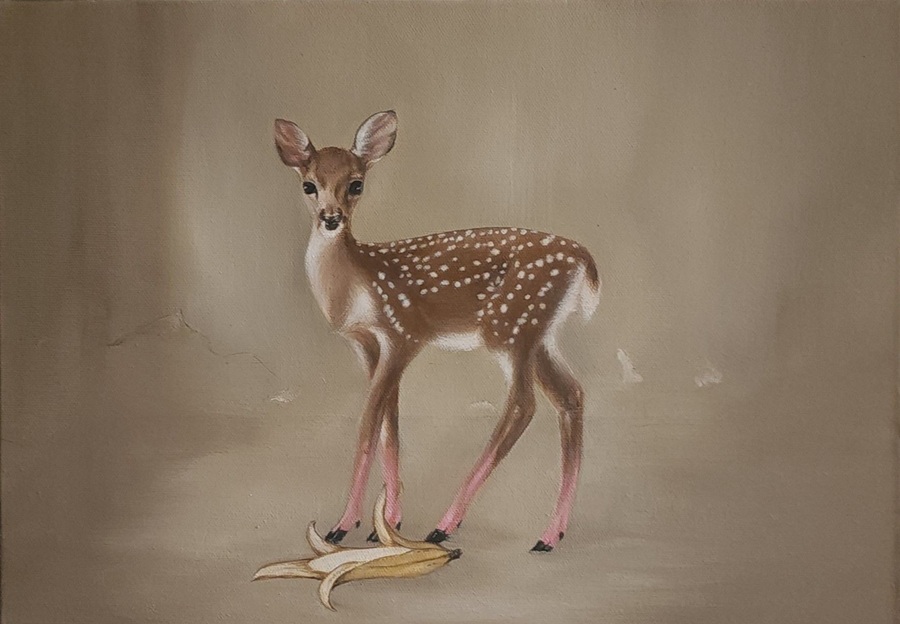
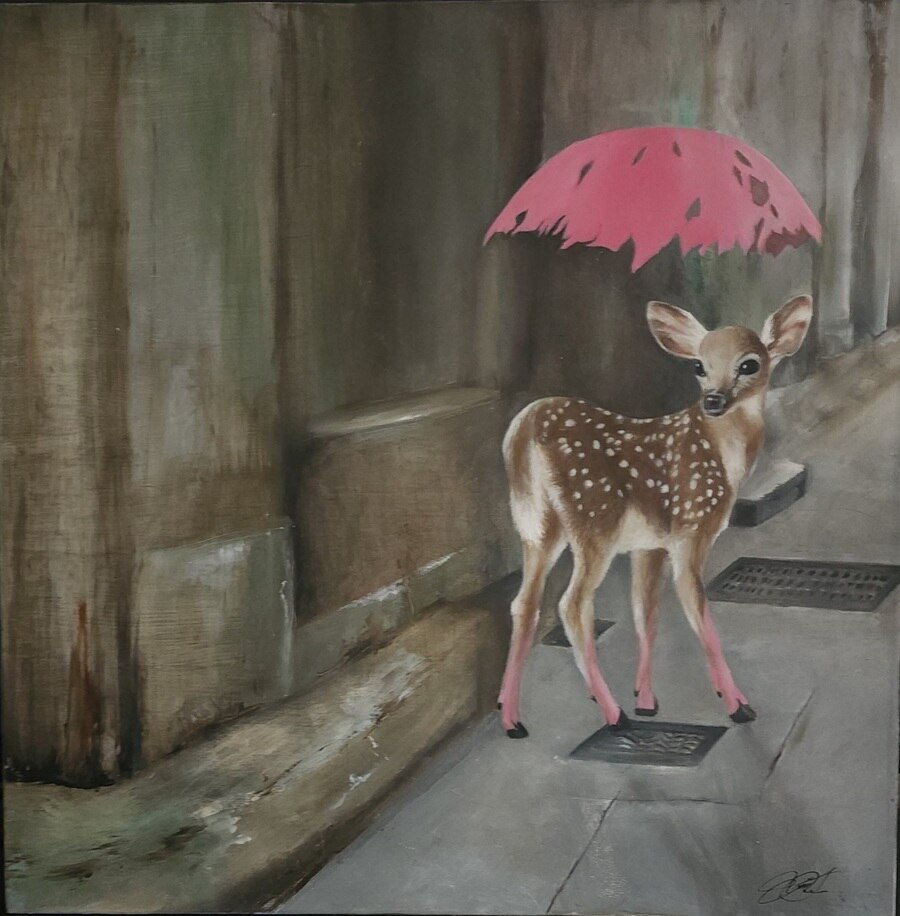
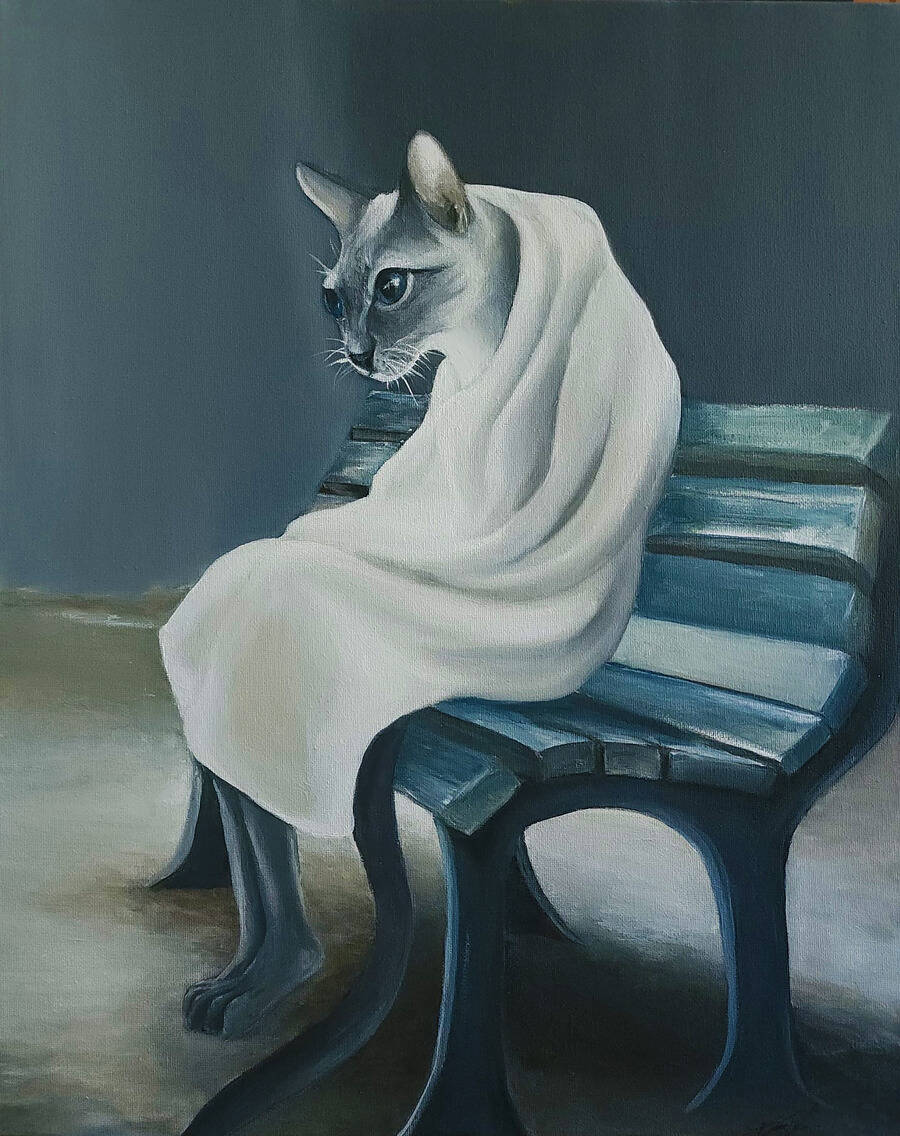
Using animals lets me explore human emotions in a slightly softer way. It creates a bit of distance, but also connection. A lot of my work feels like a small moment from a bigger story, like something has just happened, or is about to. I’m interested in that quiet in-between and unexpected space.
At the core of it, I think I’m trying to create a sense of empathy for animals, for people, and for the world we’re living in and shaping.
What do you consider to be the most rewarding aspects of your work?
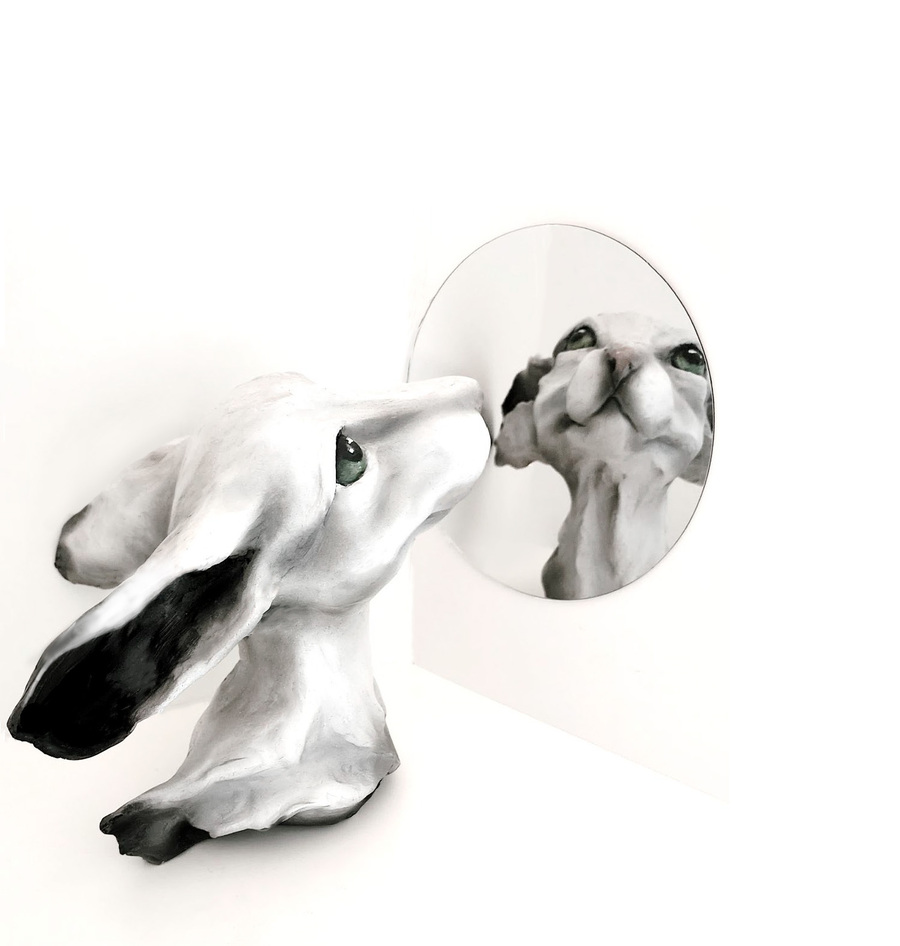
For me, it’s when someone connects with the work in their own way. When they feel something, even if they can’t fully explain it. That’s when it feels like my art work has done what it needed to do.
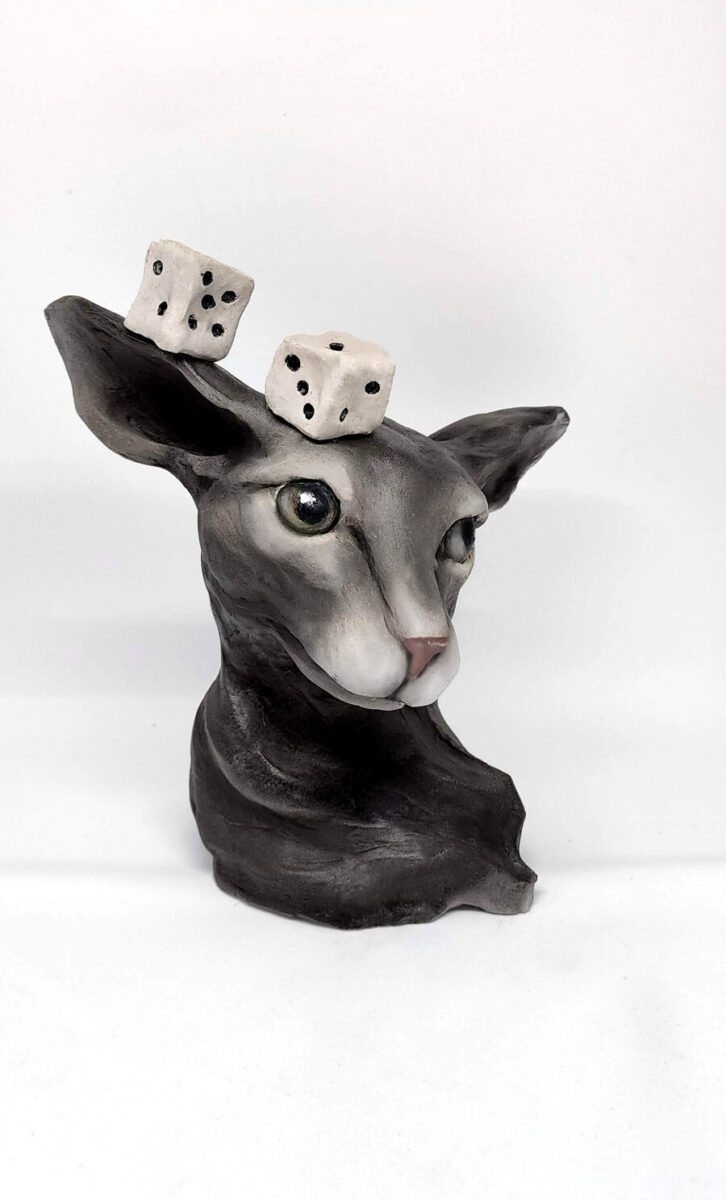
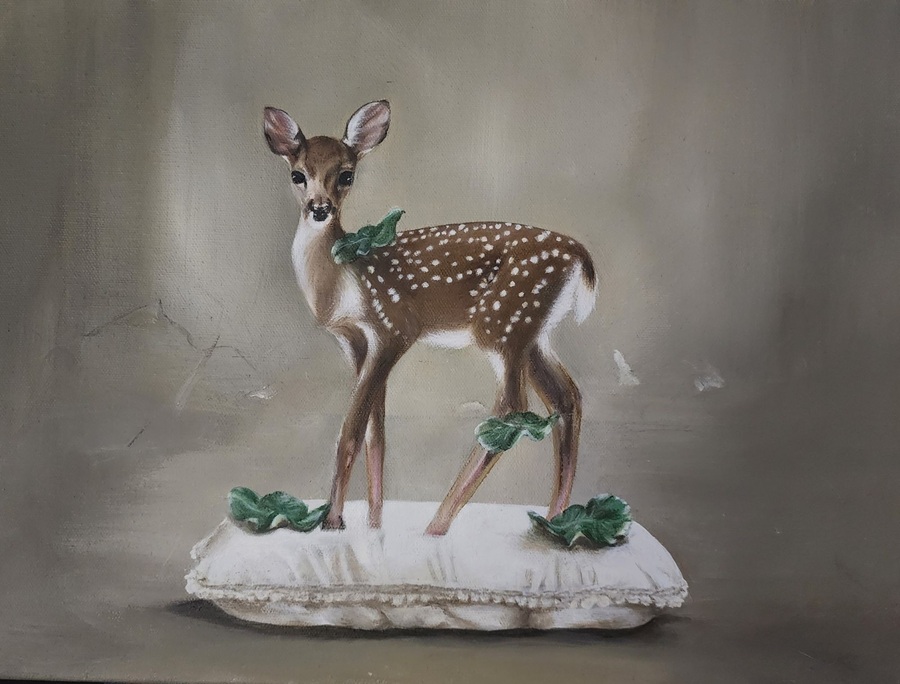
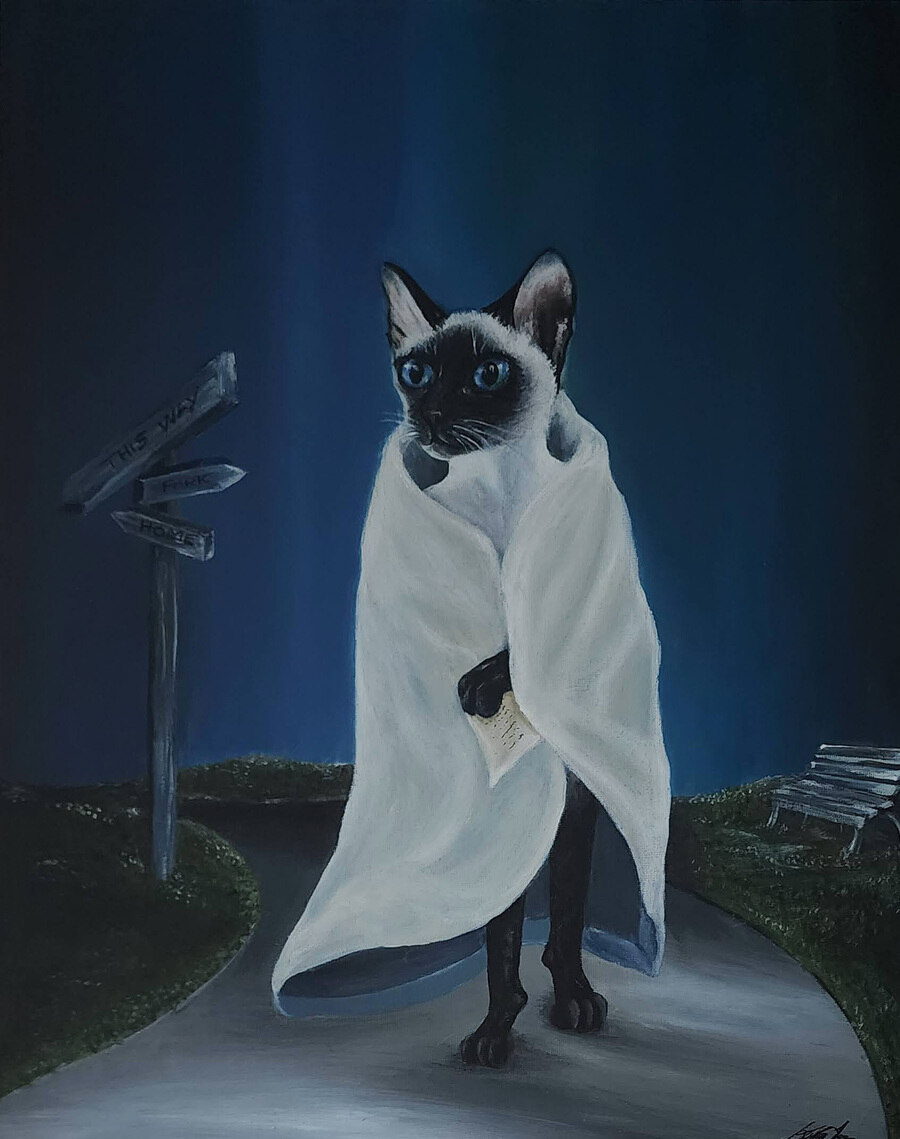
I also find it really meaningful to give animals a presence that reflects their emotion and intelligence. If that shifts how someone sees them, even a little, that’s important to me.
And honestly, the process itself is rewarding. Painting & Sculpture helps me think through things that are hard to put into words.


What advice do you have for aspiring artists who are just starting out?
I’d say don’t rush trying to define your style too quickly, to keep experimenting. It takes time to figure out what you’re actually interested in, and that usually comes through experimenting and making a lot of work.
Focus on what you’re drawn to and what you notice, that’s where your voice starts to form. Technical skill is important, but your perspective matters just as much.
Also, try not to compare yourself too much to others. It can really limit you without you realising it. Just stay curious and keep going.

Join cutting-edge artists from around the world
The Beautiful Bizarre Artist Directory is a powerful tool for artists looking to grow their visibility, and connect with fellow artists, curators and collectors. To join the Beautiful Bizarre Artist Directory click here for more information.