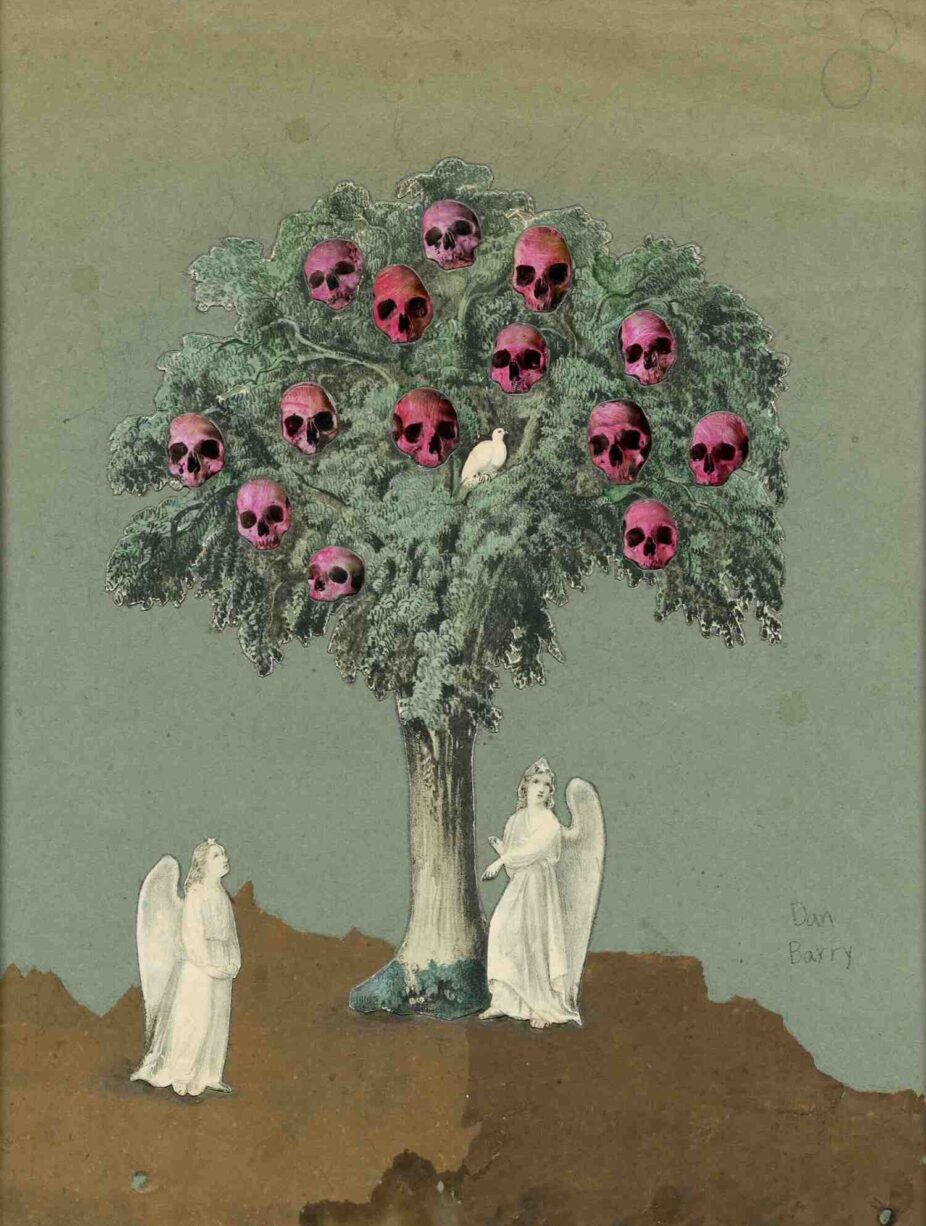
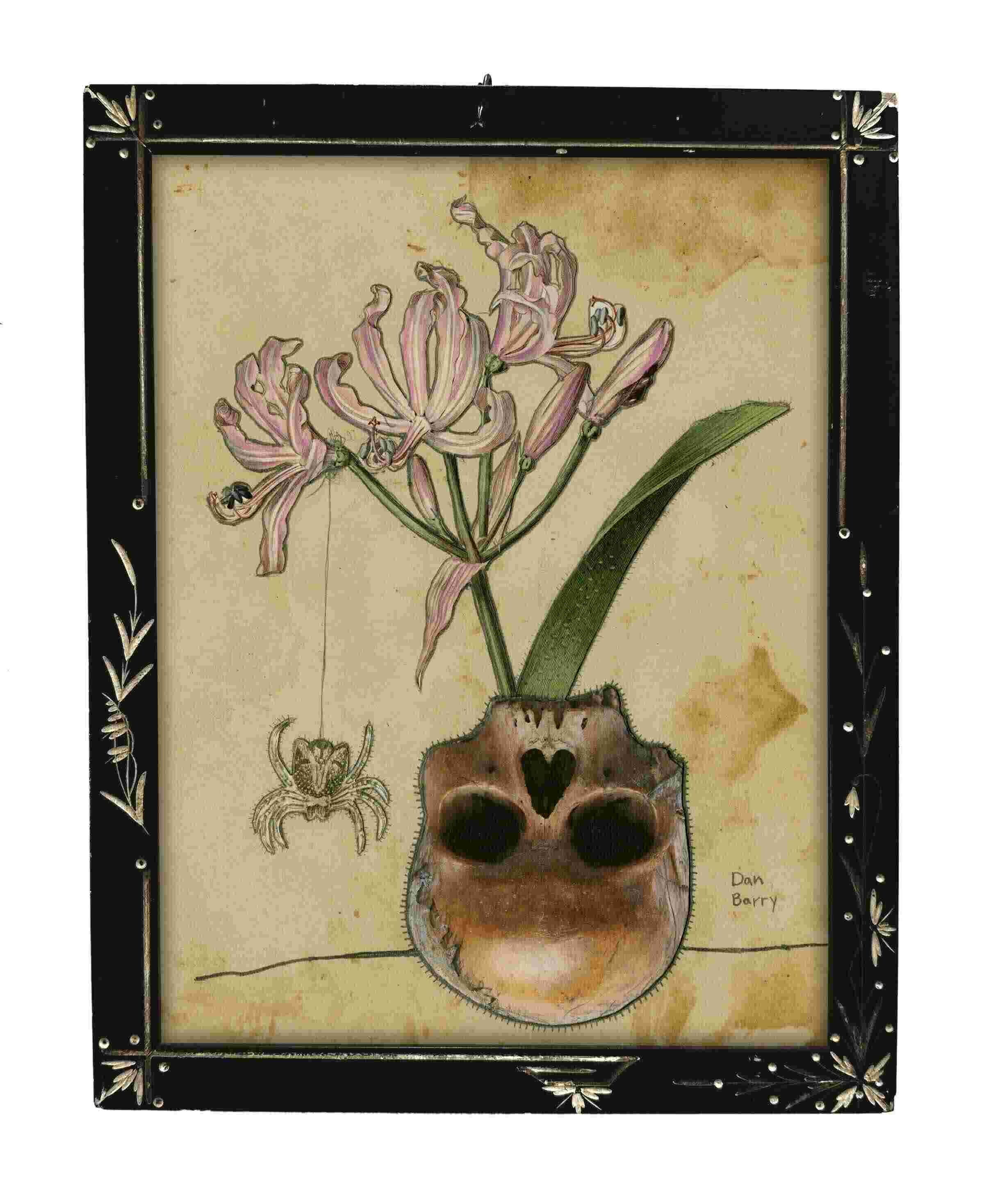
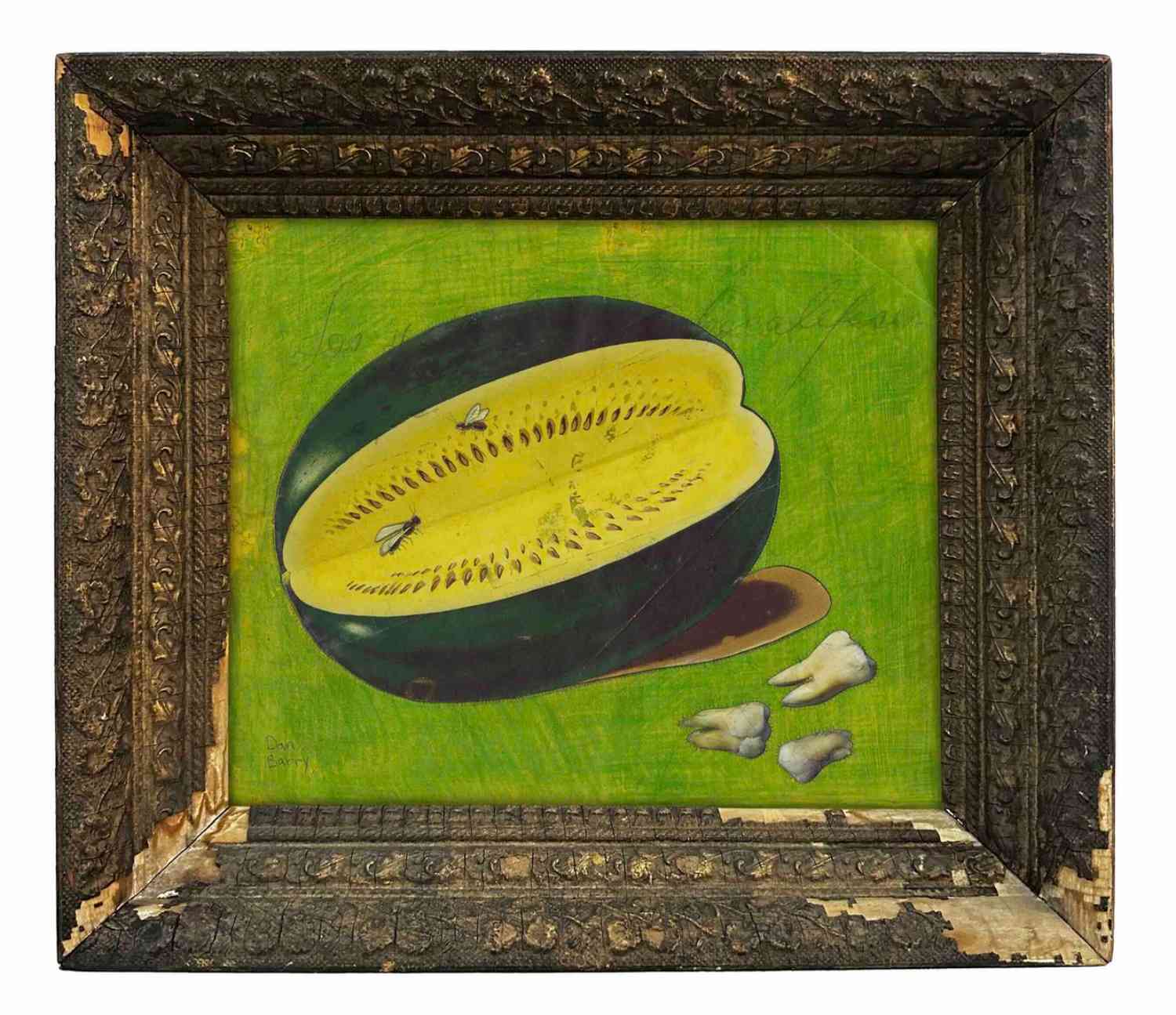
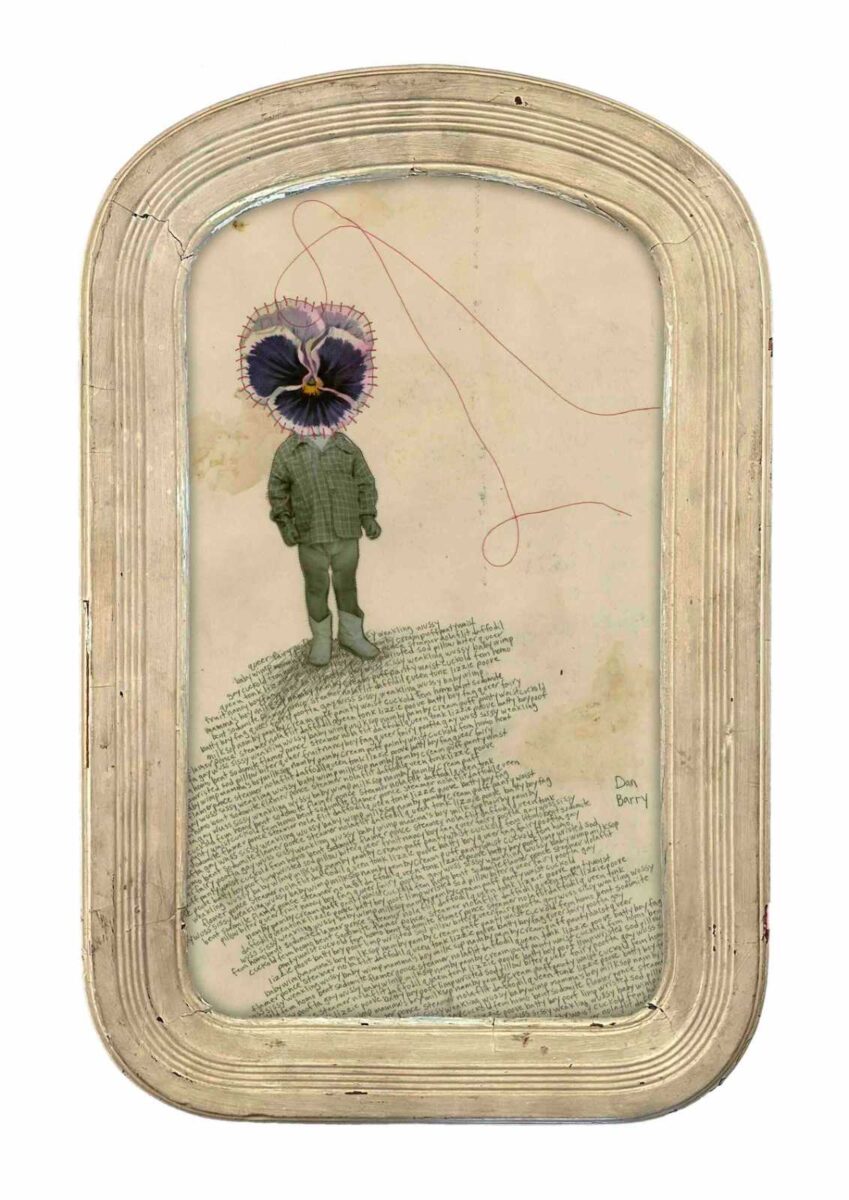
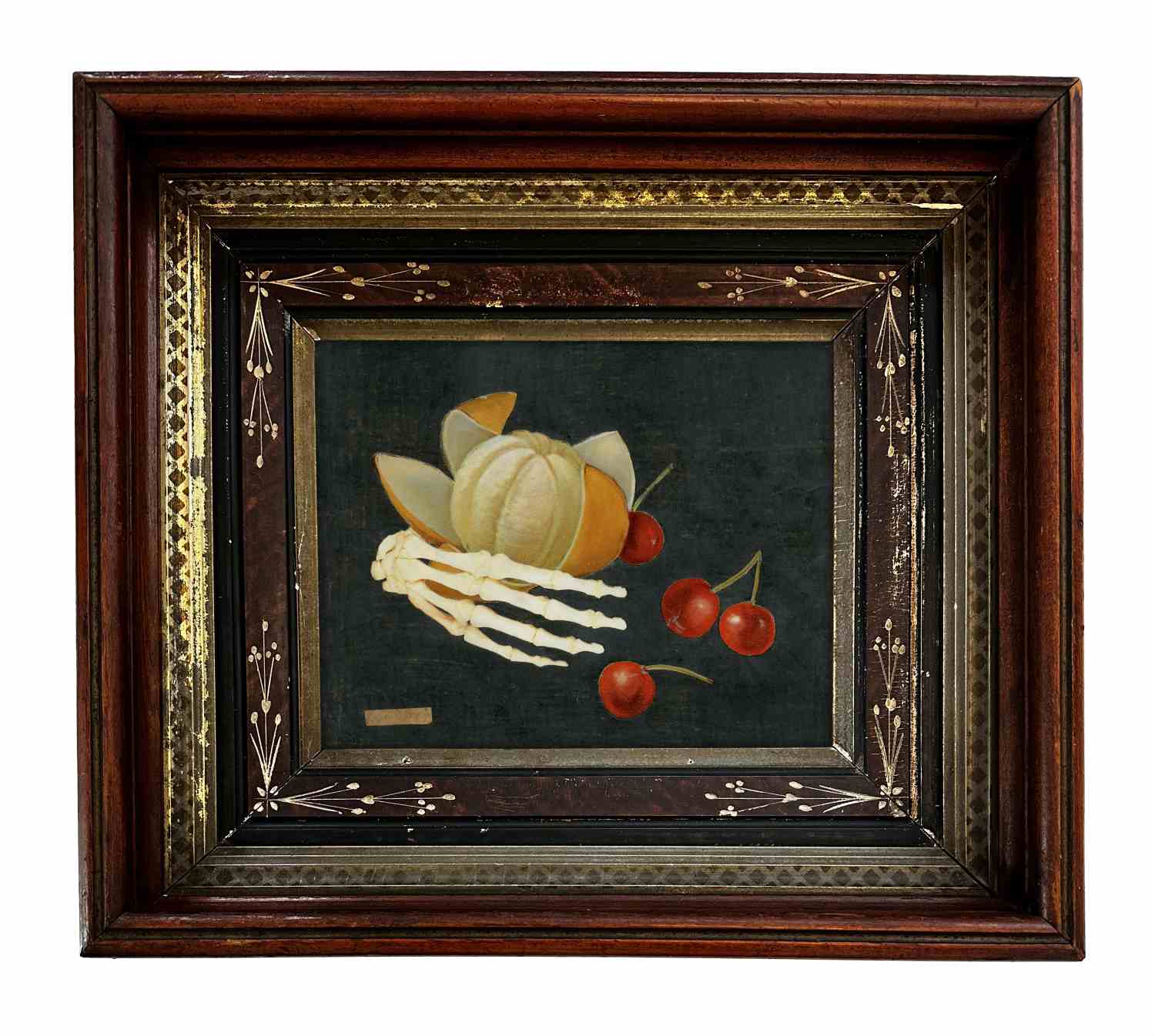
There is something truly special about being able to take something old and transform it into something new. Dan Barry has taken this classic upcycling concept and brought it to a whole new level through his patchwork world of mixed media drawings and collages. He encourages you to shake off the cobwebs, embrace the crisp pages of old coffee stained paper and re-evaluate how old newspapers and long forgotten ephemera can be brought to life once more to create artworks that are aesthetically timeless, yet thematically all too relevant to today’s political and cultural landscape.
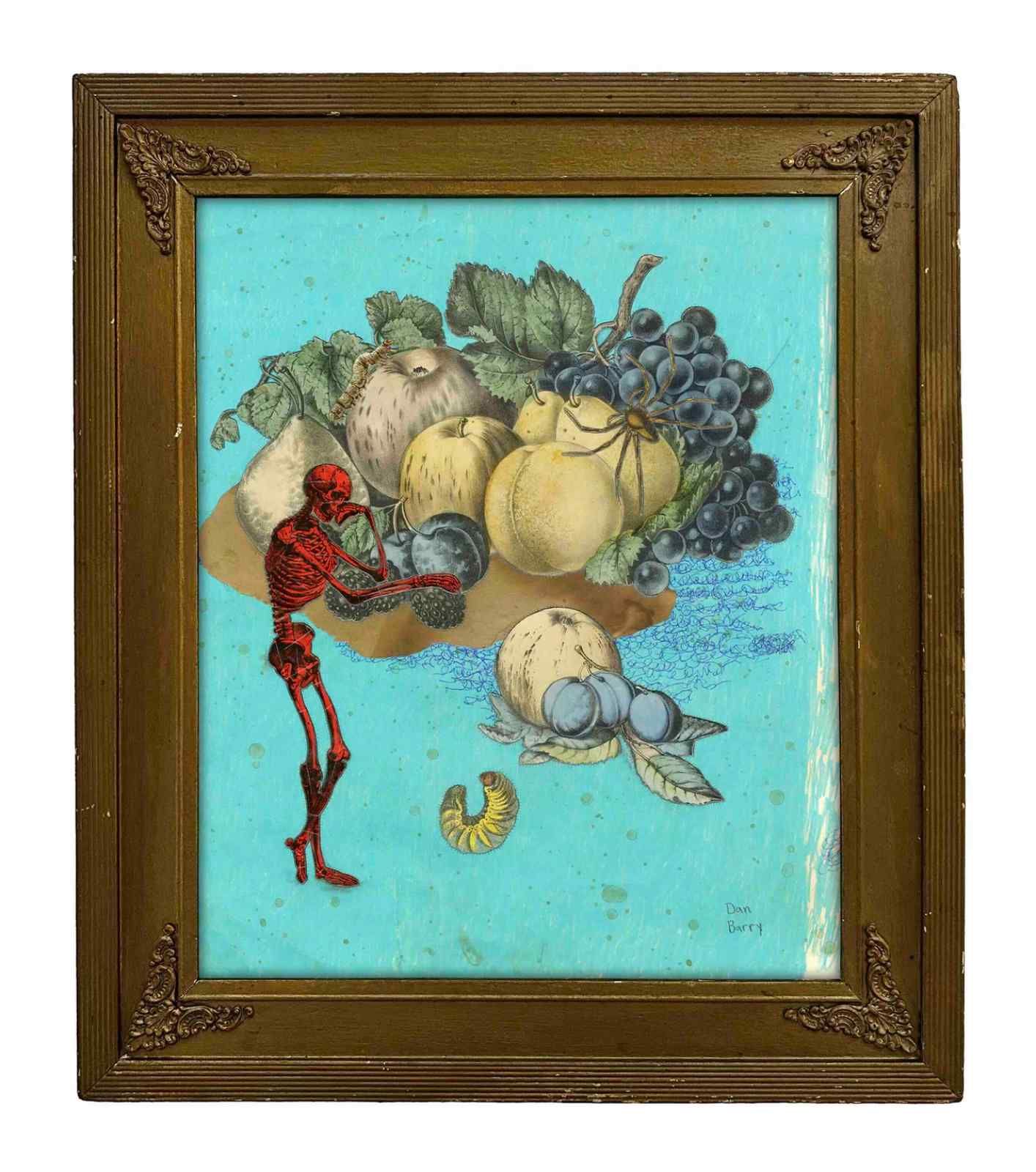
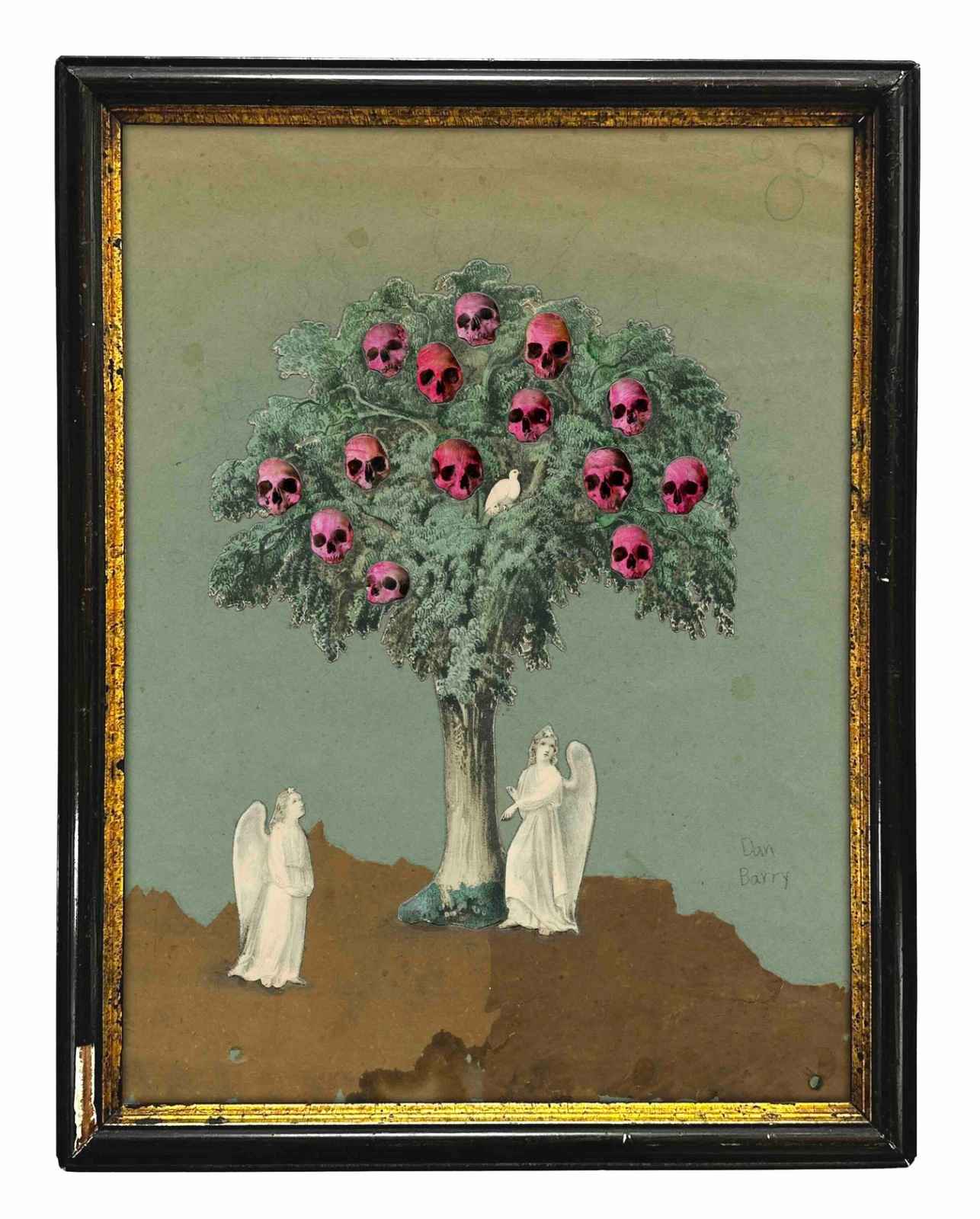
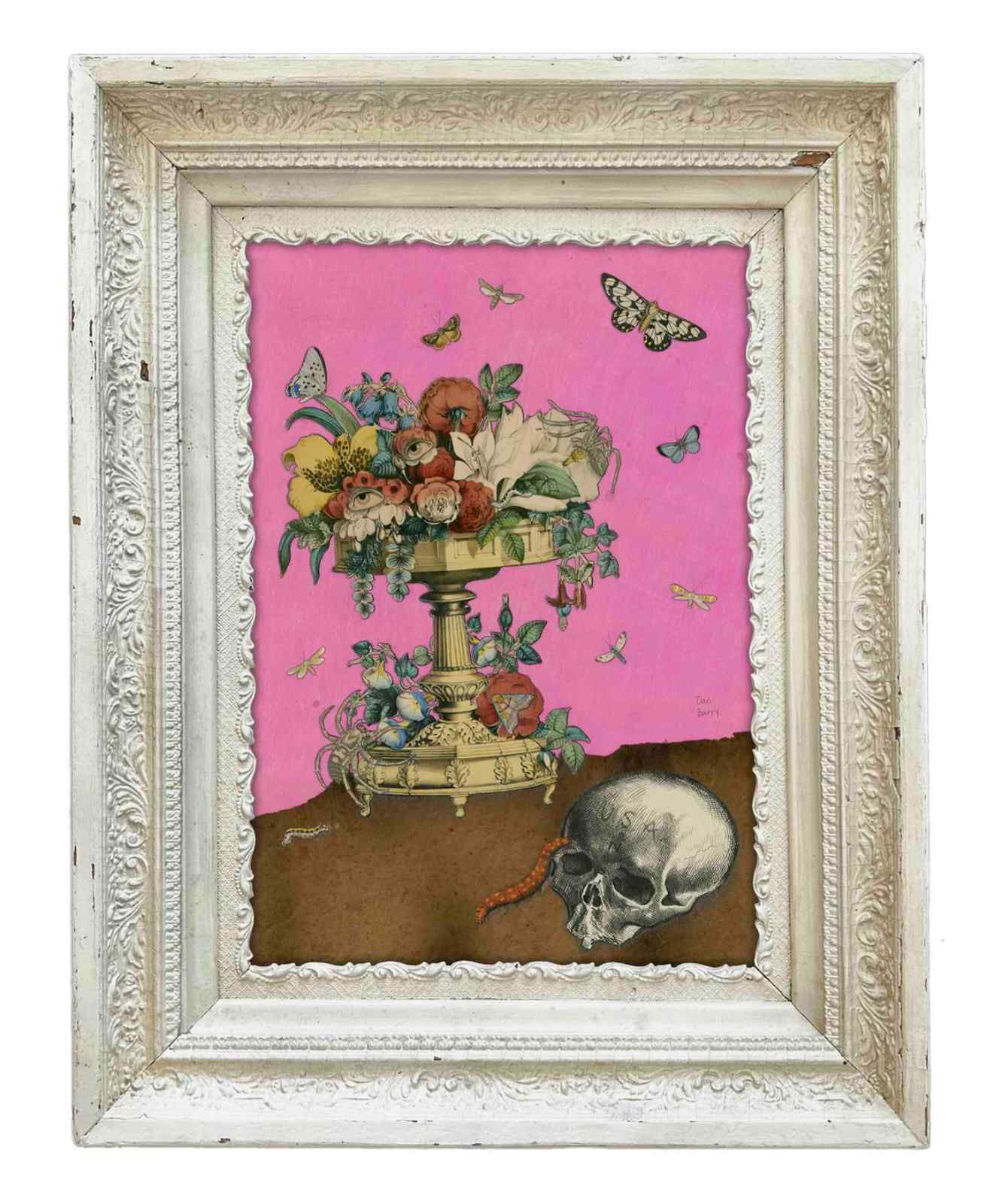
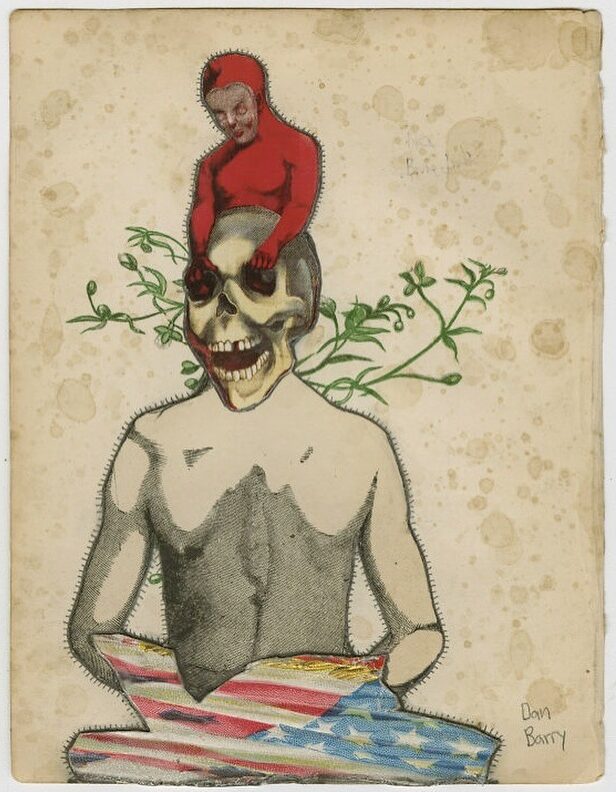
Dan Barry is an American mixed media artist best known for his found image collaged drawings that explore themes of life, loss, mortality, human connection and politics. Growing up in Wisconsin, Dan has always been inspired to create mixed media artworks that combine drawing with found image collage. This passion has followed Dan into adulthood where he has continued to develop his body of work in a professional capacity. Whilst much of Dan’s work explores complex themes and invites his viewers to reflect deeply, his work is purposely left ambiguous for personal interpretation.
After many years living in Austin, Texas, Dan now resides in a small town in Pennsylvania. In his spare time, he often travels to Sicily where he’s currently working on a new home studio restoration project made possible by the sales of 100 of his original artworks. You can follow his Instagram to keep up to date with his progress on this exciting new venture. Dan is currently represented by La Luz de Jesus Gallery.
My artworks have always been a reflection, and an ambiguous journal, of what is happening in my life, mind and surroundings at any given time.
Interview with Dan Barry
What is your earliest memory of art?
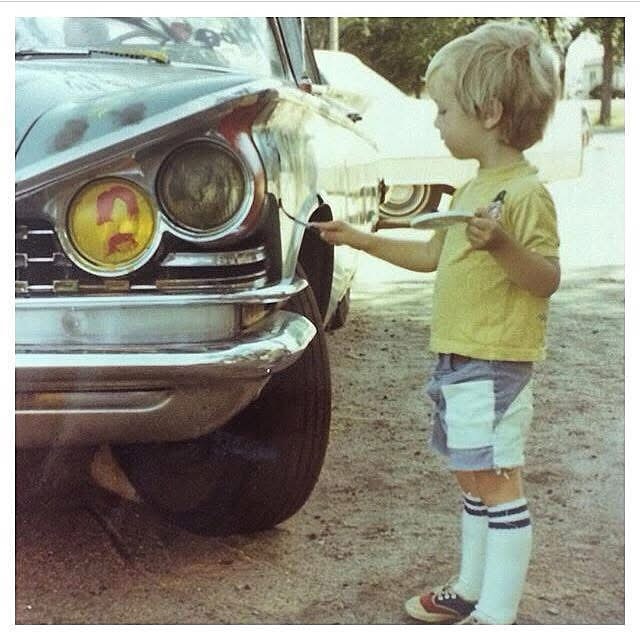
From an early age, I always enjoyed drawing and art-making, but my first visual memory of art was captured in a photo taken by my father on July 4th, 1976. As part of our town’s bicentennial celebration festivities, for 25 cents I was given three squirts of paint on the plastic lid from a Folgers coffee can. I was then given the opportunity to paint whatever/however I wanted to on the exterior of a 1959 Buick.
Where do you look to when searching for mixed media materials for your work? And do you recycle materials for other projects?
I have always been attracted to old things and cast off cultural debris. I have memories of growing up on a farm in rural Wisconsin, digging in old dumps, exploring abandoned farm houses and barns, searching for something interesting and beautiful. This is where my appreciation for the beauty of decay began.
Thrift shops, antique stores, flea markets, online, word of mouth, are all places I look for materials that resonate. Some specific items are sought out, while others are stumbled upon. Mostly old frames, photos and other vintage printed materials and ephemera are what comes back with me to my studio.
When cutting an image out, with a scissors or xacto knife, I am always mindful of what remains. If i see value in the fragment, I will keep it for future use.
Life, loss, mortality and the passage of time are strong themes throughout your body of work, how has art shaped/impacted your relationship with these facets of life?
My artworks have always been a reflection, and an ambiguous journal, of what is happening in my life, mind and surroundings at any given time.
In my early 20s, as a young queer man coming of age in the early 1990s, amongst the backdrop of the first decade of the AIDS epidemic, my anxiety about becoming HIV positive and a strong correlation between sexual intimacy and death I had created in my mind, found its way into my earliest mixed media collage drawings.
But, it wasn’t until my mid 30s that I started really thinking about my own mortality. Around this time numerous friends my age, and a little bit older than me, passed away in rapid succession. One experienced a brain aneurysm and fell to the floor right right in front of me, another suffered through a longer fight and decline with painful cancer – the idea that life had the possibility of being short had firmly been planted in my brain.
In my early 40s, I helped my mother care for my father in his final years, as he dealt with heart disease, cancer and reoccuring infections caught in the hospital. Just months after my father’s passing, my mother’s health took a rapid decline. A heart attack, a series of strokes, diabetes and mental decline made it so that she was no longer able to live independently. At that point she moved in with me and my partner. We took care of her for the last six years of her life.
More recently, a friend of mine from high school took his own life after years of struggling with the damage caused by being repeatedly sexually abused by priests who taught at our Catholic High School. And then, soon after, a close friend of mine from the Philippines, Bree Jonson, a talented painter and kind, impressive human being lost her life at the hands of her boyfriend, strangled late at night in a hotel room. His family connections prevented him from ever being held accountable.
All of these experiences directly impacted the artwork that I have created. All of these stories and emotions were poured into the objects that I created out of found ephemera and marks of my hand – in graphite, ink and paint. These experiences and realizations were also the catalyst to my deciding to leave my lucrative corporate job of 20+ years at the age of 44 to have more time to focus on my creative life.
I have been a full time artist for the past 10 years. When I took that leap of faith, I anticipated that I would be financially poorer, but hopefully happier and less stressed out. I am now all three of those things.
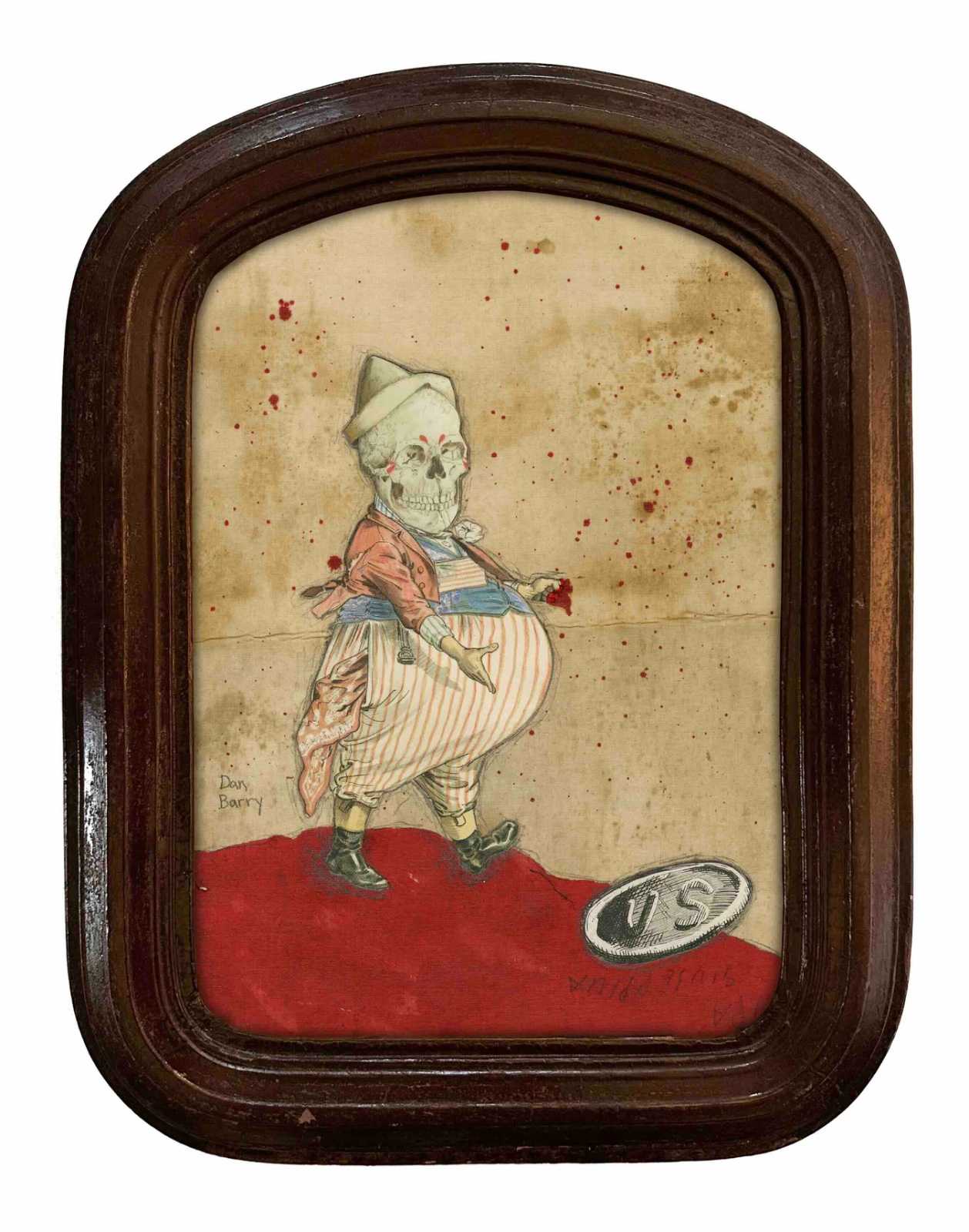
Politics also plays a role within your work as seen in your “It Portends” series, how have you found speaking out about politics as an artist?
“Hatred can rot away at a person’s intelligence. Enemy mentality will poison the spirit of a nation, incite cruel mortal struggles, destroy a society’s tolerance and humanity, and hinder a nation’s progress toward freedom and democracy.” – Liu Xiaobo (1955-2017)
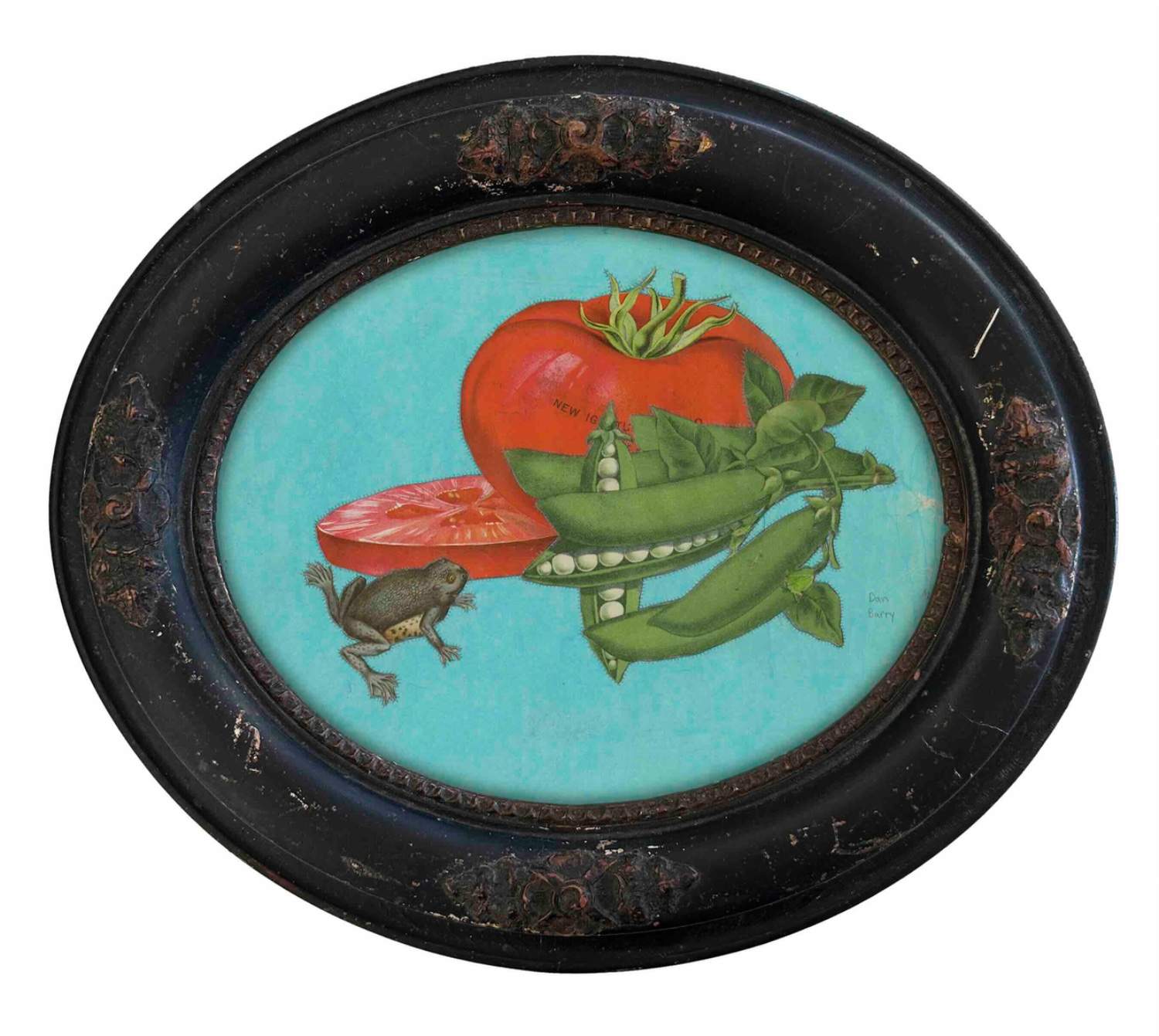
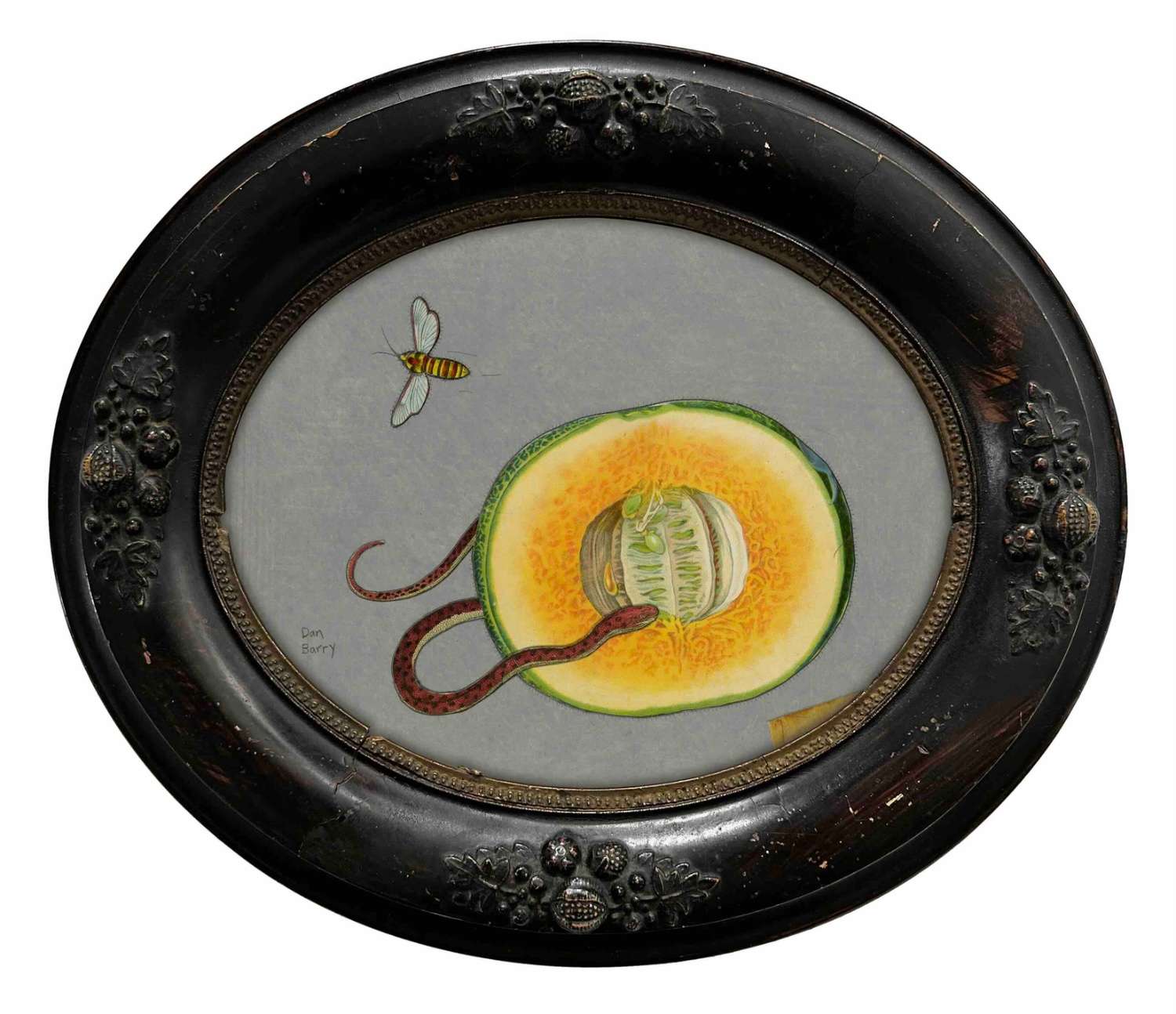
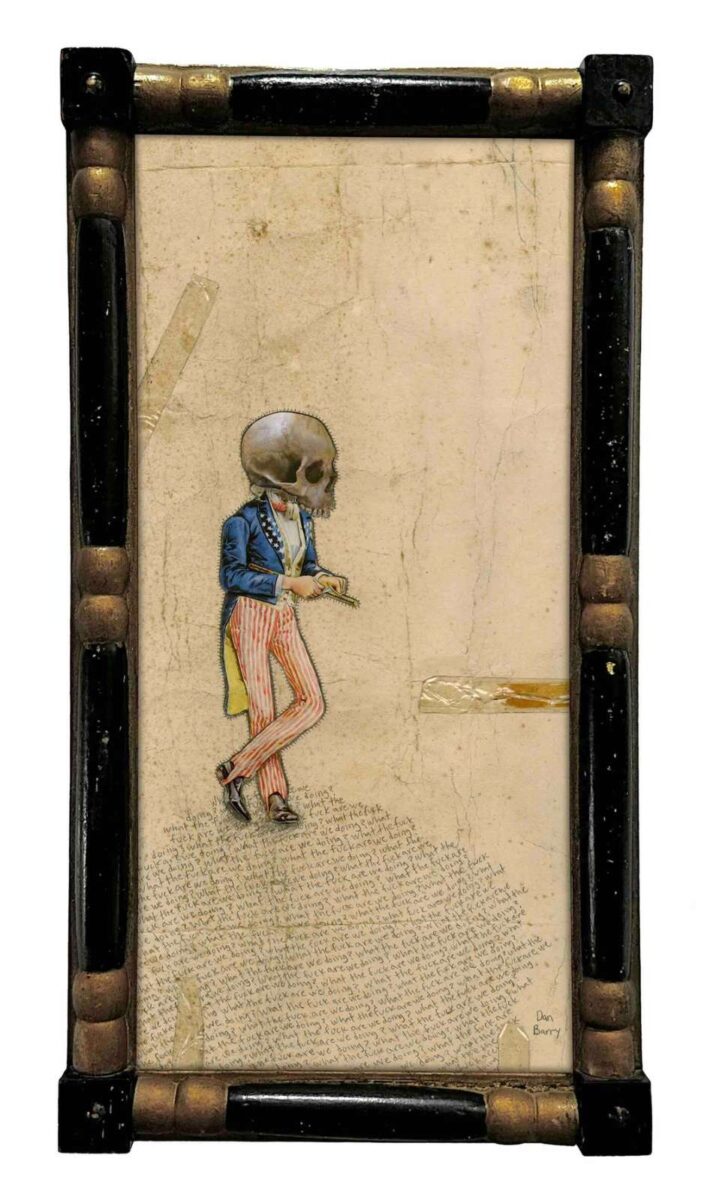
Artworks that eventually became my ongoing “It Portends” series began in 2015, as a direct/personal response to the general climate of dread and chaos found in our polarized nation, current world events and global conflicts. This is another example of my artworks being a reflection, and an ambiguous journal, of what is happening in my life, mind and surroundings at any given time.
There is a long history of art being a powerful tool of social and political change. But first and foremost, the creation of these artworks helps me sort through the facts, and process the accompanying emotions. The resulting artworks are often challenging images that are cloaked in a veil of beauty. They serve as both defiance and refuge. By that I mean, I hope that people can find comfort, solace and community in the works, knowing that they are not alone.
However the same artworks comment upon, draw attention to and protest against the rise of fascism and dismantling of our nations foundation and strength. It’s my intention that these artworks will live on as a historical record of a critical moment of American’s history.
Lastly, the creation of beauty in difficult times is in itself an act of resistance. Oppressors want to demoralize and make people give up. Through the continued making of artworks, politically charged and/or simply beautiful, I remain defiant and resilient.
Is there a need for more political conversations within the art world?
No, not necessarily. I believe that artists should feel free to make whatever type of artworks that they want, need or are compelled to make. With that said, I also believe that all artwork is political. Art is made and exists within the social and cultural context of its time. It is a mirror reflecting the realities, struggles and attitudes concurrent with its creation.
Even art that tries to avoid politics can be seen as a political act, particularly in these tumultuous times, when the very choice to ignore politics can be interpreted as a political statement.
How do you approach a new body of work? Do you come up with the message you want to convey first or do you brainstorm visual ideas first?
It is the gathering of materials over time that is the beginning of my work. After the materials make their way into my studio, a lot of time is spent thinking about how and when they will best be used. It is the materials, and the thoughts that they spark, that direct the artworks being made. Experimenting, playing, combining images and other visual elements eventually galvanizes where an individual piece will go. However, even then, the process is fluid and the the aesthetics and narratives can, and often do, evolve through the process of creation.
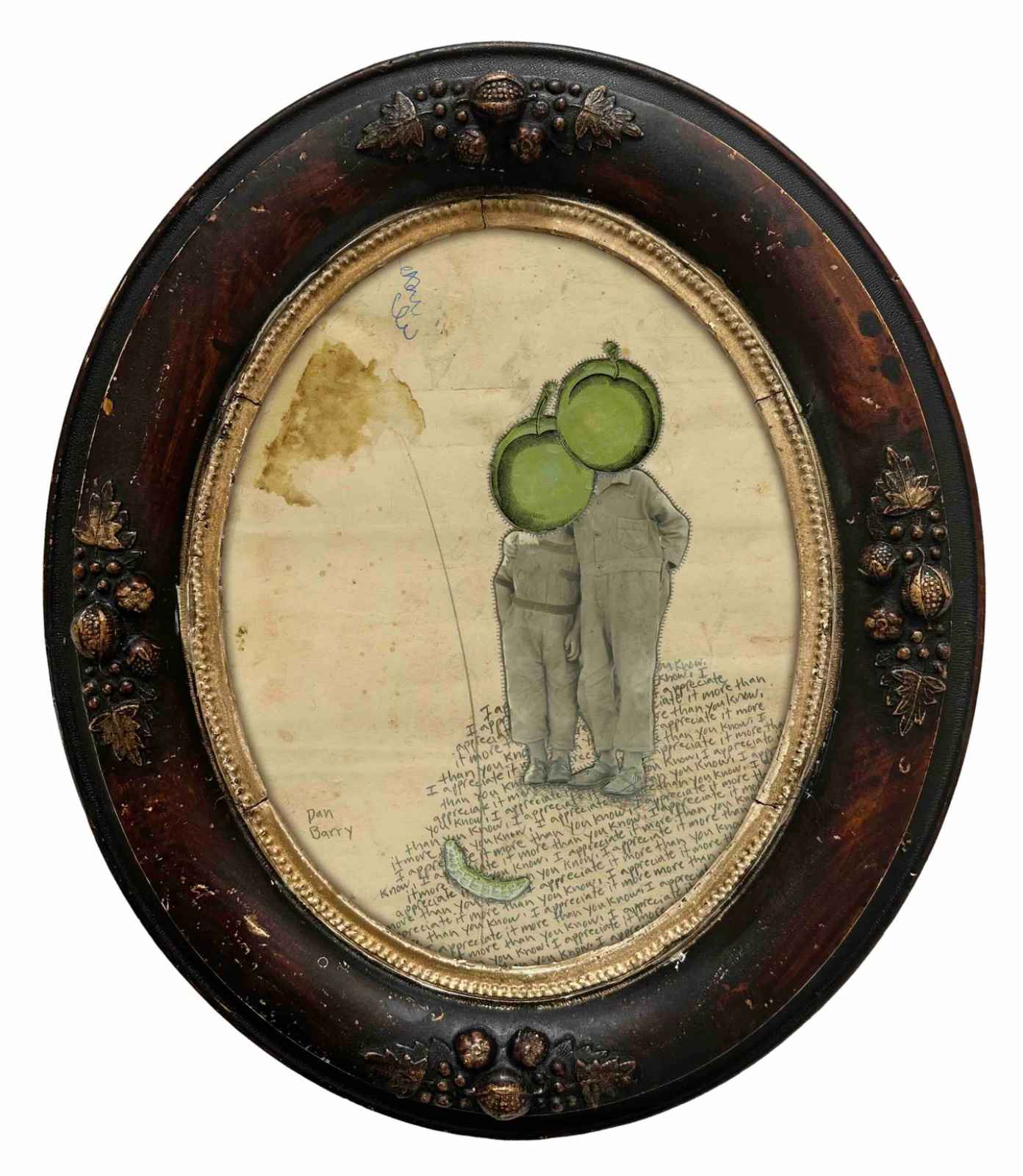
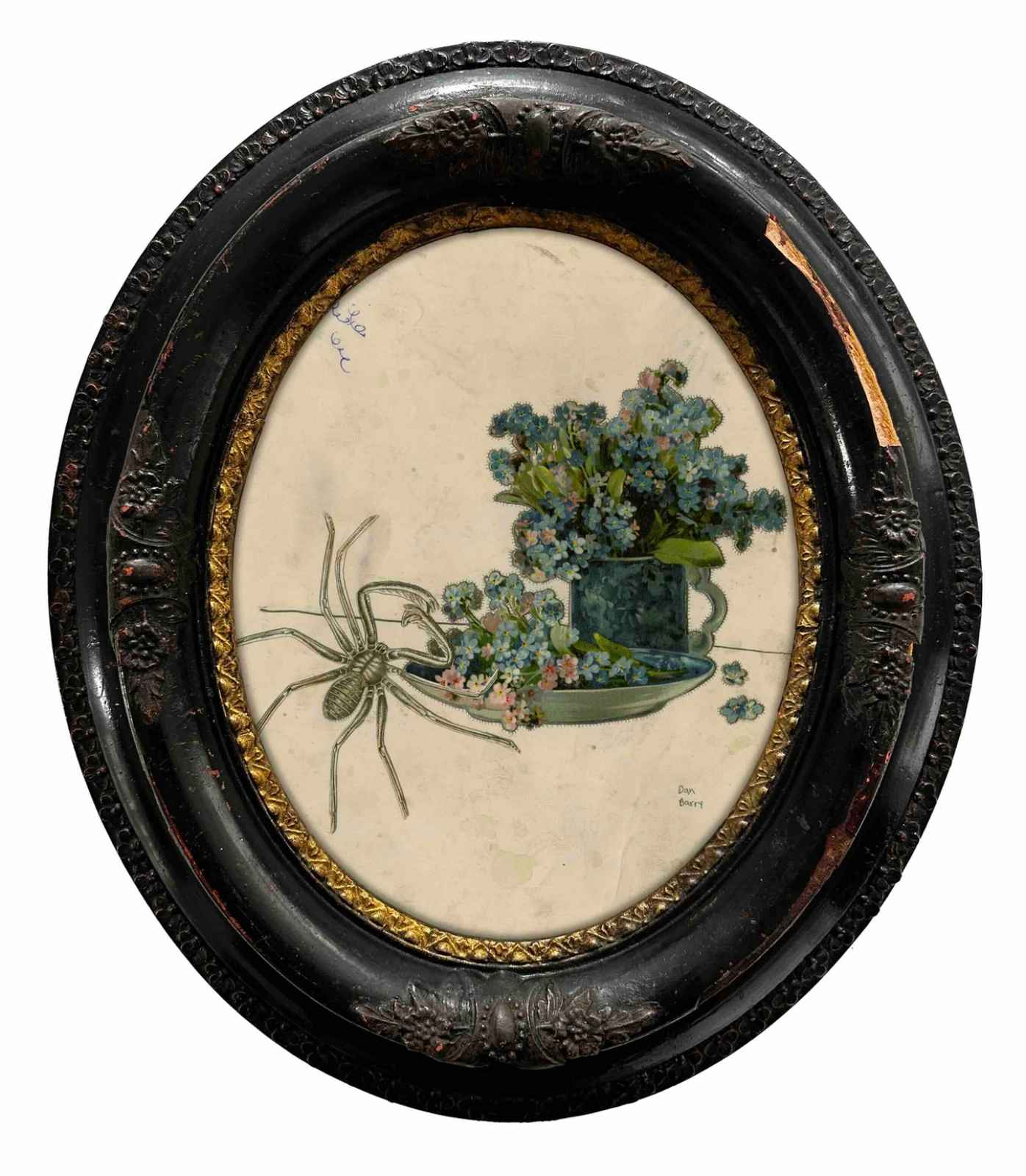
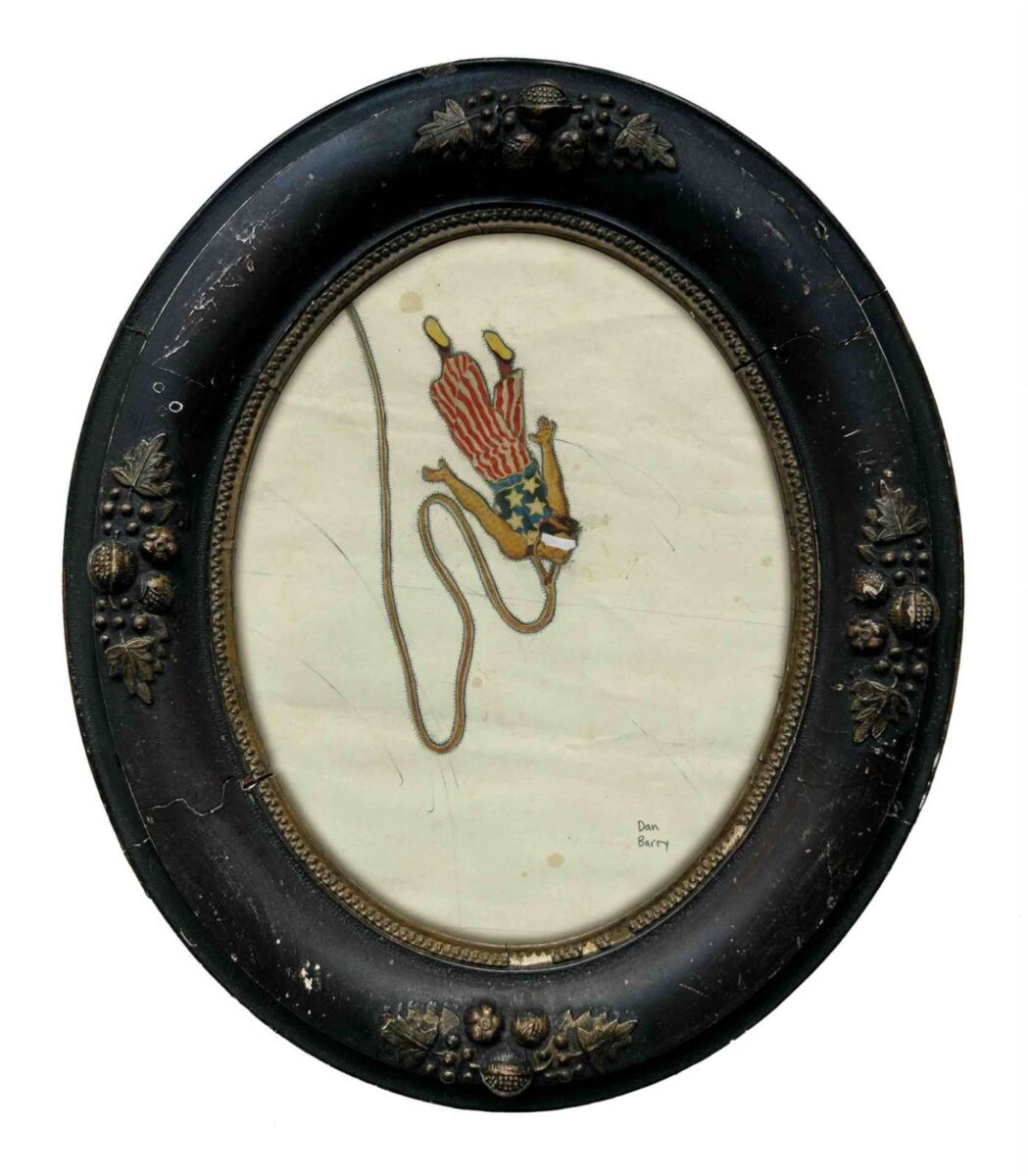
When creating a new body of work for an exhibition I tend to work on many pieces at once. The majority of the time, a collection of artworks begins with the selection of the antique frames to be used and hanging them together on my studio wall. I consider the scale, style, quantity and overall aesthetic of the group of frames and how they work together as a whole.
From there, individual artworks begin by first selecting a frame from the wall and deciding what wants to be housed in it next. Rarely are individual artworks created straight through, beginning to end. The majority of the time, the entire collection is worked on together. Advancements on each piece has an impact on the development of the others in the collection.
What do you hope people can take away with them after viewing your work?
For those people who take the time to look at and engage with my artworks, it is my hope that they take away a story, a question and/or an emotion.
Although my artworks are very much a telling of specific personal stories and feelings from my life, to me it is not so important for them to know or take away my story. Rather, it is my hope that there are enough signifiers of meaning in an artwork, for the viewer to derive their own meaning, through the filter of their own lived experiences. I would hope that some works provoke thought and have the viewer take away a question. Lastly, I do what I can to have each artwork contain an emotional charge, enough so to illicit a feeling. Often, empathy is a through line in my works.
You are currently working on your Sicily Studio Project, can you tell us more about this project, the impact it’ll have on your art practice and what inspired you to start this venture?
Last year, I spent the month of August visiting some dear artist friends who had been restoring an old house in Sicily for a number of years. It was enough time to explore many different parts of the island, swim in the sea, as well as, spend a lot of time relaxing with my friends at their house, in a small village at the base of the Madonie mountains.
Shortly after returning home to south central Pennsylvania, “just for fun”, I began looking online at available houses in the same Madonie area of Sicily. From there, things moved rather quickly. By the end of the year I was back in Sicily looking at houses, all within walking distance of my friends’ house.
This past February, I bought an old stone house in the same small village. The house itself checked all of the boxes of what I was looking for. It retained most of the original architectural details (tile floors, plaster crown moldings and chandelier medallions, many original doors, windows, hardware etc.), it is large enough to live in and have a dedicated studio space, there is a manageable sized private garden space, and incredible views over the village, the valley and with the mountains in the background.
The Sicily Studio Project has been a big focus for me the past several months. There was a lot that needed (and still needs) to be done to make the house inhabitable, as no one had lived in it since 1998. Once the old stone house is inhabitable, and my studio has been established, I look forward to living and working there several months of the year.
I have always enjoyed traveling abroad, exploring and getting myself out of my comfort zone. What made a lasting impression on me from my first visit to this part of Sicily, was just how tranquil, peaceful, quiet, slow, beautiful and friendly it was there. All of these attributes will certainly impact my art practice.
Do you have any exciting projects or exhibitions coming up that you can tell our readers a bit about?
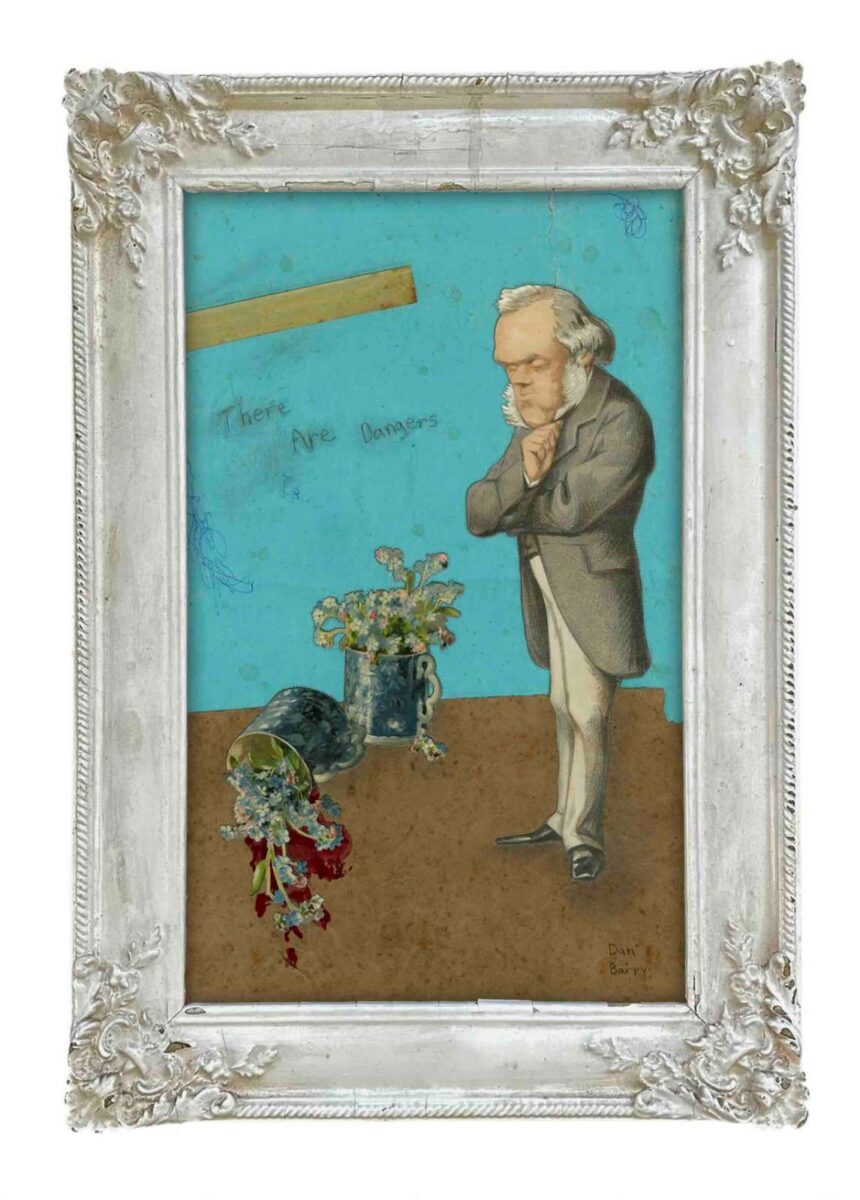
In October, I have a solo exhibition titled, “There Are Dangers”, that will be on view at La Luz de Jesus Gallery in Los Angeles. It will be my 5th solo exhibition at La Luz (you can learn more about the exhibition here). Beyond that there are several exciting projects in the works in 2026 and 2027. I will be releasing mode information and details on my Instagram before the end of the year.