Maysa Bogheiri Beautiful Bizarre Artist Directory member provides some fascinating insights into her practice and experience as surrealist painter, as she responds to the questions below:
- What type of art do you create and what motivates you to make it?
- What is your biggest pain point as an artist?
- Tell us about an important life moment that influenced the direction of your work, and how.
- How has social media changed your practice?
What type of art do you create and what motivates you to make it?
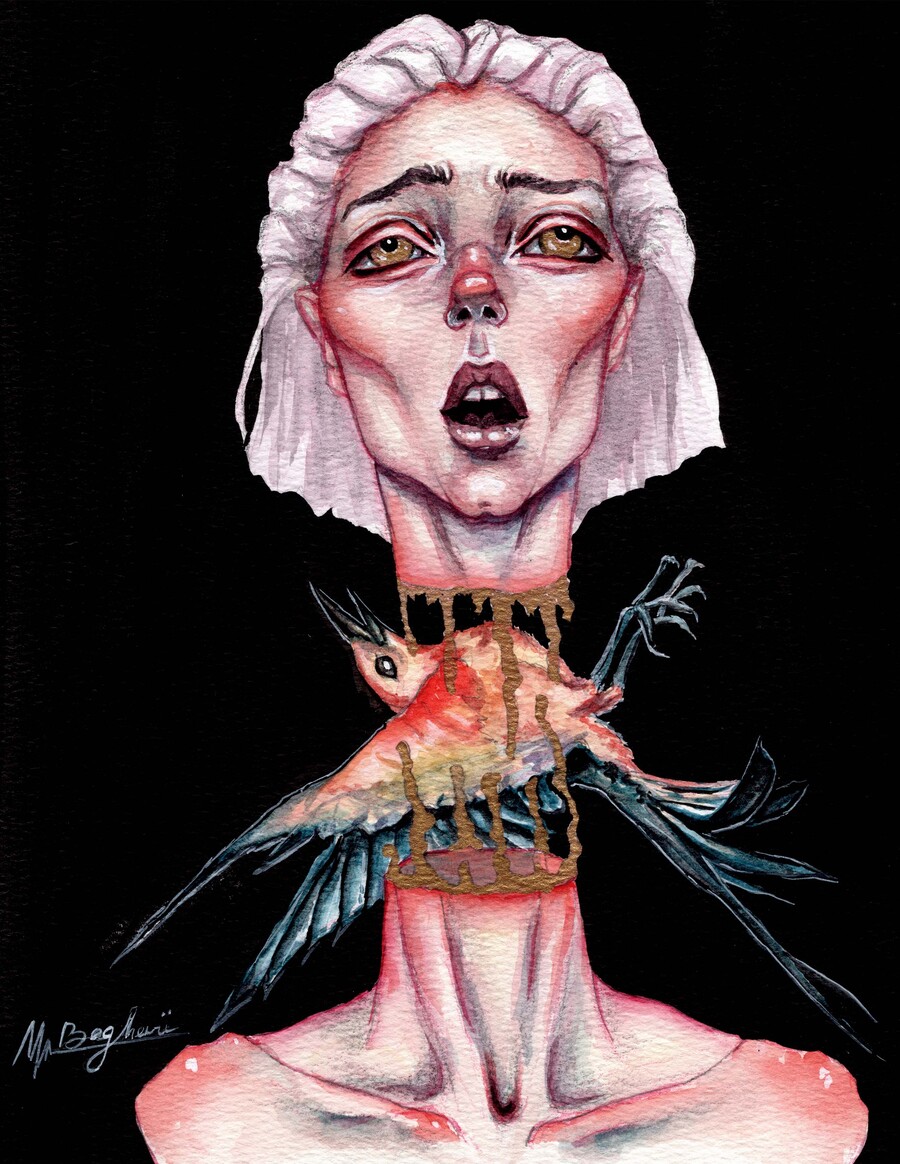
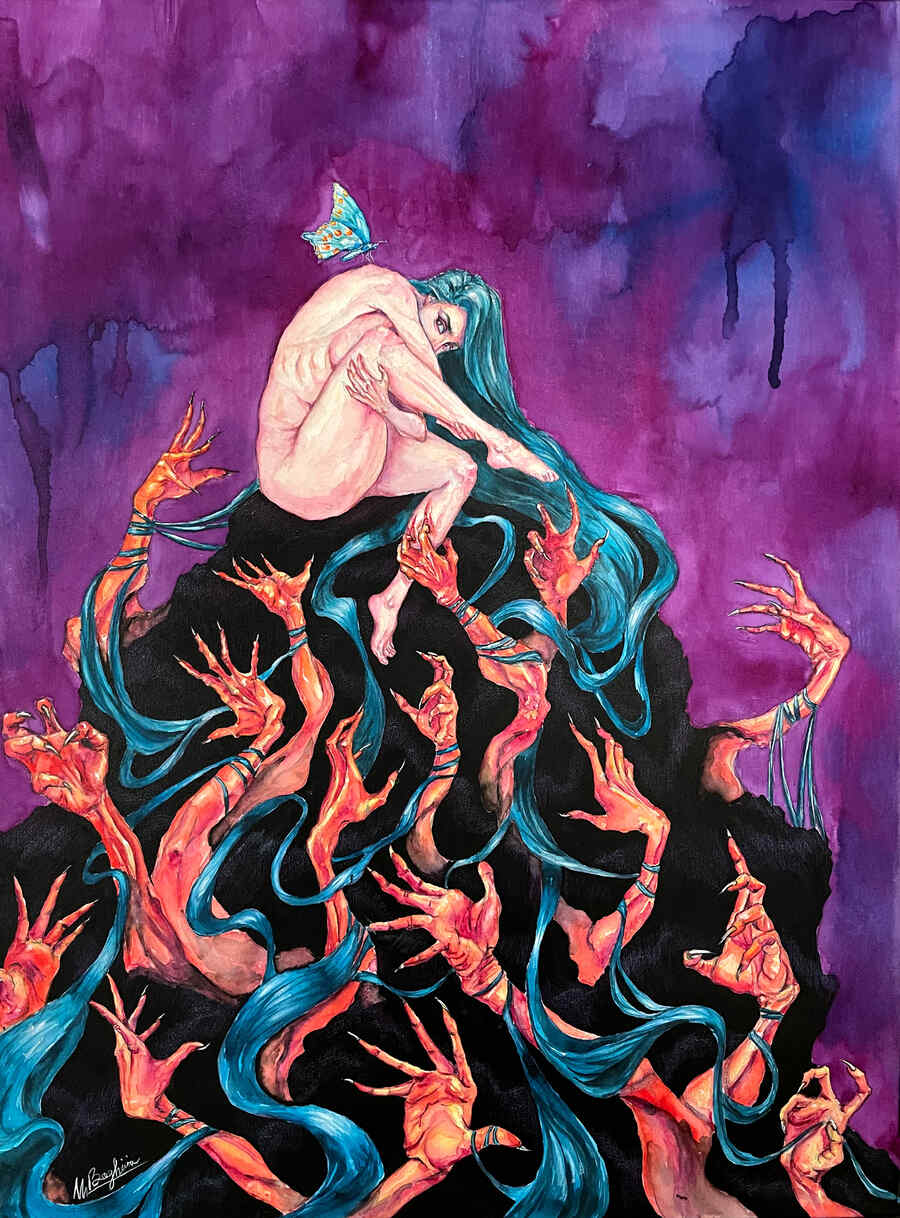
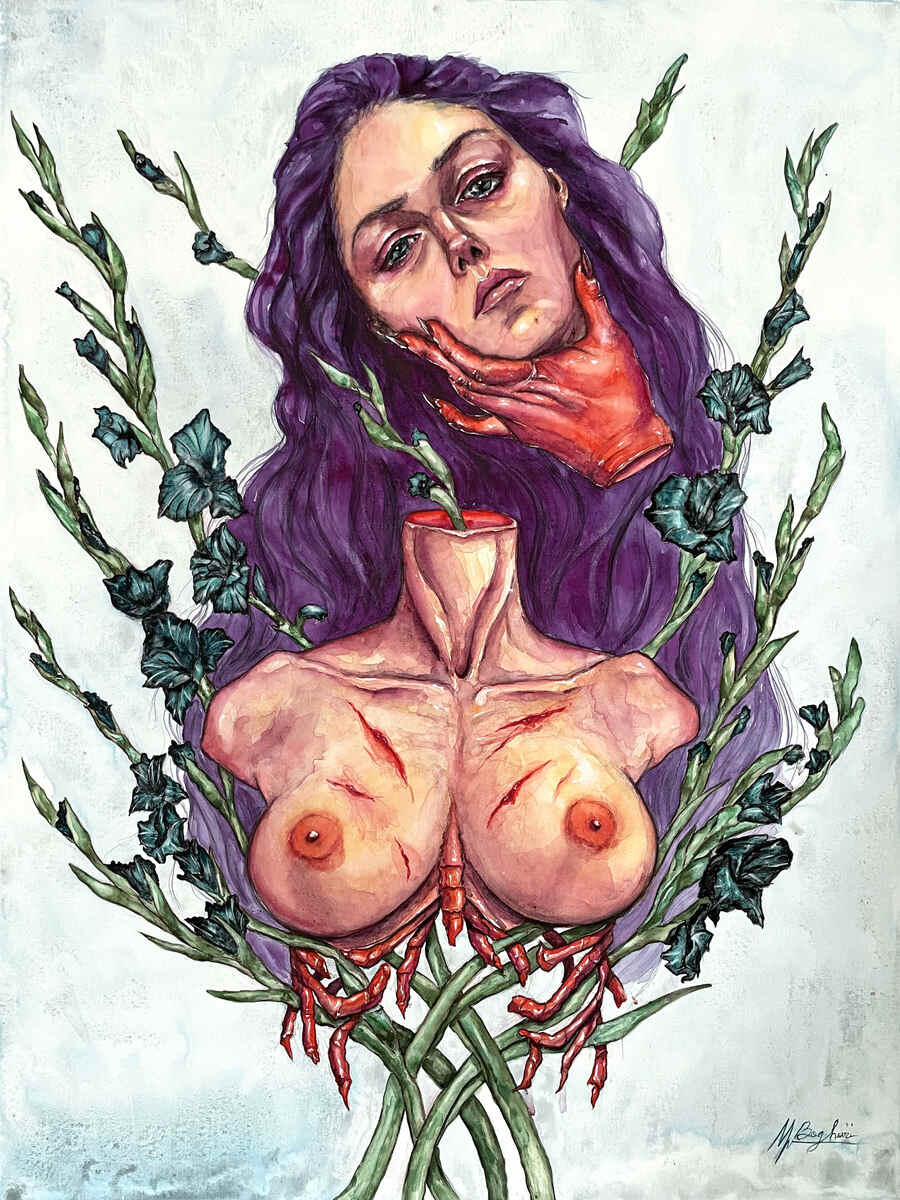
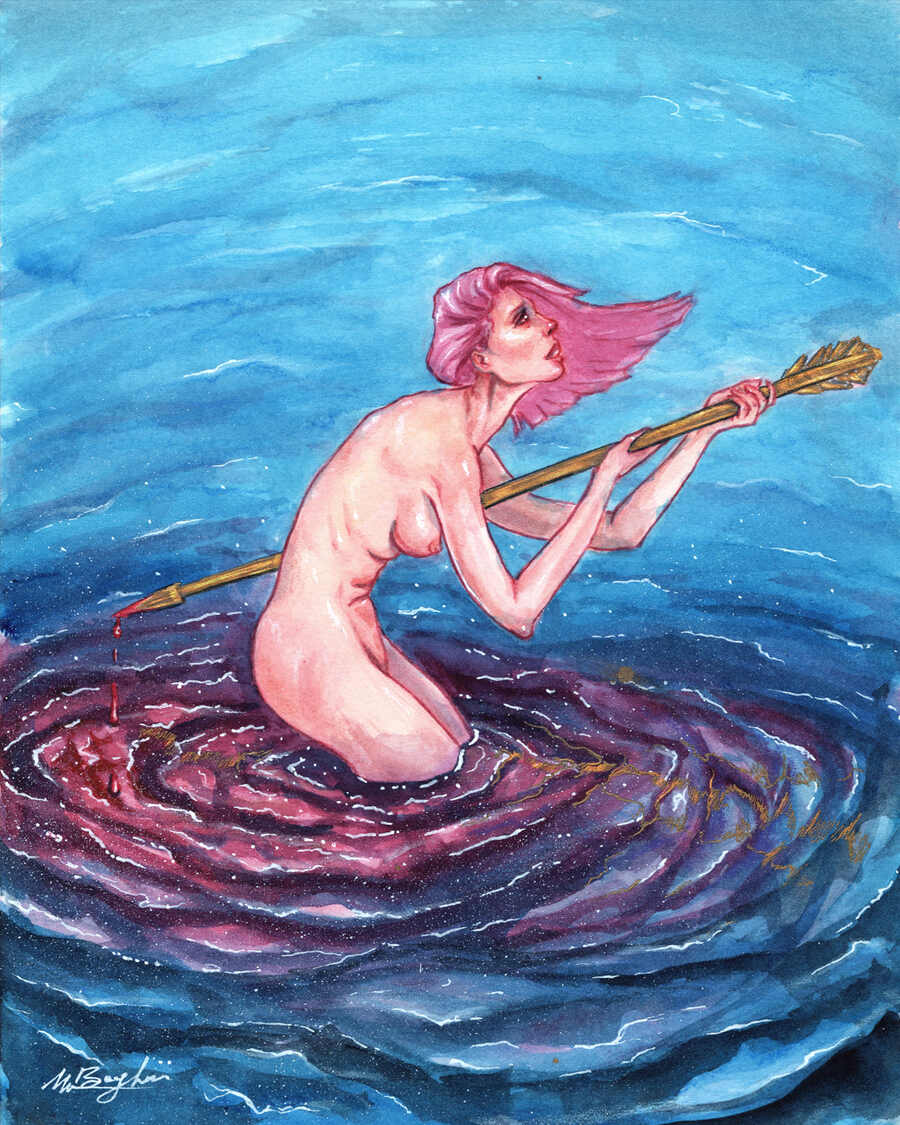
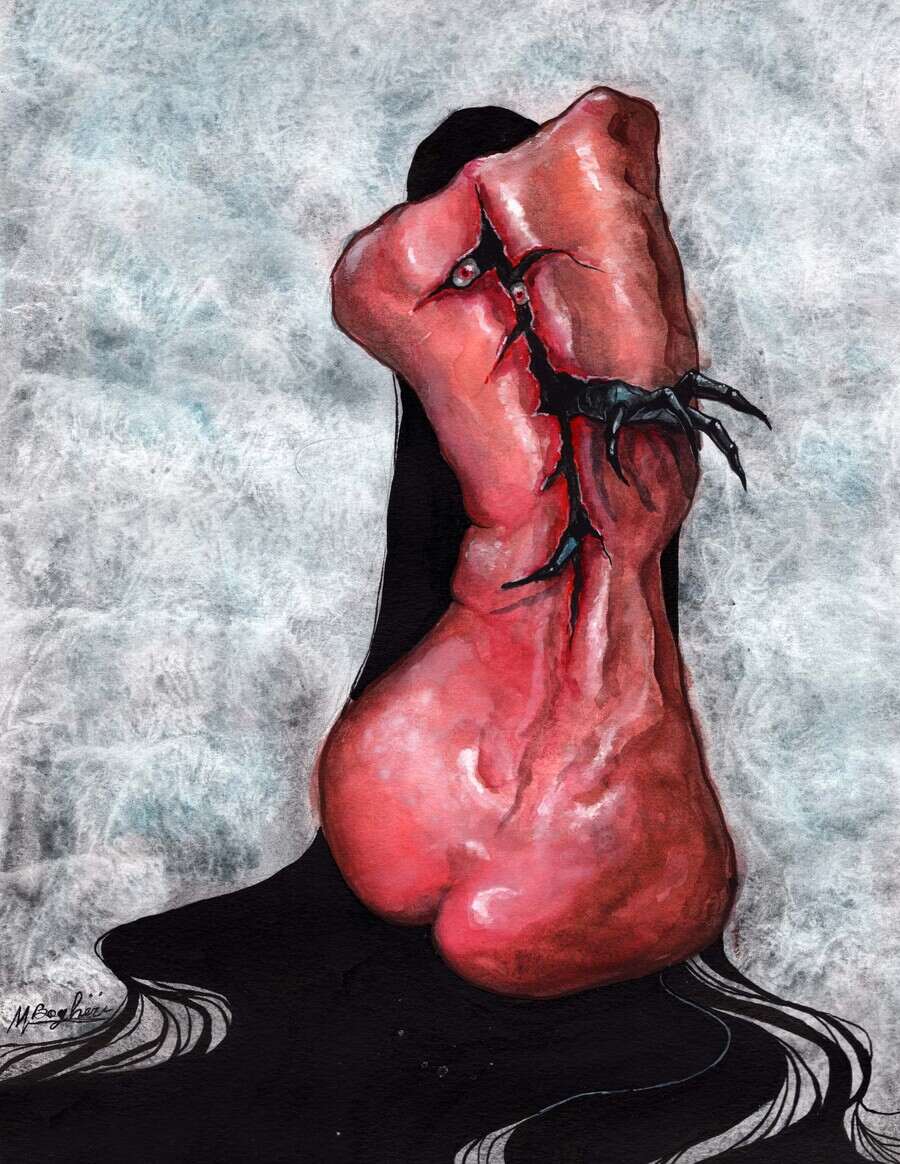
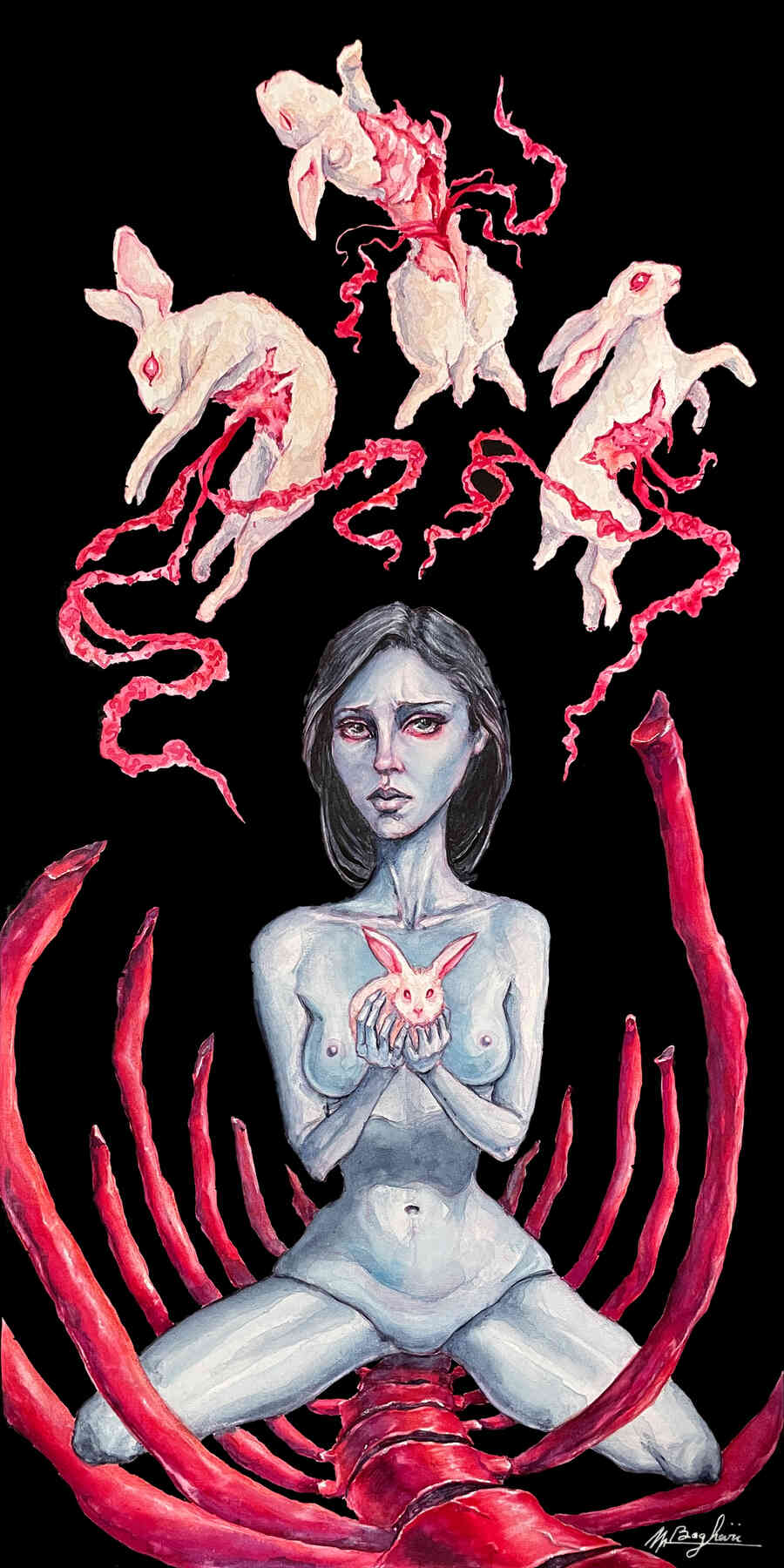
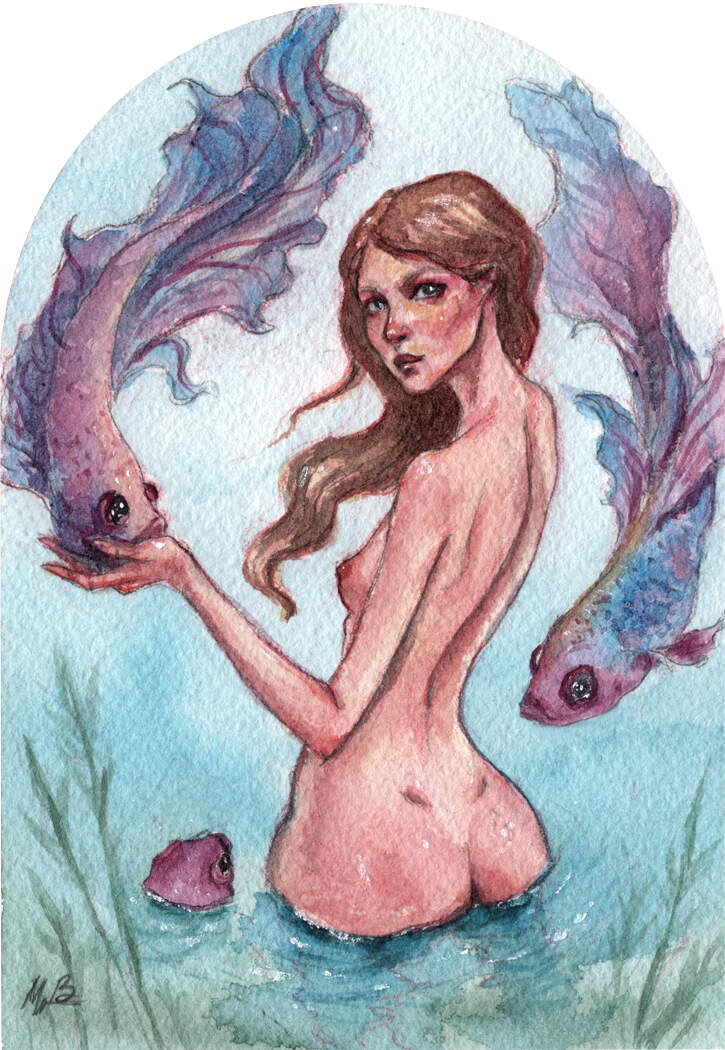
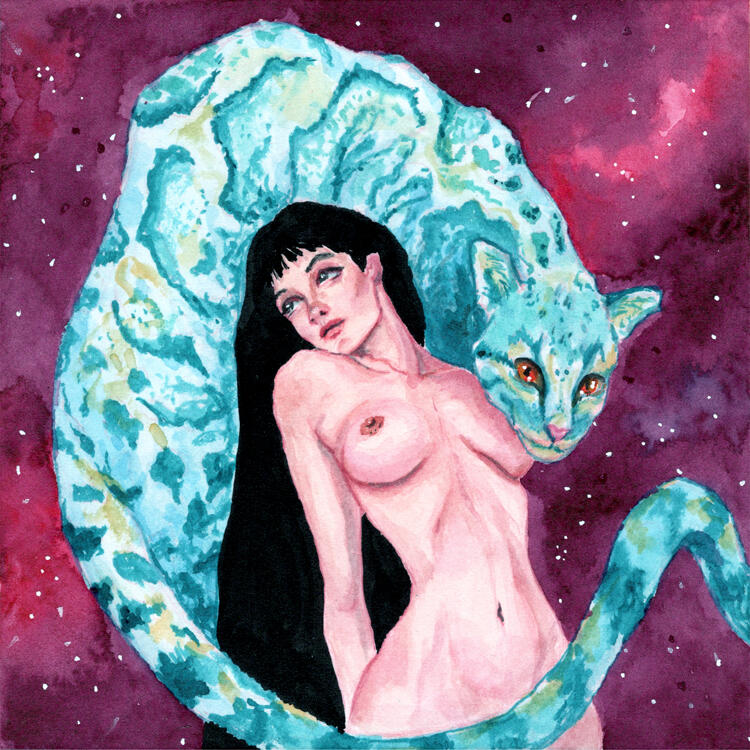
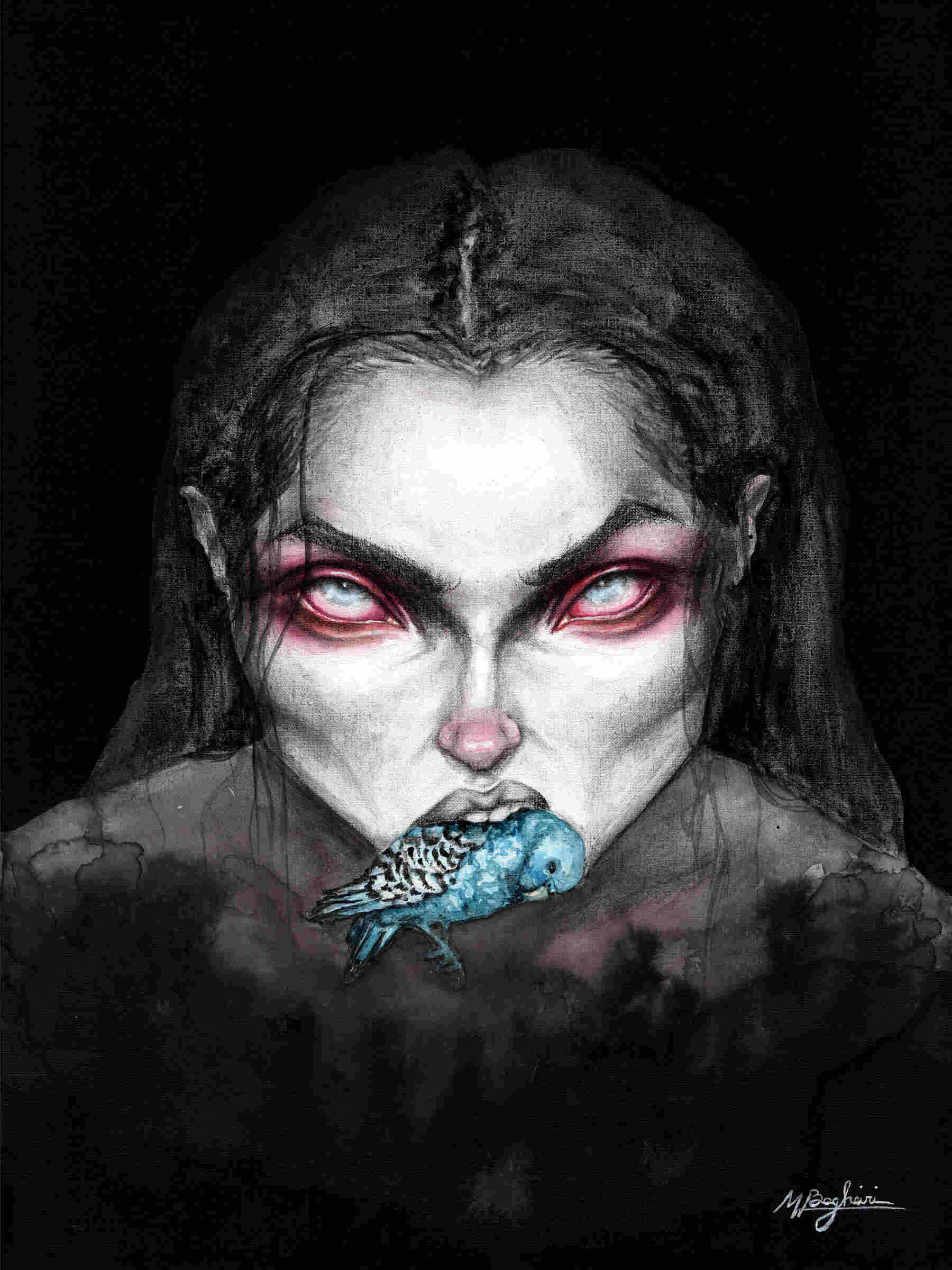
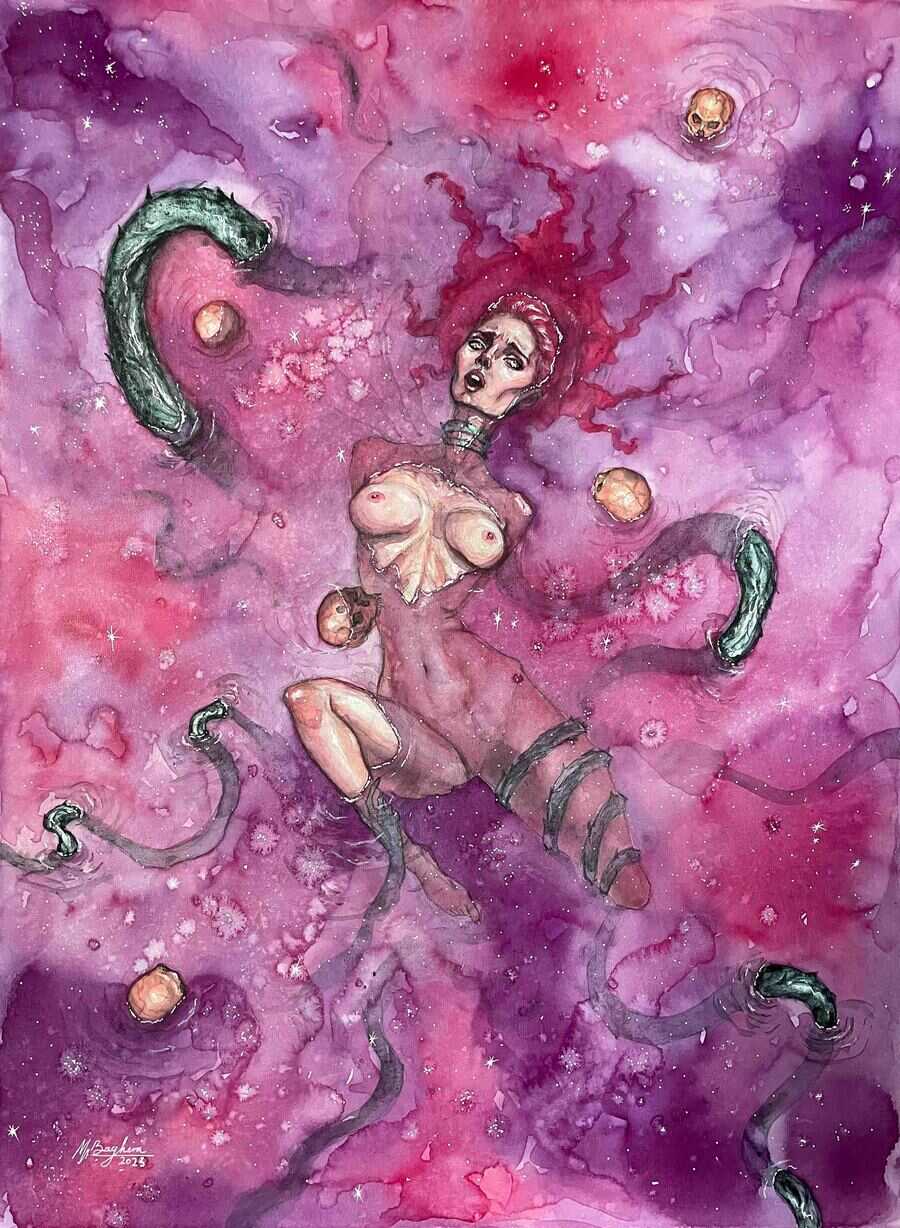
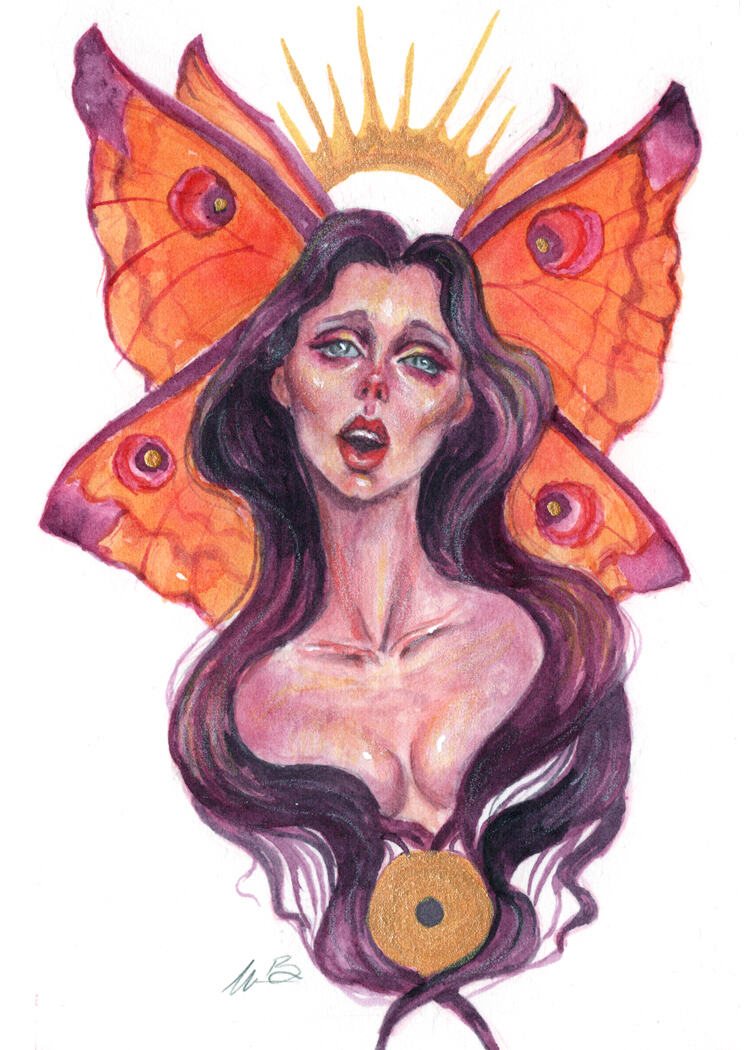
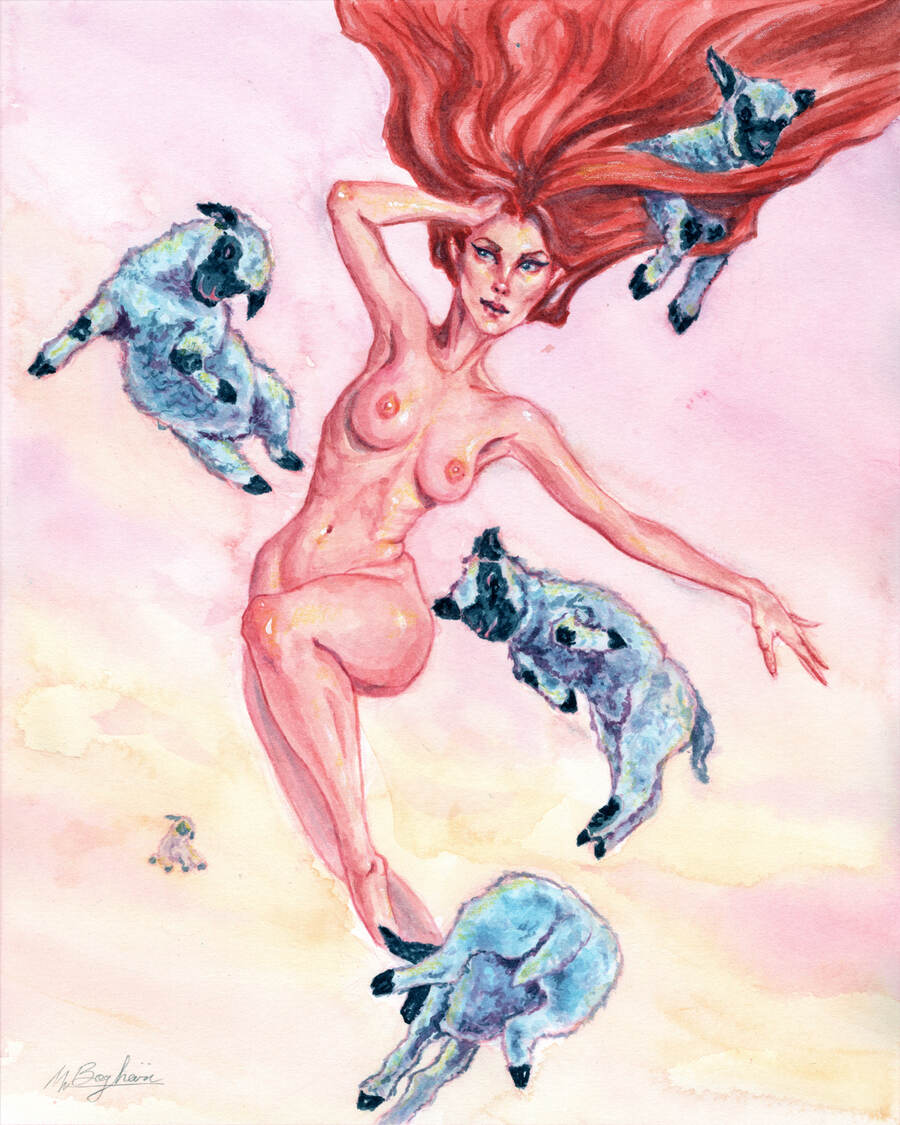
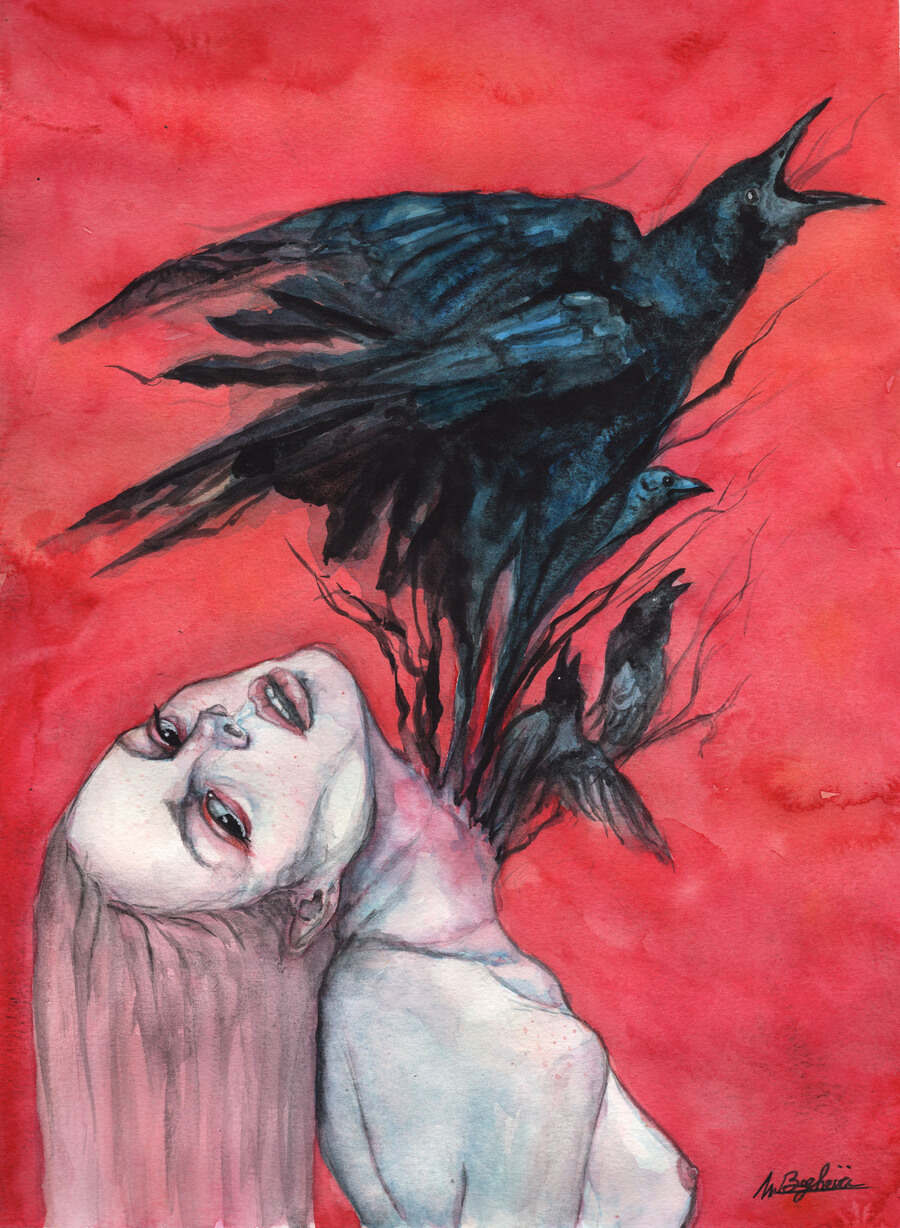
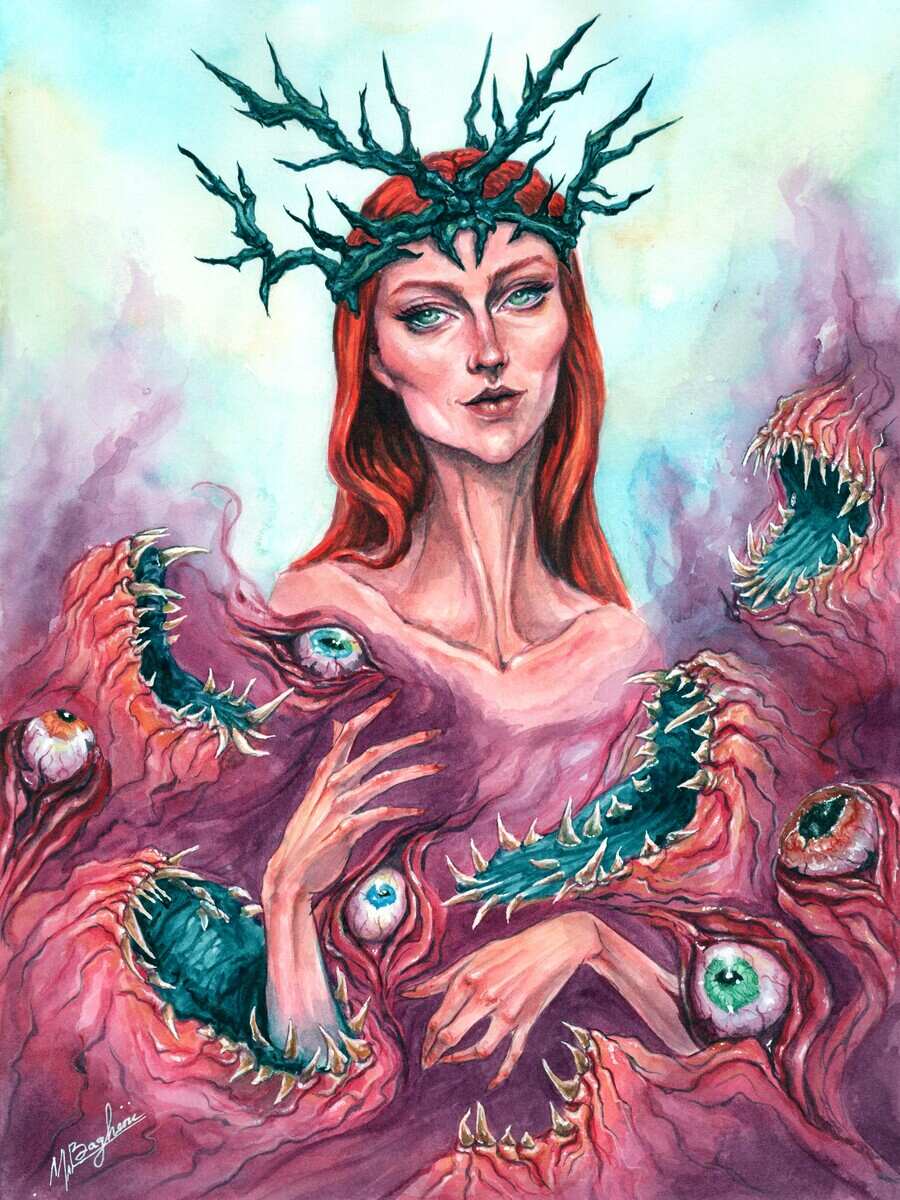
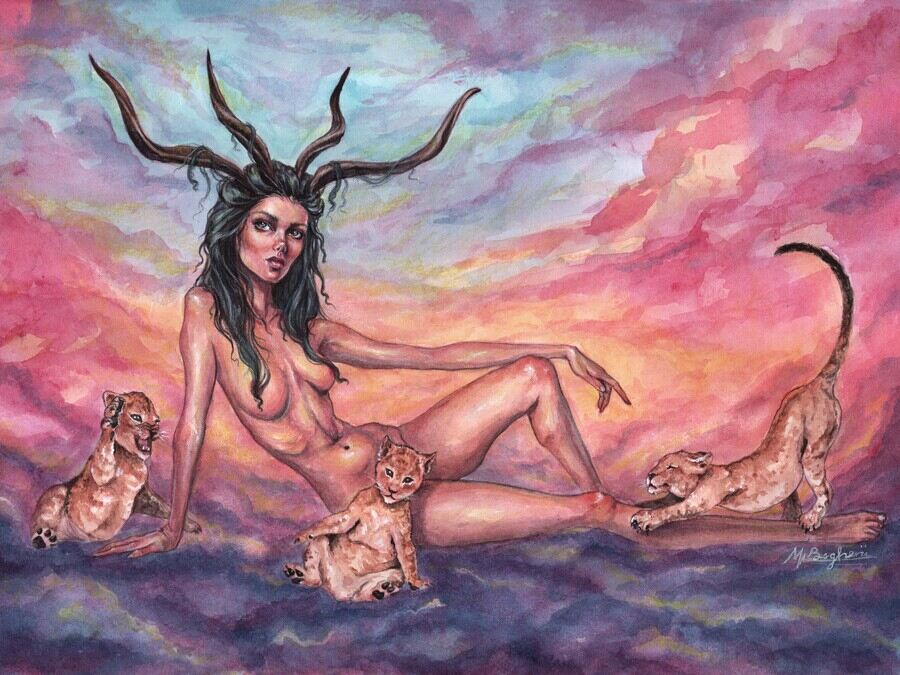
Surreal watercolor paintings. My work revolves around personal experiences, emotions and inner states of being. I use paintings as a way to confront, process, and make sense of the world around me. Visually or conceptually, my pieces often contain paradoxes — a mix of beauty and darkness — because emotions are layered, contradictory, and difficult to decipher. Through my art, I try to express what it feels like to see the world through a deeply personal lens.
The women in my work are often nude — not for sexual or vulgar reasons, but for something more meaningful. These figures mirror my own vulnerability. As I try to reveal my soul to the world, they reveal themselves too — unfiltered, unhidden, and bare. Their thin frames and visible rib cages are not an aesthetic ideal, but a symbol of fragility, of being exposed and emotionally raw.
I hope viewers can see parts of themselves in these women, and through that, find space to reflect on and navigate their own complex emotions.
What is your biggest pain point as an artist?
Self-censorship and the constant struggle to silence the doubtful, self-conscious voice in my head. I grew up in a society where hiding your true self was part of survival — where self-censorship wasn’t just expected, it was necessary.
No matter how much I try to break from it, it still creeps into my practice, often without me realizing it. It shows up in the form of doubt — about myself, my artistic direction, and even the ideas that spark excitement at first but end up discarded too soon. I’ve likely abandoned many paintings that could have become something meaningful.
Now that I’m more aware of this pattern, I’ve started making intentional choices to challenge it. My first step is learning to silence overthinking and trust my creative instinct. I began by revisiting my sketchbooks and painting directly from rough ideas — no judgement, no hesitation. Whether the results are amazing or a mess, I want to give them space to exist. They deserve that chance.
Tell us about an important life moment that influenced the direction of your work, and how.
Early in my career, I made a choice that taught me one of the most important lessons in my artistic journey. There was a well-known exhibition in Austin, Texas that I deeply wanted to be part of. Wanting to increase my chances, I abandoned my personal style and subject matter and instead mimicked the popular aesthetic the gallery typically showcased. I was accepted into the show, and I was certain I’d sell — something that would have likely happened under other circumstances.
But to my surprise, not only did I not sell a single piece — my work failed to leave any impression at all. As I stood there looking at those paintings on the wall, I saw what was missing. They lacked soul. As painful as that experience was, it gave me a lesson I’ll never forget: never compromise my voice. From that point on, I decided to be unapologetically myself in my art and not to do a disservice to my work ever again. I realized that when I pour my soul into a painting, it resonates — people feel it, and I feel fulfilled in return.
How has social media changed your practice?
In the beginning social media was an incredible tool. It helped me connect with my very first collectors and galleries, share my work with a broad audience, and access opportunities I may not have reached otherwise. But as my art matured and I found a clearer sense of direction, the scrutiny began. Social media hasn’t exactly been kind to me lately. Because of the nature of my work — particularly the subjects I explore — I’ve had to deal with bans, shadowbans, and limitations that made it harder to reach people.

These restrictions added another layer to the self-censorship and doubt I was already battling. At one point, if I sensed a painting might get flagged or banned, I’d stop myself from even making it. My ideas started shrinking to fit invisible guidelines. Not only did that limit me creatively, it also kept my work from reaching the people who might have connected with it most.
At first, the whole thing was deeply frustrating. I’m not proud of it, but I went through a phase of rebellion — intentionally posting work I knew would push boundaries, even if it meant getting heavily restricted. Eventually, though, I shifted my perspective. Instead of seeing social media as an obstacle, I started treating it like a creative challenge.
I still believe it has the power to open doors — I’ve seen it happen. But I’ve also learned not to treat it as the be-all and end-all. It’s just one of many tools in my toolbox. The key is to stay true to my voice while learning to navigate its limitations with intention.
Join cutting-edge artists from around the world
The Beautiful Bizarre Artist Directory is a powerful tool for artists looking to grow their visibility, and connect with fellow artists, curators and collectors. To join the Beautiful Bizarre Artist Directory click here for more information.