It’s one of the major pillars of being an artist. One of the overarching questions which hangs over those who want to reach that next step on their journey of evolution. How do you feel when the question arises: how do I price my art?
This is a question which the Quarantine Events team have been asked. A lot. So often, in fact, that the team felt the need to sit down, gather their combined expertise, and truly answer this question. In Part 1 of How to price your art: no-nonsense advice from Quarantine Events we delve into the all-important angle pertaining to your mindset – because your mindset is a fundamental core which affects everything.
Welcome to: “How to Price Your Art”: Understanding the right mindset
Quarantine Events are pretty confident that they can help you. “You’ll stop pricing blindly, confusing effort with value, and hiding behind the myth of the misunderstood artist.” States Carles Gomila, the Founder of Quarantine Events. “And then, you’ll know exactly the emotion you’re selling, you’ll have a clear ground rule for setting prices, and you’ll build a system to raise them – without getting cocky or dropping your pants.”
Let’s start with a serious question: Is your latest painting priced the same as those from three years ago?
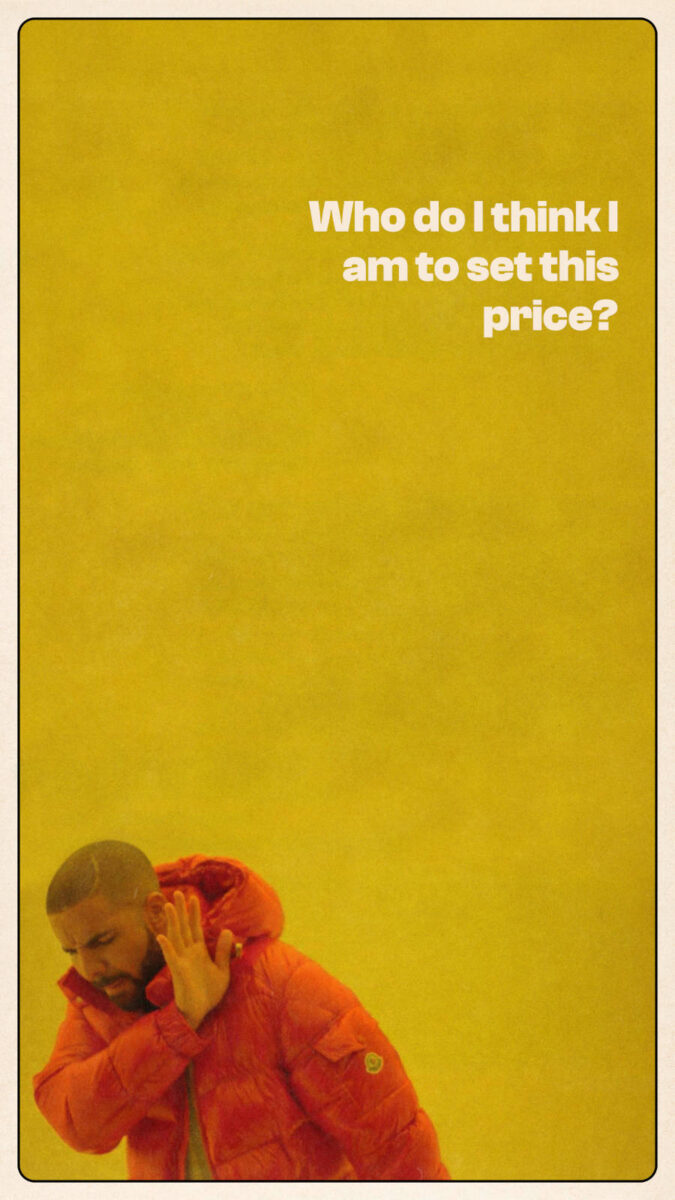
Ninety percent of artists price like they’re begging for a handout. Because every time they write a number, they’re unknowingly answering this question: “Who do I think I am to set this price?”
That question is a virus. It infects the price, the piece, any dialogue with the buyer… everything.
Carles Gomila, Founder of Quarantine Events
Why? Because when your artwork leaves its private shelter and goes up for sale, something shifts. It’s no longer just what you made; it’s also how much you believe it’s worth. And, by extension, how much you believe you are worth… So, what does your price say about your self-worth in this very moment in time? What is your mindset reflecting about yourself?
“It’s like walking out into the world with your guts in your hands, saying: ‘This is what it costs to be me’.” Carles stresses. And that’s where the doubts begin:
- What if nobody pays that much?
- What if I ask too much and they realize I’m an impostor?
- And if I ask less, so as not to make a scene?
When fear sets the price
“Some artists inflate prices to look important. Others slash them out of fear of rejection. In both cases, the price doesn’t come from clarity – it comes from fear.” Explains Carles. “Some inflate to protect the ego, like wearing armour to shield something fragile. Classic beginner move: sky-high prices to hide the terror of seeming insignificant.
“Others lowball to avoid rejection, because they don’t want to bother anyone or have to justify themselves. This is a classic long-time artist move: ask the bare minimum out of fear that nobody will buy – take nearly anything just to ‘stay in the game’.”
The price turns into an emotional response, not a strategic decision. You’re not pricing your art; you’re pricing your fears and complexes.
If this is sounding horribly familiar, Quarantine Events has some key advice for you:
- When you sell from fear, the price sounds like a plea. Neediness reeks.
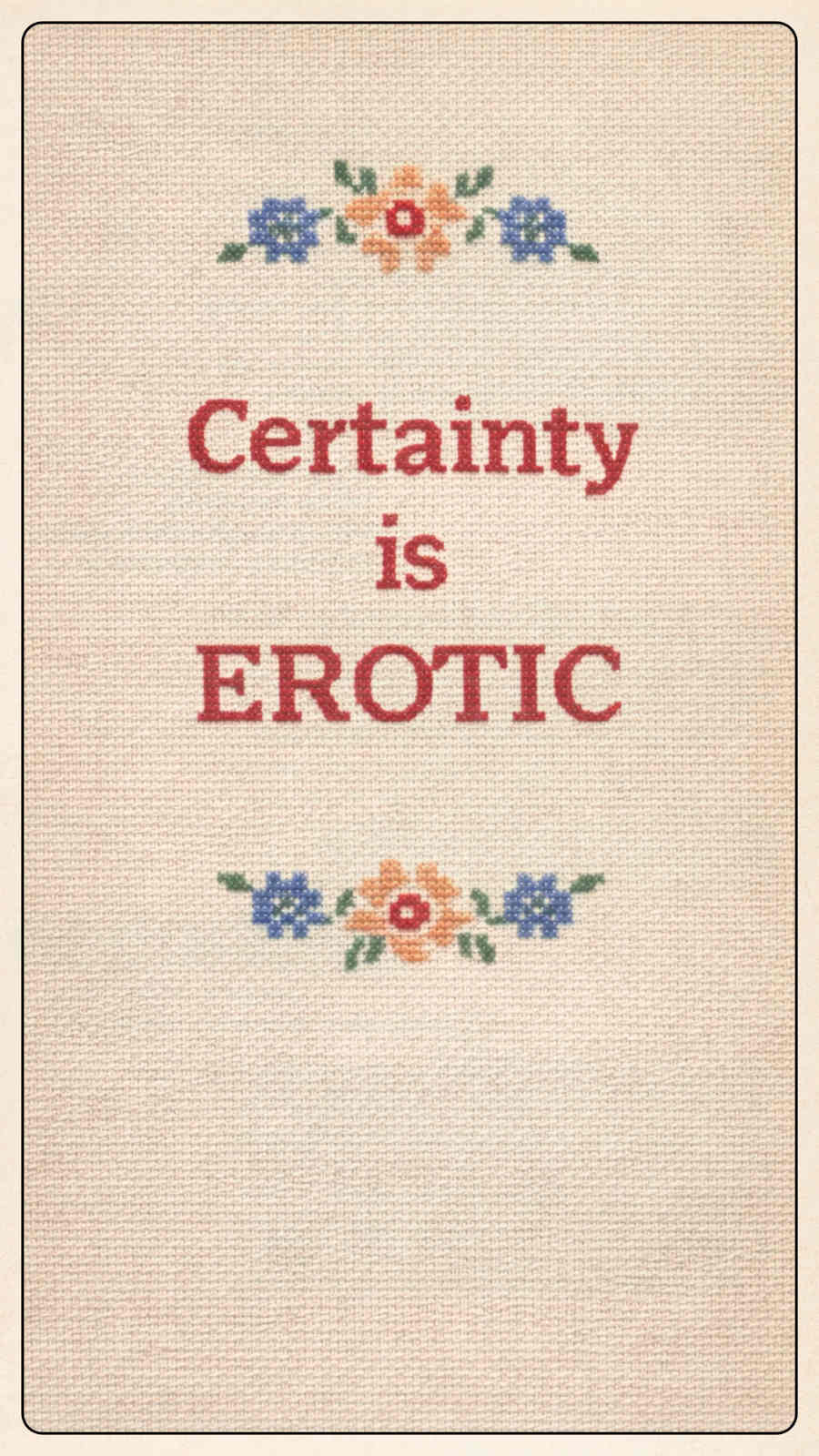
- When you sell from clarity, the price is conviction. Certainty is magnetic, electric, and erotic.
What your price actually says
How you price your artwork for sale doesn’t tell people how many hours you worked, your degrees, or how hard you tried. It communicates how you value yourself – and whether you can hold that valuation with unshakable conviction.
People sense this instantly.
Every number exposes who you are, what you fear, and what you’re willing to defend, based on the image you hold of yourself. So ask yourself: what does that number say about you?
Carles and the team can’t stress enough the importance of self-confidence. “The market doesn’t reward the one who tries the hardest; it rewards the one who conveys the most truth with the most conviction. It’s a lot like dating: effort doesn’t count; confidence does.
“No one is going to pay for your effort. They WILL pay to step into your world. And if you don’t have absolute conviction that your point of view has value, why should your audience?”
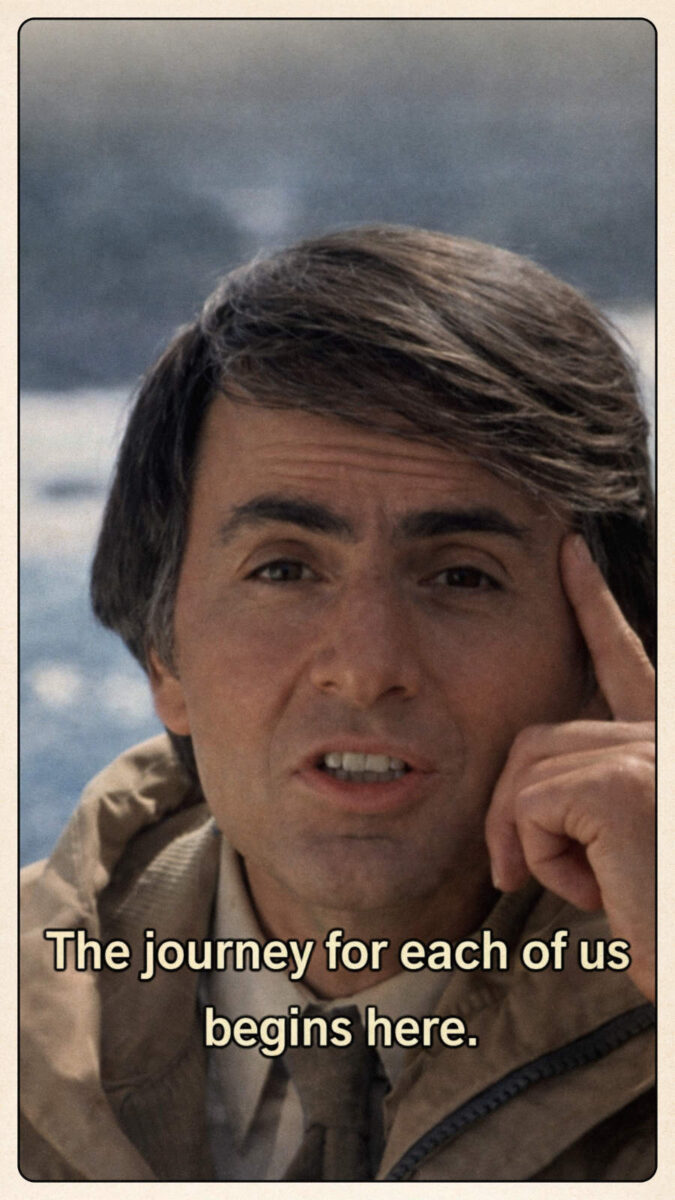
So, what’s the criteria for setting prices? Carles smiles: “The journey for each of us begins within the mind. Let me tell you a story…”
The Trojan Horse
“The city of Troy seemed impossible to conquer – towering walls, soldiers everywhere. The Greeks tried for ten years and got nowhere. Then they devised a brilliant strategy: pretend to surrender. To sell it, they’d offer a gift: a giant wooden horse, which of course concealed soldiers within.
“They hired a craftsman to build a horse big enough to hold men, and beautiful enough to work as bait. The craftsman began fitting boards. Sanding. Polishing. Decorating. He adds filigree. Perfect carvings. Coats of varnish. His excitement grows as he pulls all-nighters, tweaking the curve of the neck, smoothing the grain…
When he’s finished, the horse is a masterpiece, no doubt. The camp applauds, and the beauty of the finish is the talk of the town. So of course, Troy’s gates open. They drag the horse inside…
Then, the blunder drops like a bucket of ice water: “Crap… where are the soldiers?”
The guy was so obsessed with the horse, he forgot to put soldiers in it. End of story.” He pauses for a moment to let the narrative sink in. “Now, I want you to think about something:”
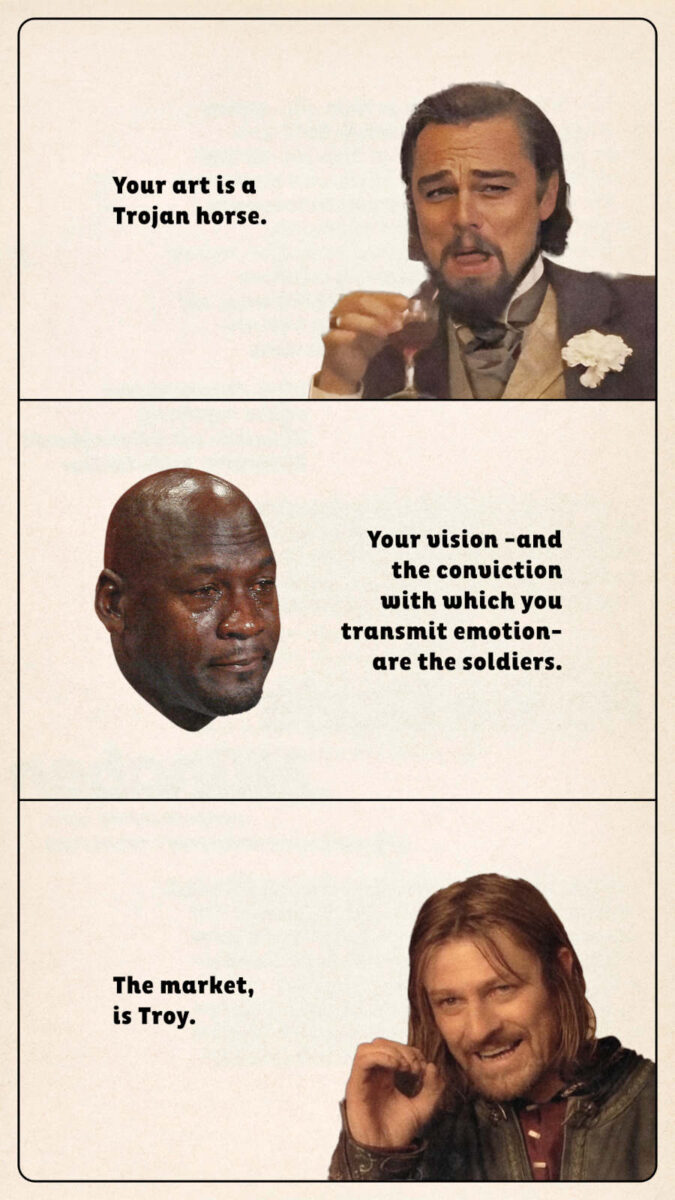
“A perfect horse with nothing inside is worth its wood, its hours, its effort. Decorative, certainly – but its price will never exceed its production cost. Now, a well-made horse stuffed with trained soldiers? That’s WORTH AN ENTIRE CITY.
“You can spend your life sculpting perfect horses through virtuosity.” Carles continues, “But if they’re empty, they conquer nothing. Other artists might admire them; but the market will take a pass. What gets you paid isn’t the form – the messenger, the horse, the artwork… What gets you paid is what it contains. What you communicate through the work.

“If your work only screams, ‘Look how hard I tried, pay me for that’, the price stalls at effort. If it transmits that you need applause, that’s exactly what people perceive. If, on the other hand, your work transmits a real, powerful emotion with a unique gaze and total conviction, the price rests on what makes it vibrate from within. And when that happens, it’s… magnetic. It’s electric. It’s erotic.”
Take a second and reflect: Are there soldiers inside your horse?
The market rewards three particular qualities.
If you want to command higher prices, there are three kinds of soldiers that your work needs:
- A clear, unique, recognizable point of view.
- An incorruptible confidence in that vision.
- A specific and highly contagious emotion.
“A high price is a natural reflection when your vision is sharp, your confidence palpable, and the emotion you spark is undeniably real. The market rewards artists who know what they’re doing and why – and show it with their head held high, without asking permission or hiding behind virtuosity. When that happens, your work stops sounding like ‘see how hard I worked, please validate me’ and starts sounding like ‘take my hand – I’ll lead you somewhere extraordinary’. You’re no longer selling an object; you’re offering a vision capable of taking cities. And prices rise as a natural consequence.”
When your artistic identity gets fuzzy – when what you transmit sounds generic, weak, or predictable – or when you doubt what you’re doing, prices collapse under their own weight. When someone says, “I don’t sell because they don’t get me,” there’s usually something they don’t want to see in themselves.
This claim is an excuse to avoid the two most lethal questions:
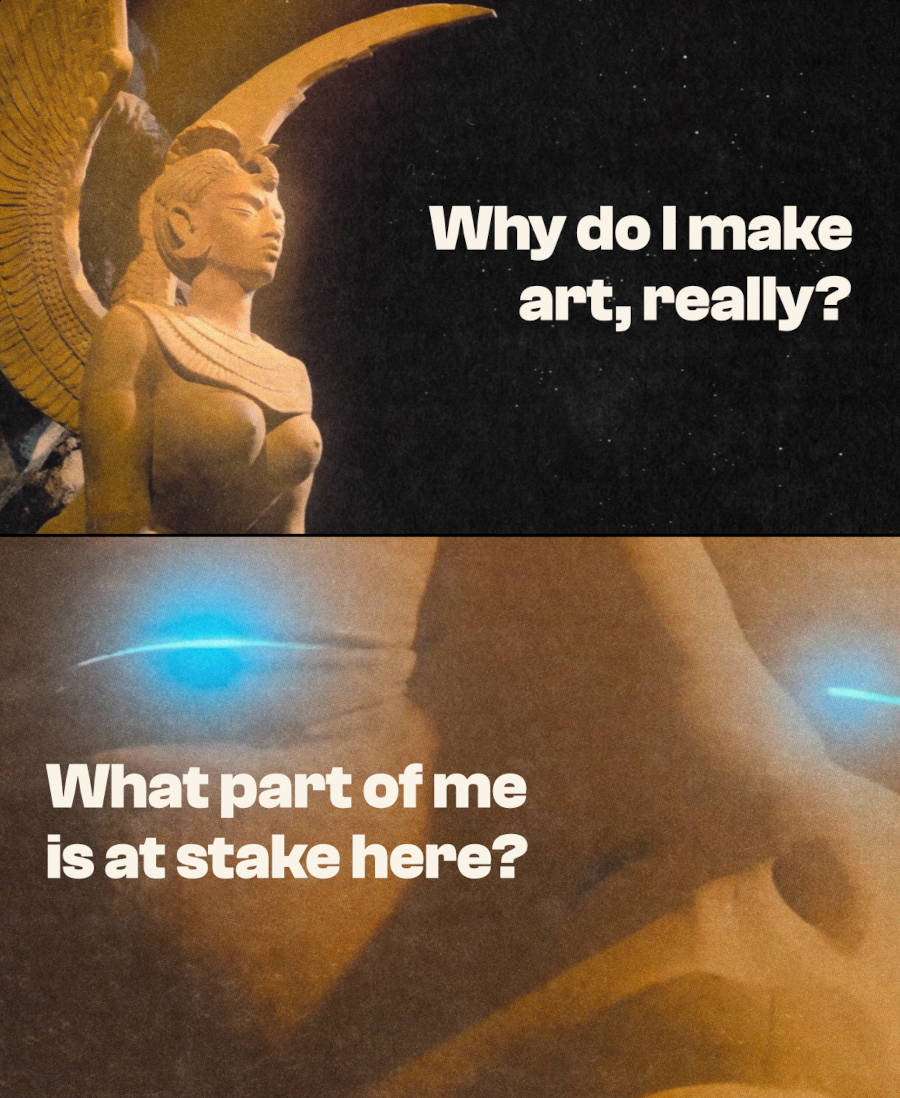
Now ask yourself: Do your soldiers know what they’re fighting for?
If this advice by Quarantine Events is sparking something in you, it means that your mindset is getting into the right gear. The next step is the practical side of pricing your art.
Want to learn more? Are you ready to transform thoughts into action? We will soon be releasing part 2 – but if you can’t wait, we invite you to head over to Quarantine Events website or email them for their full guidebook. They’re a lovely and friendly team, really! With free downloadable PDFs or a free audiobook alternative (in both English and Spanish), you can enjoy more free art advice – and much more…
Quarantine Social Media Accounts + additional blogs
Website | Instagram |Artist tips on emotional technique | How an Art Retreat Becomes a Social Experiment | Quarantine Events Brutally Honest Oracle
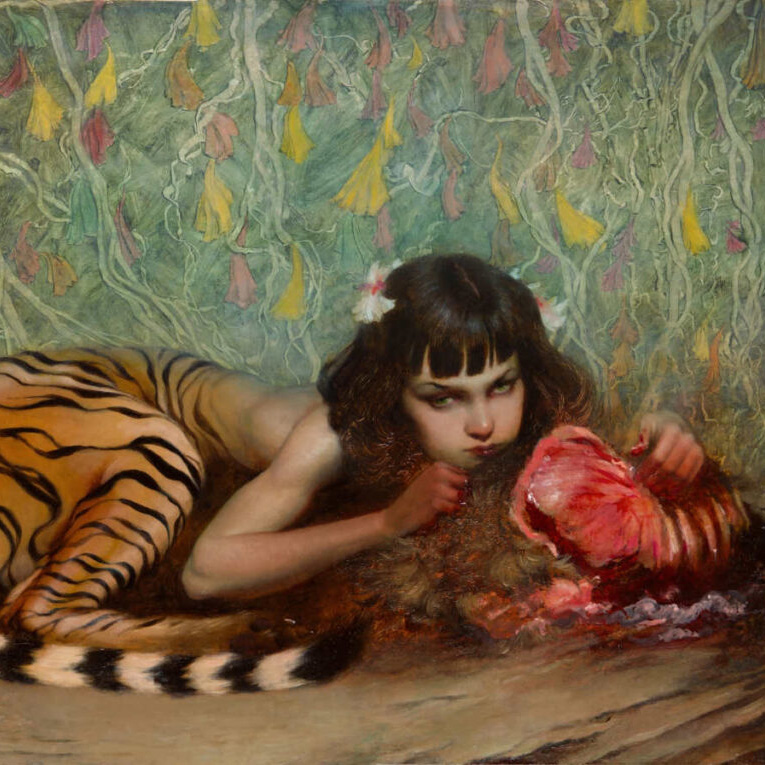
Feature image by artist and Quarantine Events Founder, Carles Gomila.