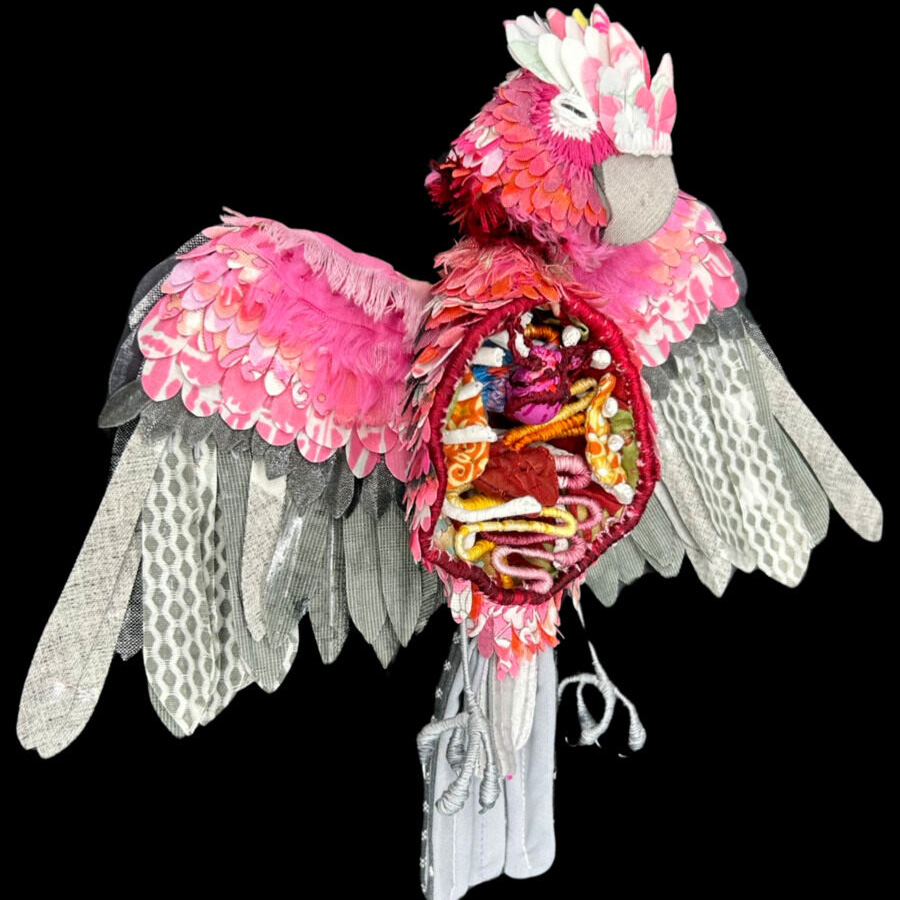
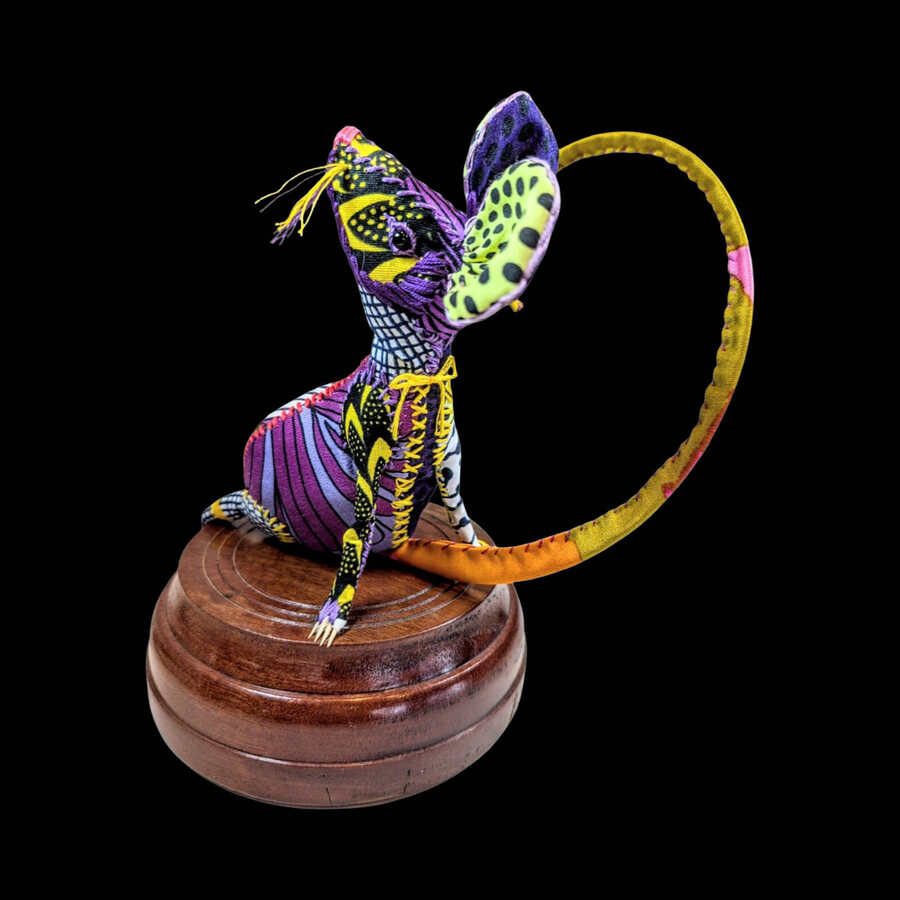
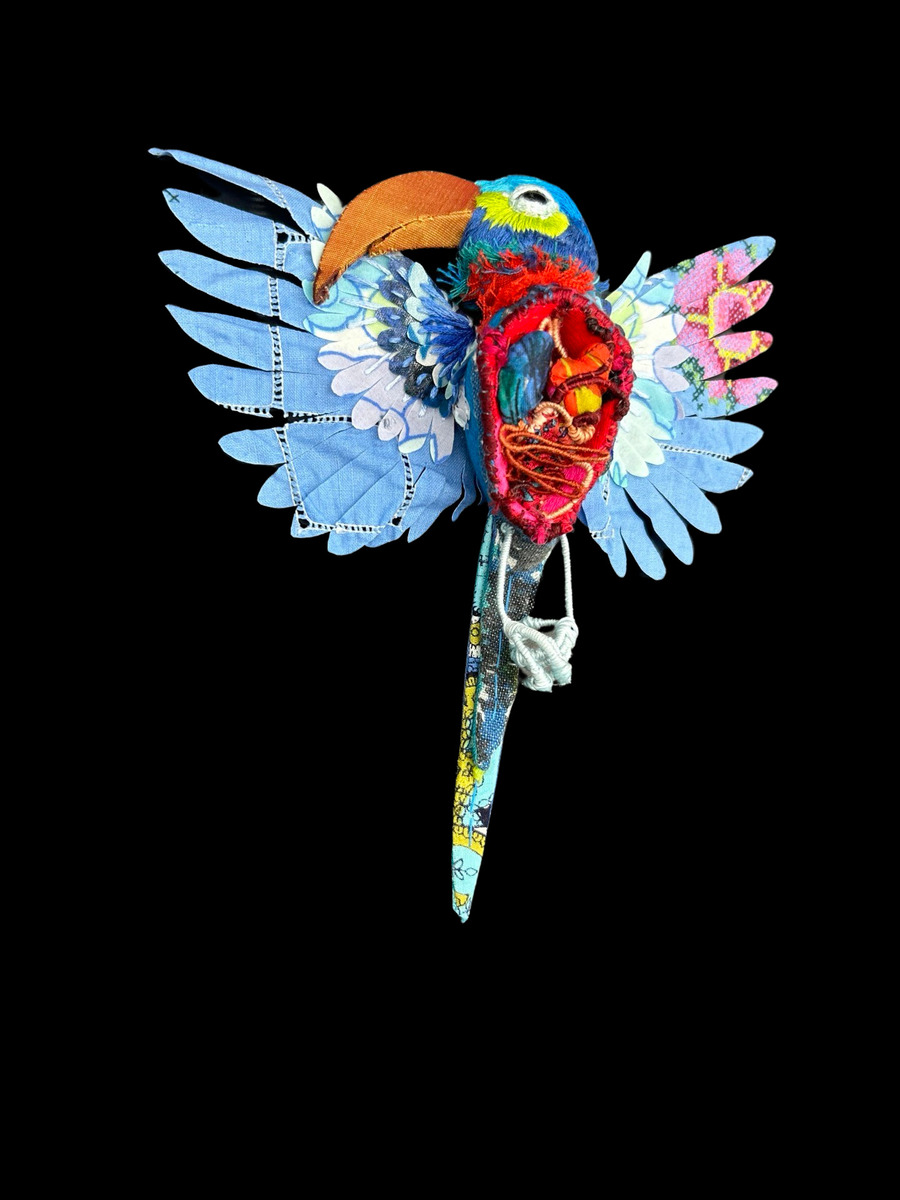
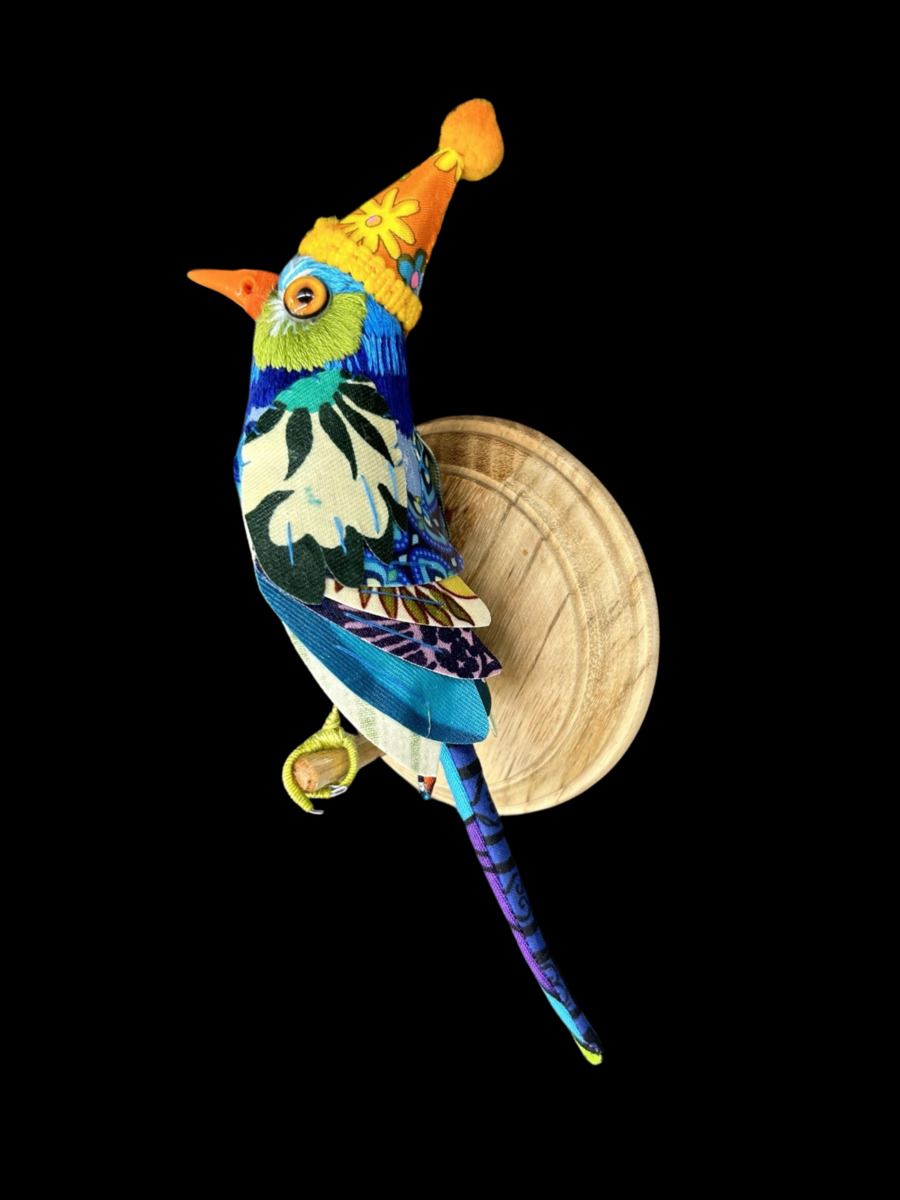
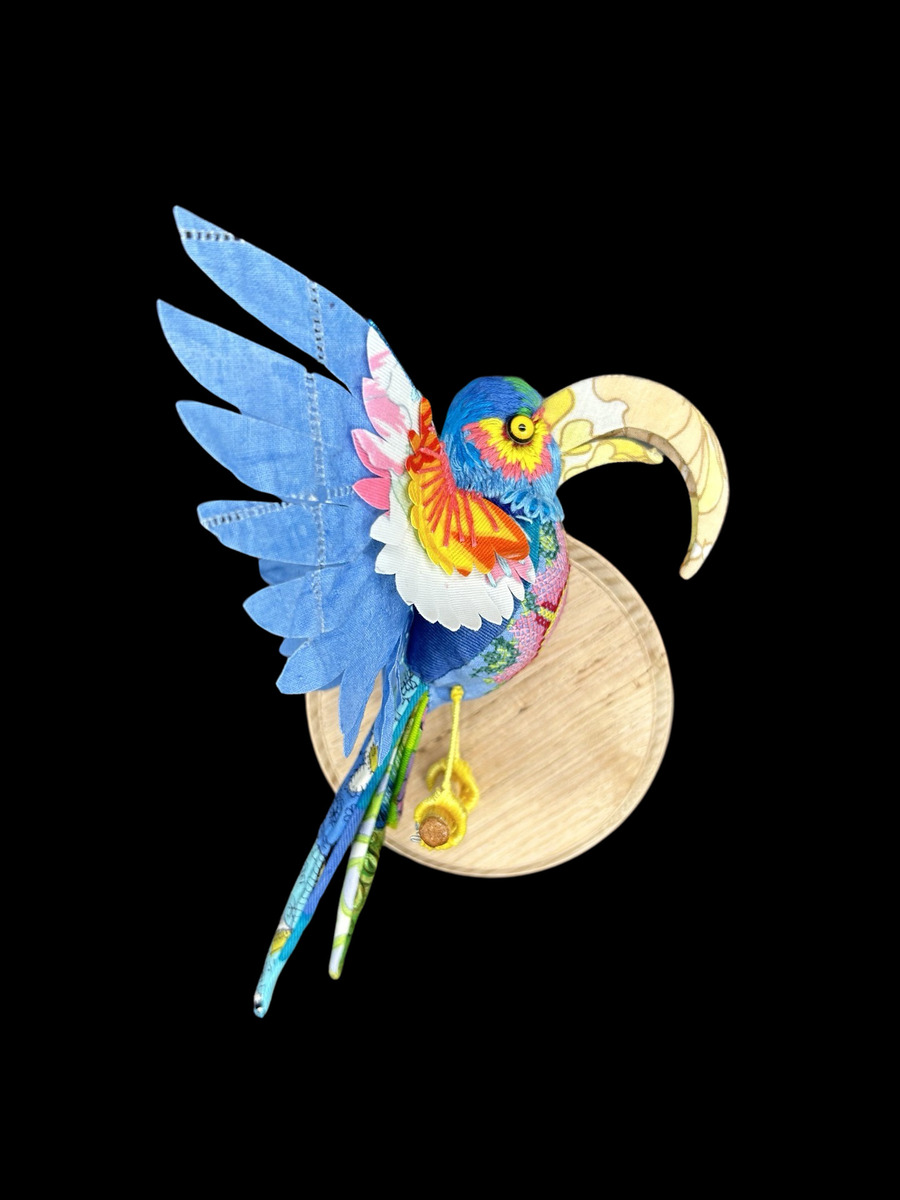
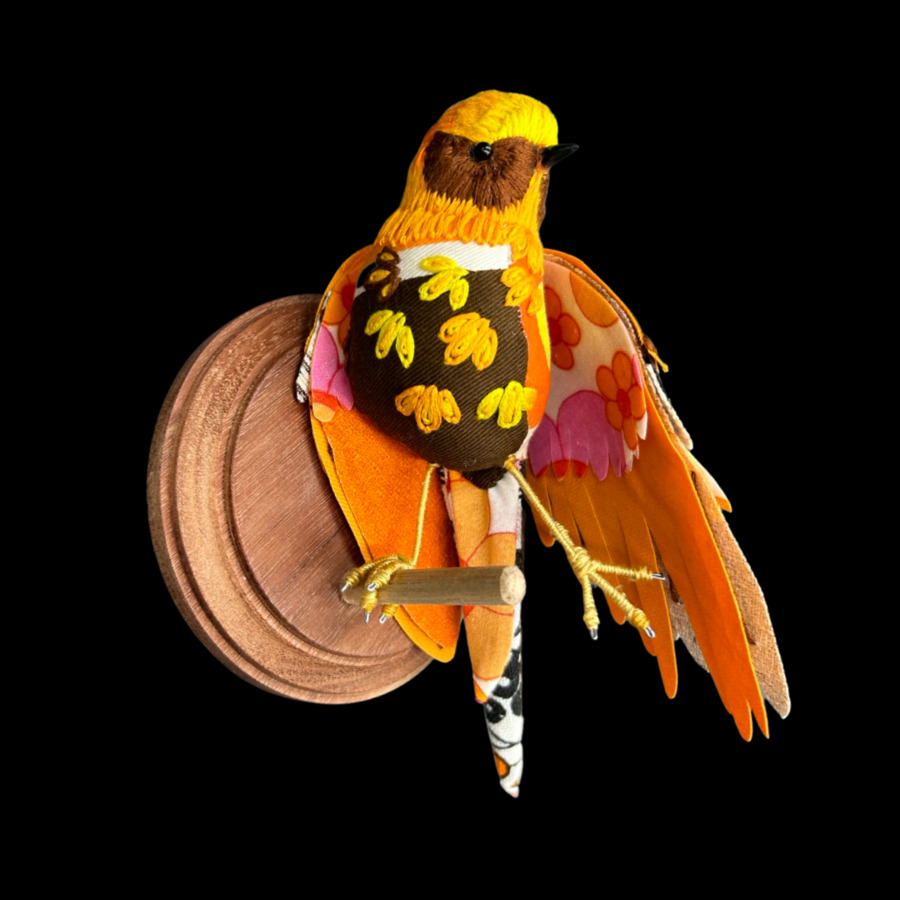
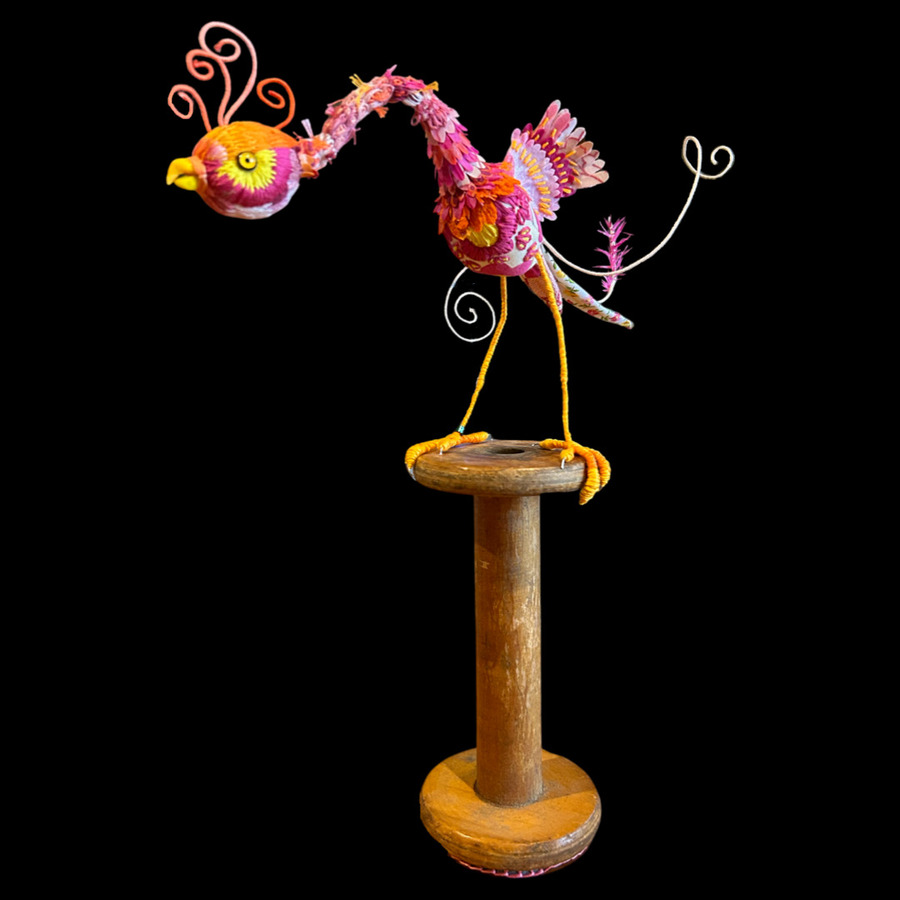
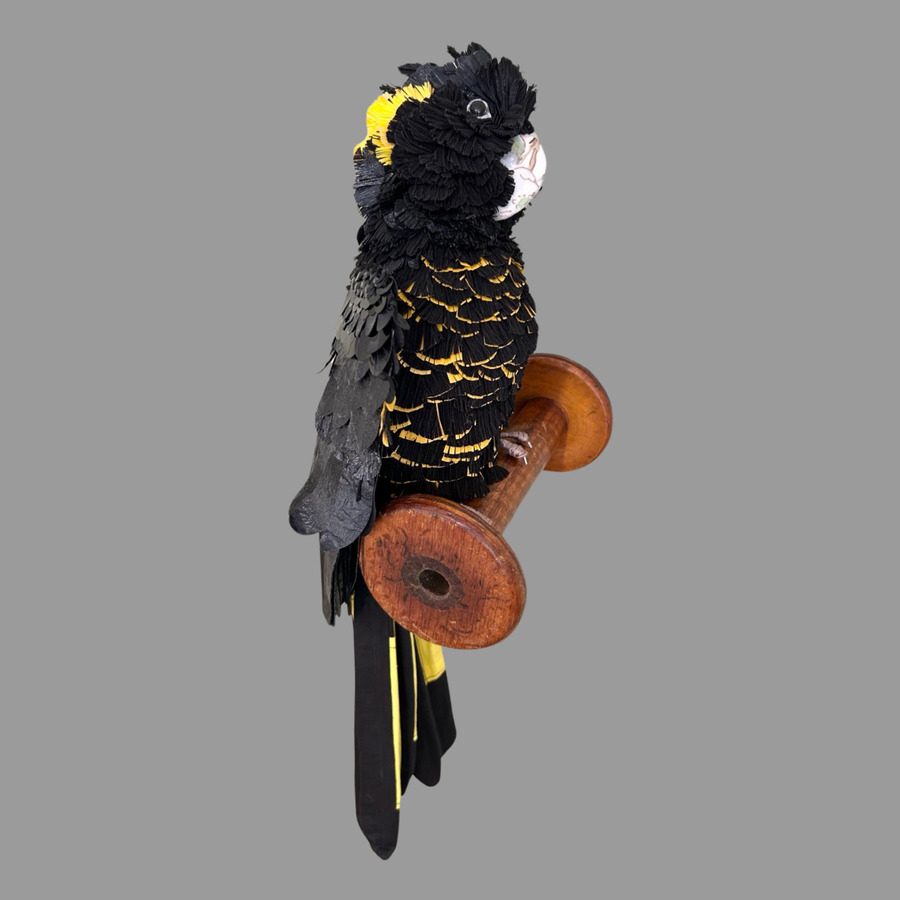
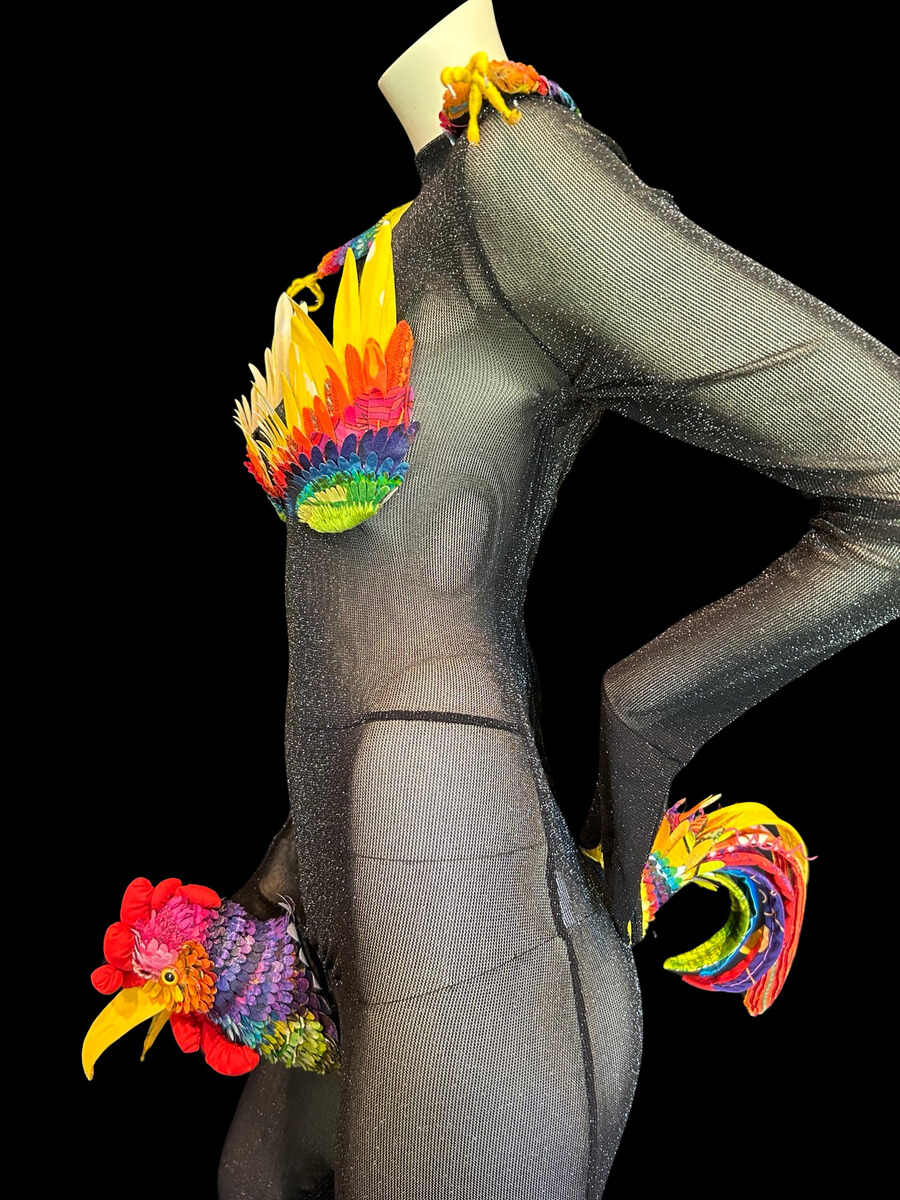
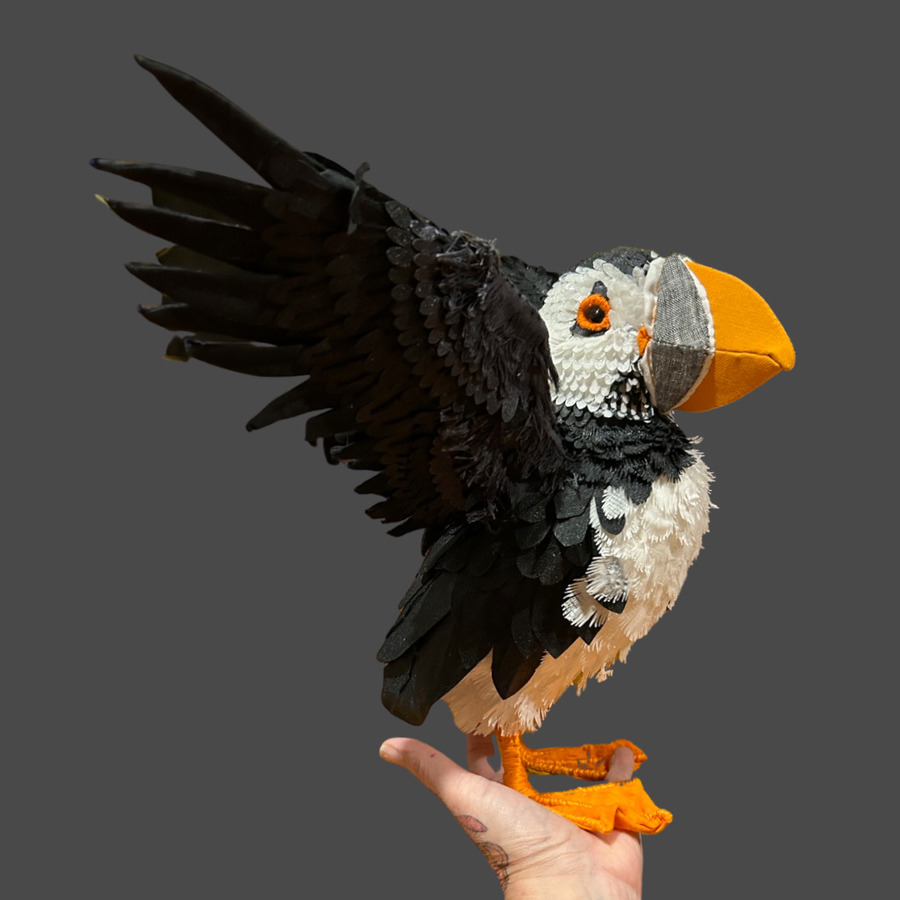
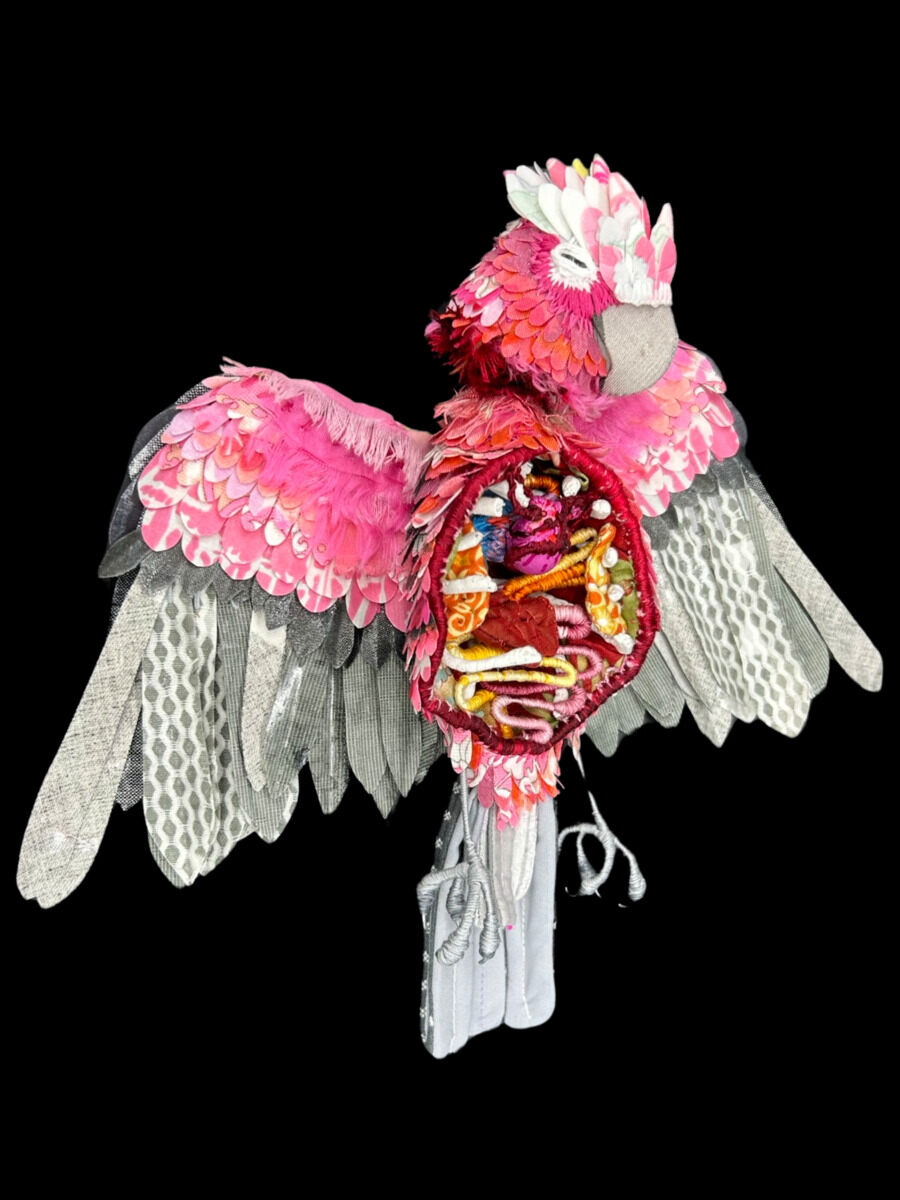
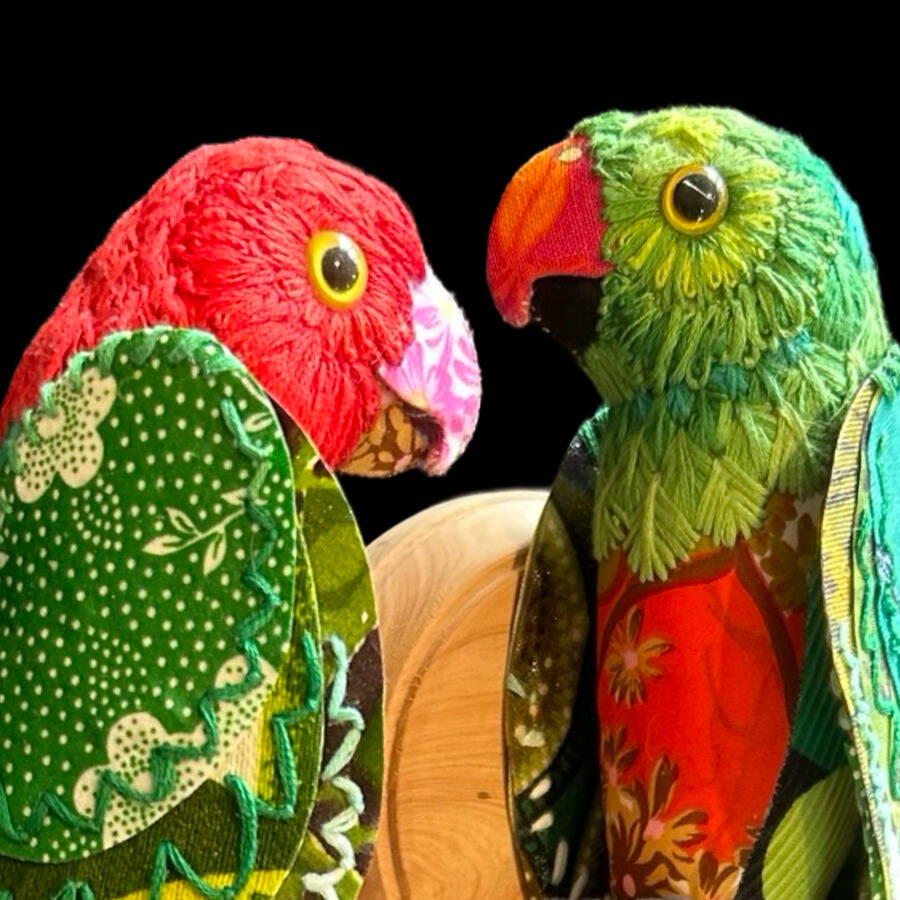
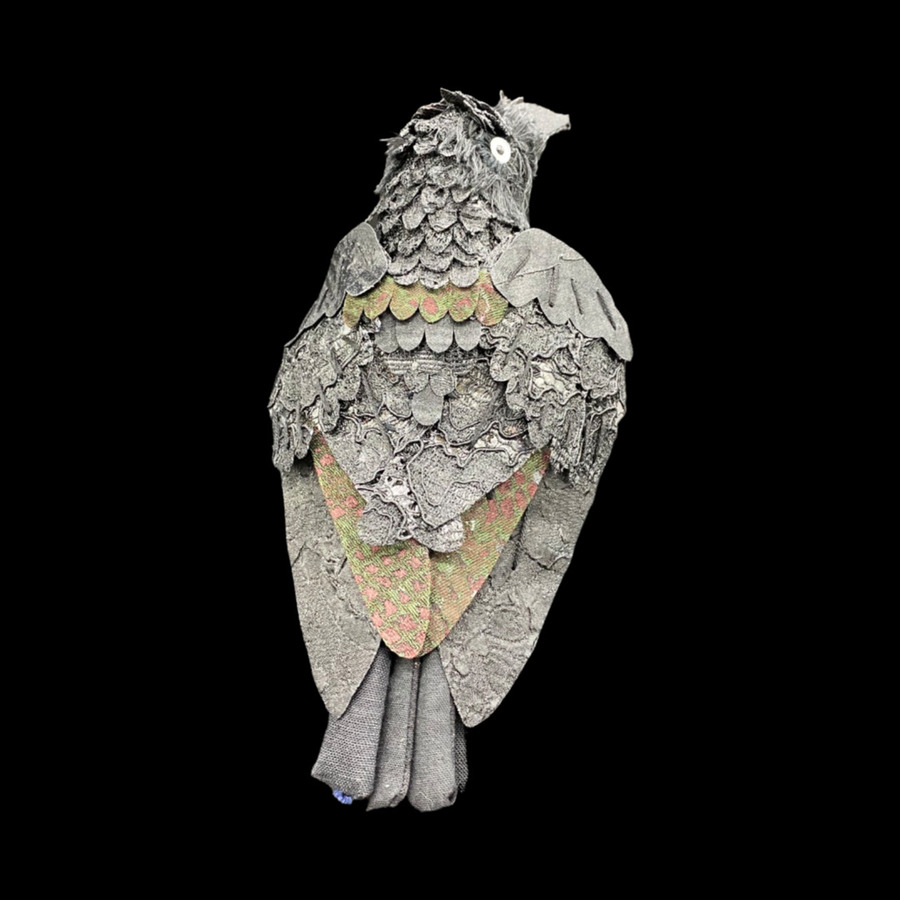
Robyn Lees-West Beautiful Bizarre Artist Directory member provides some fascinating insights into her practice and experience as a textile taxidermy sculptor, as she responds to the questions below:
- How do you maintain your individuality as an artist and avoid being influenced by others in your field?
- Tell us about your earliest memories of creating art and when you first realized that you wanted to be an artist?
- How do you balance your personal life with your art career while ensuring a healthy work/life balance?
- How do experimentation and risk-taking play a role in your creative process?
How do you maintain your individuality as an artist and avoid being influenced by others in your field?
I have so many ideas in my head that I often struggle to find the time to bring them to life. There have been occasions when I really wanted to create something, only to realise it was similar to another artist’s work. In those cases, I’ve reached out to them to make sure they’re comfortable with what I’m planning. If they’re not, it’s back to the drawing board.
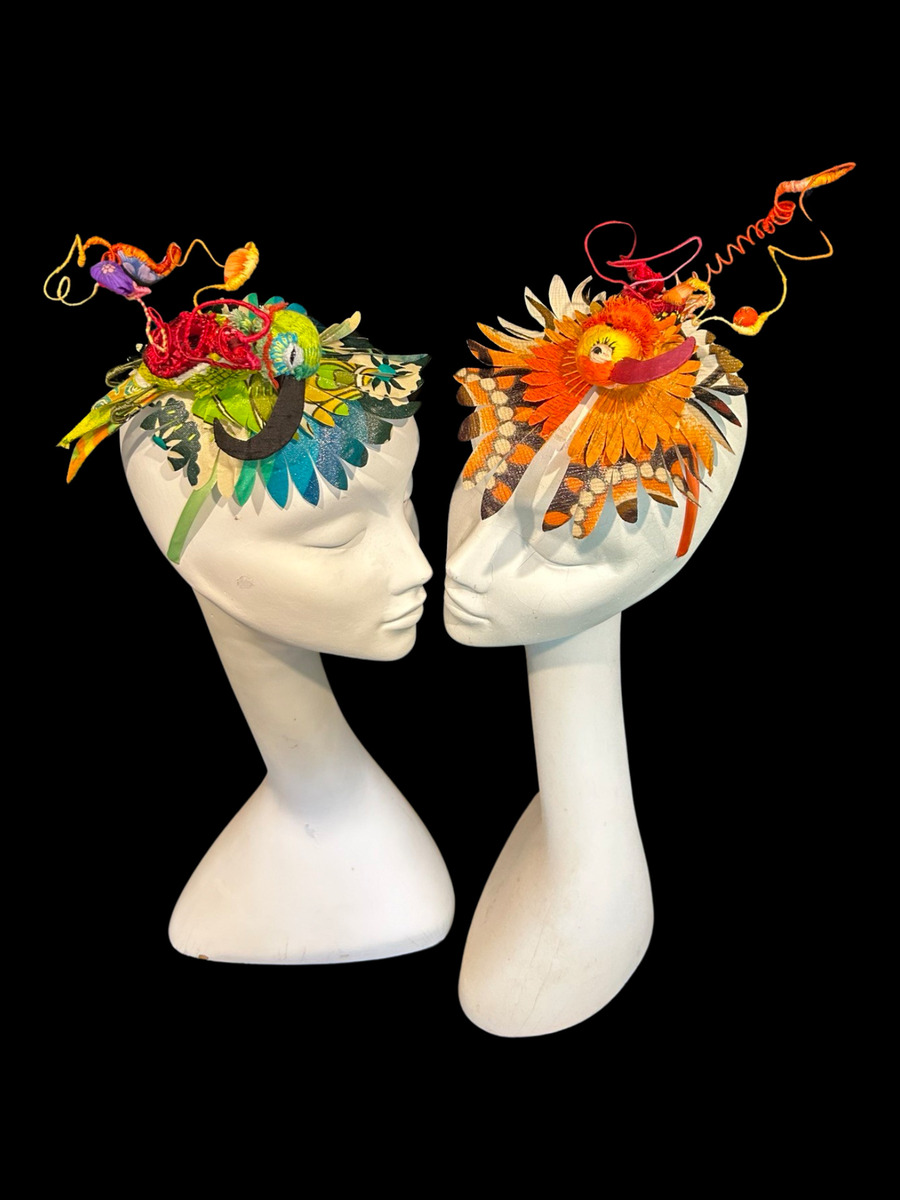
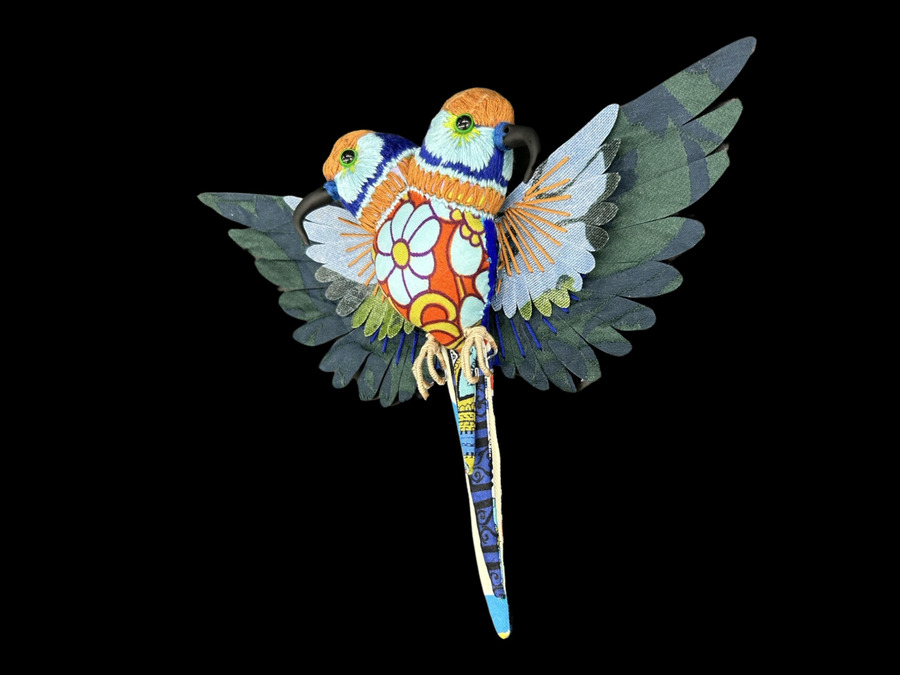
There are certain artists who truly inspire me, such as Annie Montgomerie. Her work has influenced me a lot, even though what we create is quite different. I’m also deeply inspired by the things around me and by my huge hoard of retro fabrics. My mind is a strange and dark place, heavily shaped by the taxidermy museums I was regularly taken to as a child. I think this helps keep my work unique—I love making deceased and dissected birds, or birds in little hats.
Tell us about your earliest memories of creating art and when you first realized that you wanted to be an artist?
My mum always told me I was going to study art. She had been made to study cooking when she really wanted to pursue art herself, and she finally earned her Fine Art degree at the age of 70. Many of my early memories are of sitting and drawing, making kites with my grandad, or sewing random pieces of fabric together with my mum. All my school books were filled with more doodles than actual work.
When I was little, I had a “rainy day box” filled with fabric, beads, tissue paper, and all sorts of materials. I remember being so excited whenever it rained because it meant I could open the box and make a glorious mess. I always knew I wanted to do art. I even wanted to become a tattooist, but I was too scared to tell my parents, so instead I studied wood, metal, and plastics at university.
How do you balance your personal life with your art career while ensuring a healthy work/life balance?
There’s definitely a lot of balancing—though not always successfully! I work as a traffic controller at night and create during the day. Luckily, my kids are old enough to be pretty independent, and my husband picks up the slack around the house. I set daily goals for myself to keep things moving and to meet deadlines, but recently my social media has been a bit neglected. It all feels a bit like spinning plates!

How do experimentation and risk-taking play a role in your creative process?
Risk-taking is a big part of my work. When I get an idea in my head, I can’t sleep until I bring it to life. It doesn’t matter whether anyone wants it or not—I just have to make it. Funny enough, the piece I love the most and spend the most time on is often the one that doesn’t sell. But it still needs to exist.
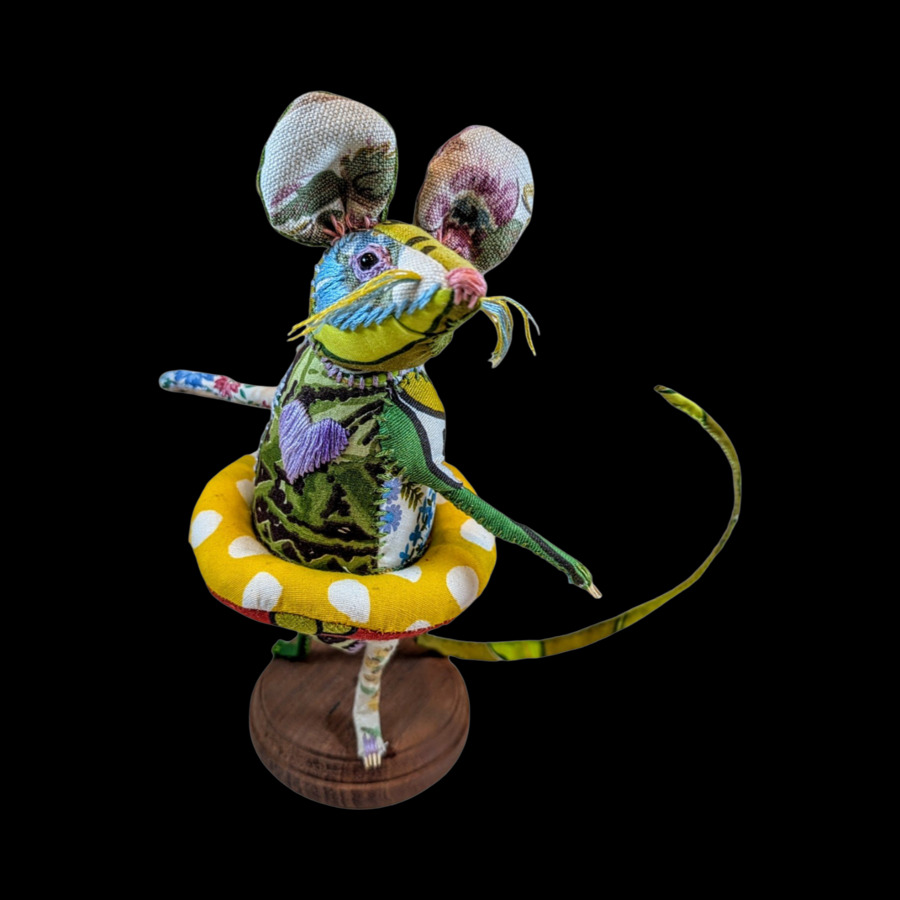
Right now, I have a whole series in my head that I’m hoping to create early next year. I’m so excited about them, even though I have no idea if anyone else will like them. I think of my work as one long experiment. Over time, I keep discovering new ways to make feathers or embroider features, and I love looking back to see how my birds have evolved over the years.
Join cutting-edge artists from around the world
The Beautiful Bizarre Artist Directory is a powerful tool for artists looking to grow their visibility, and connect with fellow artists, curators and collectors. To join the Beautiful Bizarre Artist Directory click here for more information.