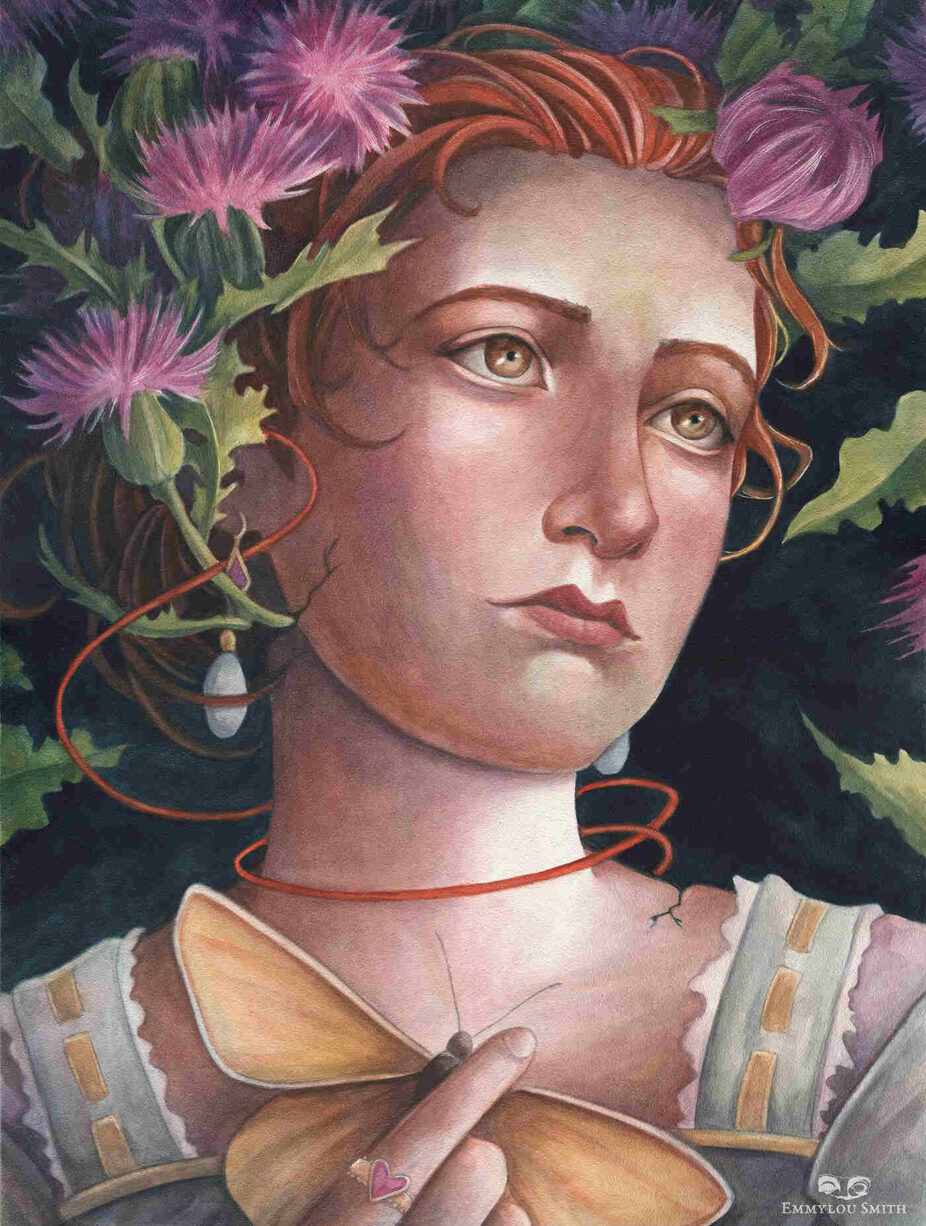
Art and history have such a unique and complex relationship with one another. Much of art itself has become a significant part of history and history has become an endless source of inspiration for artists whether it be a moment in time from 5 years ago or 500 years ago. The years have given way to countless interpretations of many of history’s finest figures alongside the many myths and legends once passed down through word of mouth but have finally been immortalized on canvas. In 2025, this tradition continues forging ahead as American watercolour artist Emmylou Smith continues the unique but often complex task of bringing history back to life.
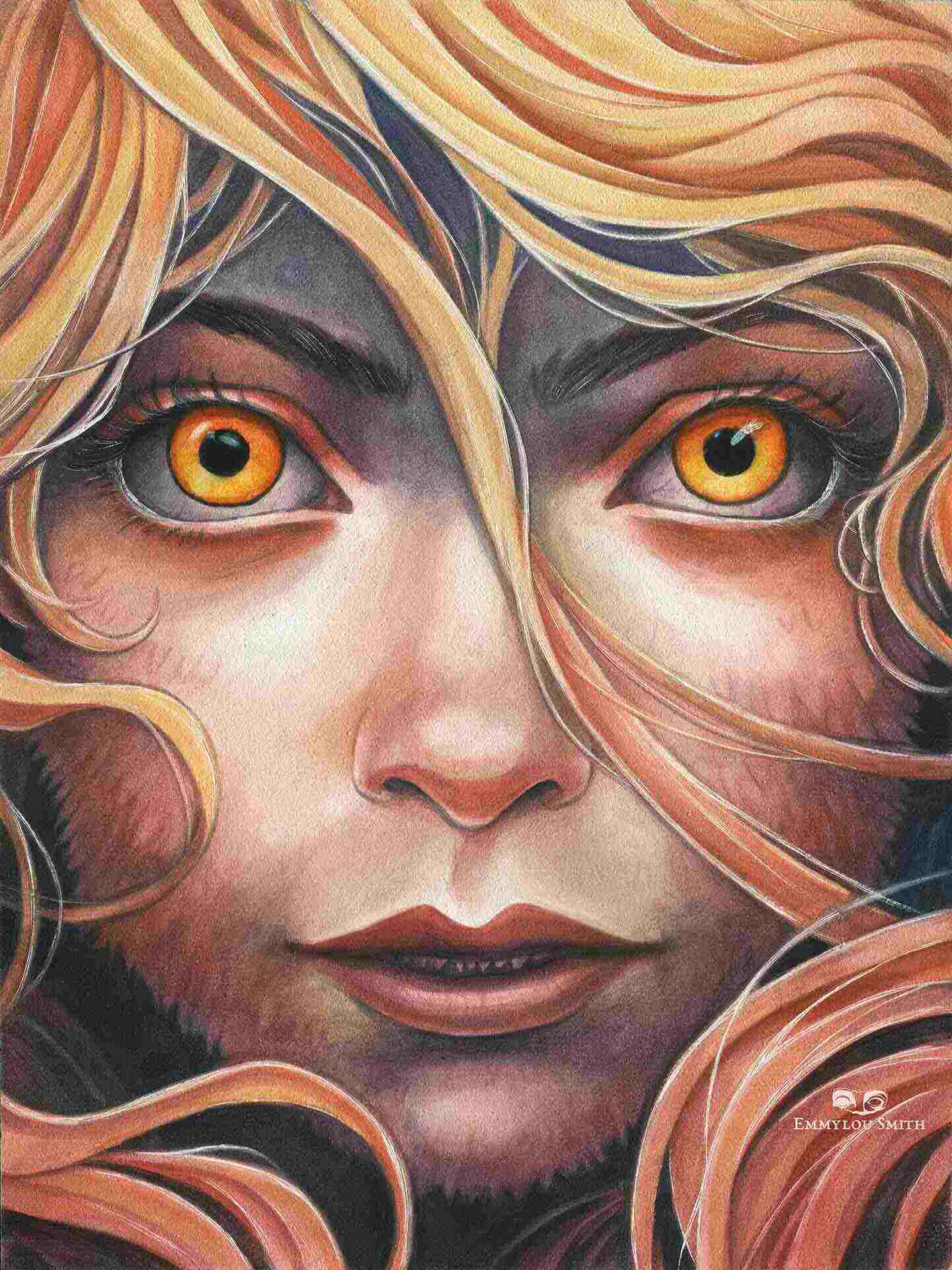
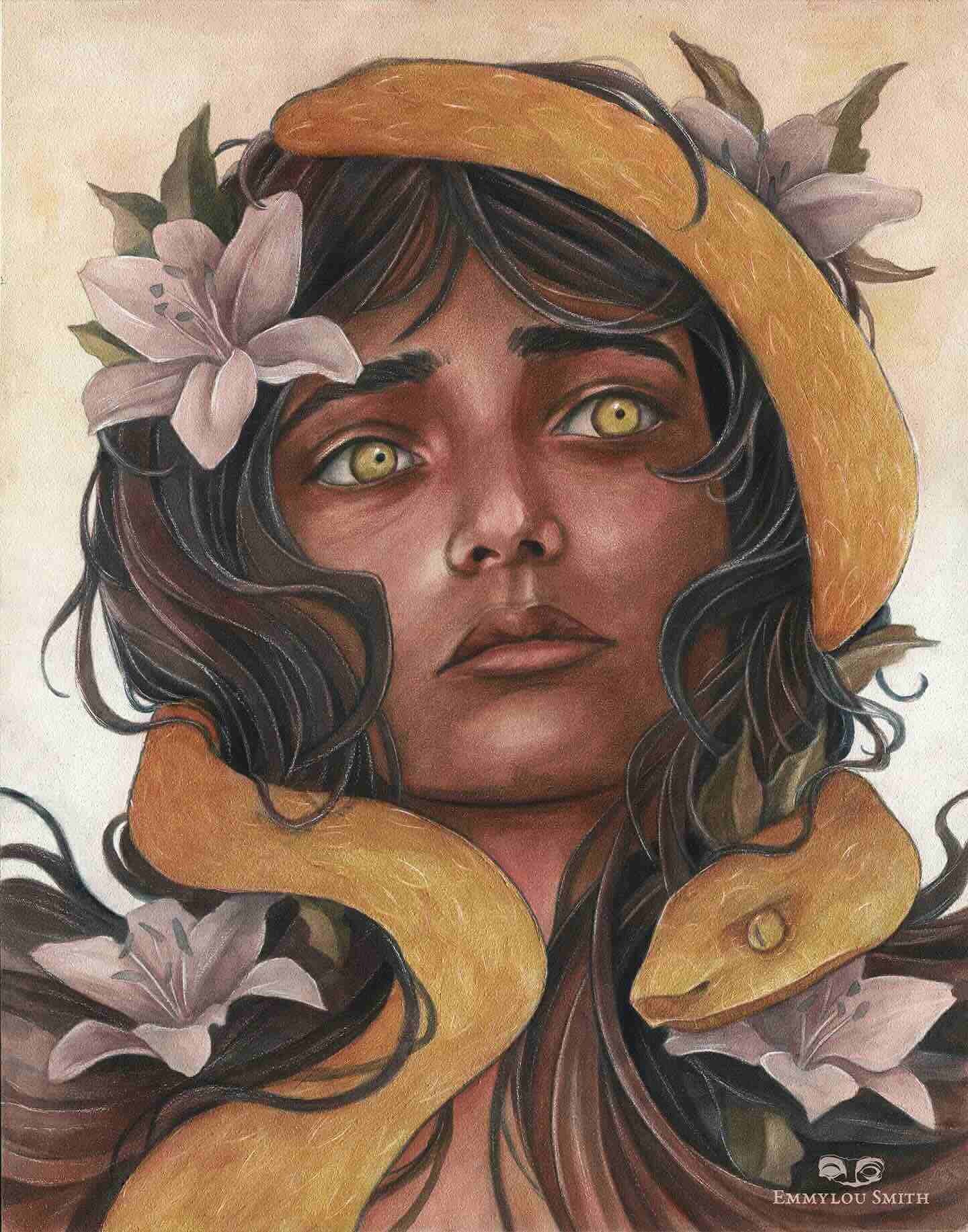

In this exclusive interview, I catch up with Emmylou Smith to learn more about her passion for historical figures, and ancient stories as she goes in-depth into how she breathes a new lease of life into the timelessness of history.
History teaches us how to see. It offers an understanding of how people once viewed beauty, identity, love, and power. For artists, it’s a source of wisdom and inspiration. When we study the work of those who came before us, we’re not just learning techniques or interesting stories: we’re learning ways of thinking, of feeling, of being human.
Interview with Emmylou Smith
Your work brings ancient stories and historical figures to life. When did your interest in these topics first begin?
My interest in history and ancient stories began during my teenage years, especially at a time when I was trying to make sense of life and loss. I had recently lost someone close to me, and I found myself searching for meaning, turning to ancient religions and historical rituals to understand how people in the past coped with grief and death. This person and I used to spend hours discussing history and religions together, so exploring those worlds became a way to stay connected with them in a way. That time in my life spurred an honest and lasting fascination with how our ancestors saw the world, interpreted beauty, and preserved meaning through stories.
After completing my formal art education, I felt a strong pull to return to that love; it felt like home!
Why do you choose to paint history over other artistic subjects?
I’m drawn to it for several reasons: First, I genuinely enjoy the research. It’s incredibly fulfilling to study a story, understanding its origins and purpose, and then trying to interpret it visually. Second, the range of subjects is endless: ancient myths, royal leaders, passionate figures… There are so many, I wish I could paint them all at once! And lastly, historical themes always feel relevant. Even when painted today, they still hit us deeply, not just visually, but emotionally. These stories live on for a reason, and I love playing a part in their retelling in a way that is personal.
What value do you believe history provides to artists and the art industry?
History teaches us how to see. It offers an understanding of how people once viewed beauty, identity, love, and power. For artists, it’s a source of wisdom and inspiration. When we study the work of those who came before us, we’re not just learning techniques or interesting stories: we’re learning ways of thinking, of feeling, of being human. Honoring the past helps us better understand ourselves and our creative purpose in life.


Given the vast nature of history, do you have any time periods which you are particularly fascinated by both from an artistic standpoint and on a personal level?
I’ve currently been focused on ancient Greek mythology because of its rich and recognizable foundation for storytelling. But I don’t limit myself to just one era. I’m emotionally drawn to different periods depending on what I’m feeling. Lately, I’ve been intrigued by the late medieval and early Renaissance periods, especially figures shaped by tragedy, sacrifice, or power.
Where do you look to most for historical inspiration? Are you a frequenter of galleries and museums or do you prefer sourcing inspiration and research from literature and other media?
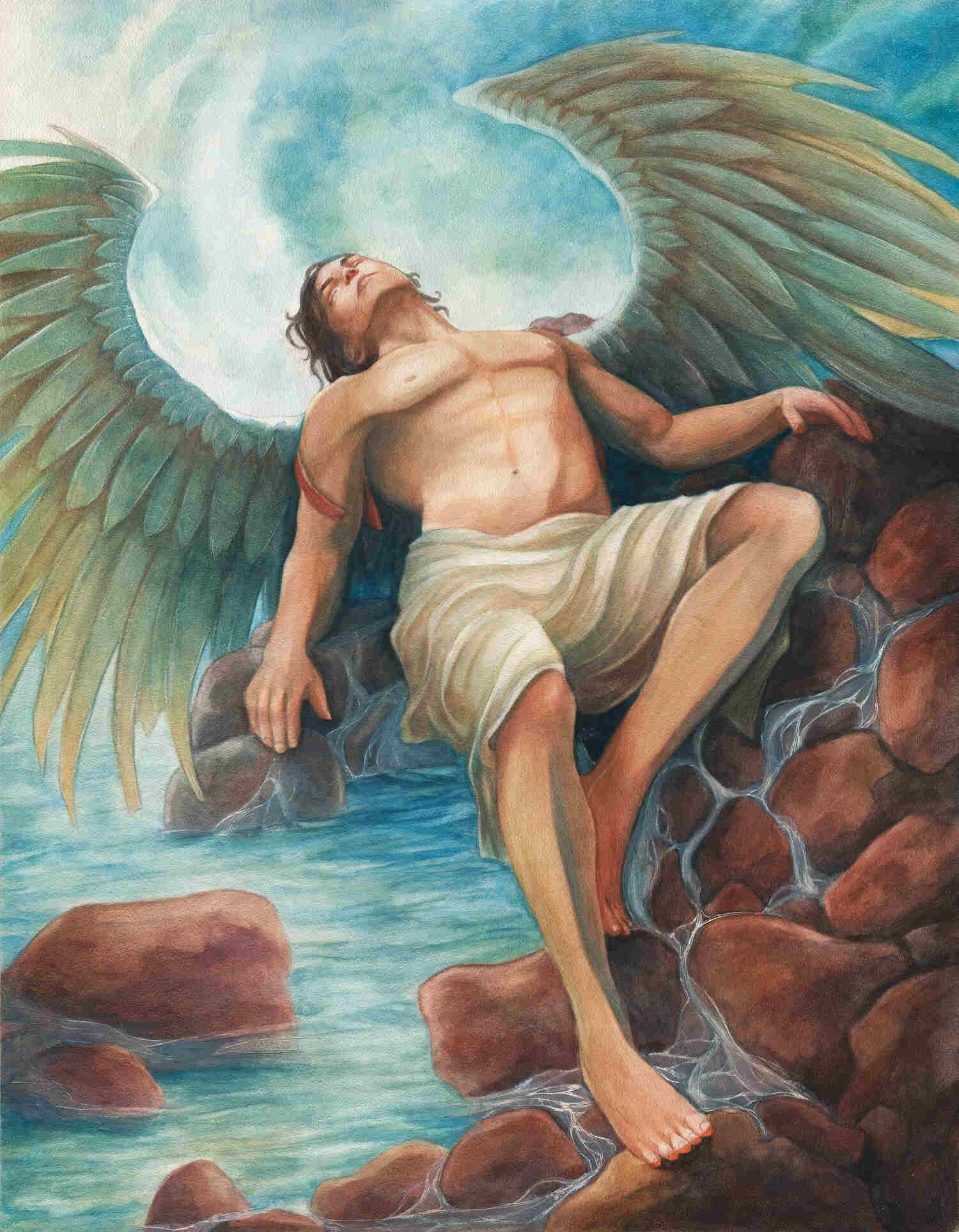
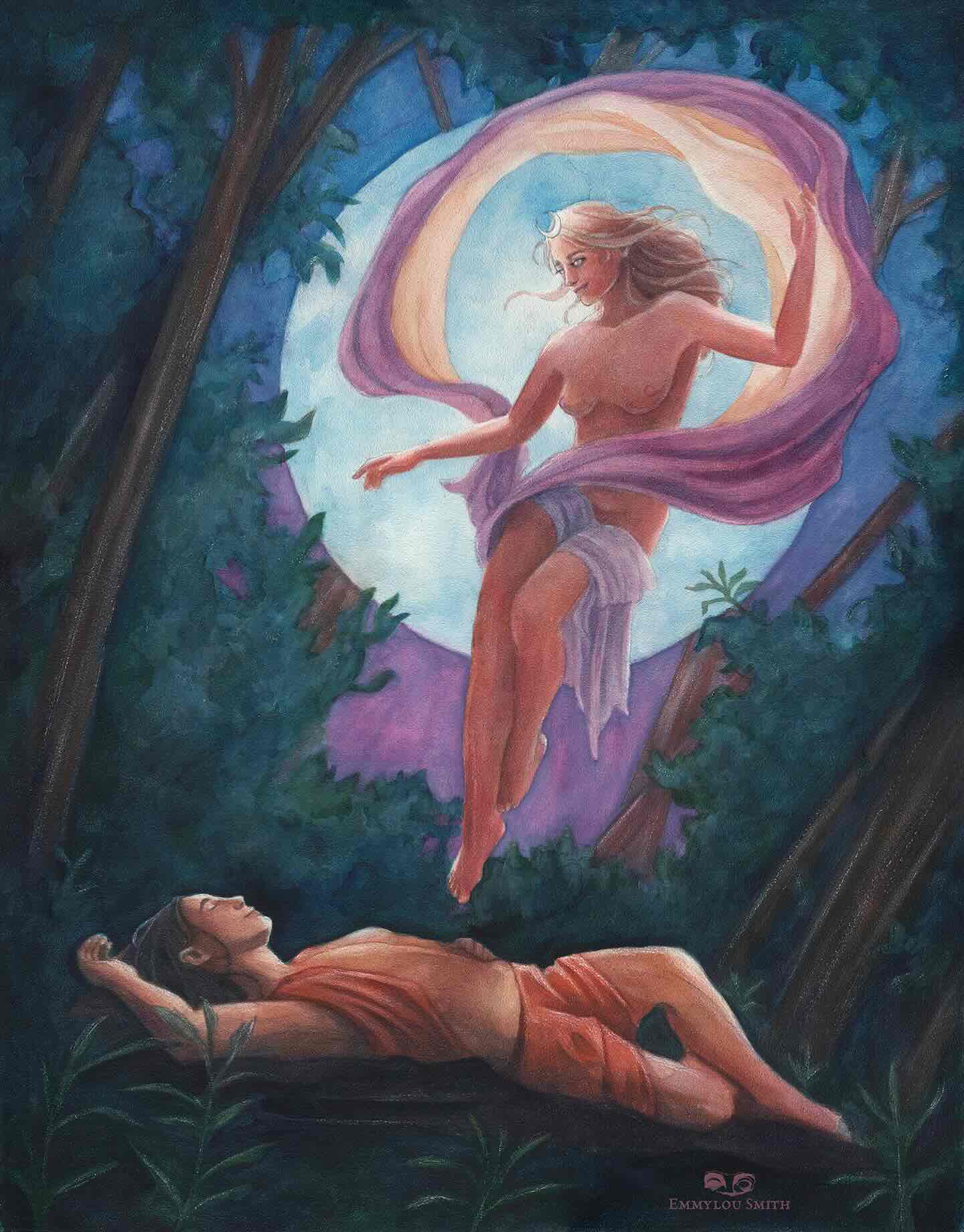
While I absolutely love exploring museums and galleries, most of my inspiration comes from literature. I like to read books on the history of ancient world mythology, biographies, and folklore. I also draw inspiration from my own emotions and experiences. I often choose stories based on how I’m feeling in a given moment. If I’m feeling longing, I’ll paint Selene and Endymion. If I’m grieving or feeling regret, I find myself painting the fall of Icarus. I don’t have a set road map for what I will be painting next. I just follow how I’m feeling in that moment to guide me to the next story I want to capture. I wish I were more linear!
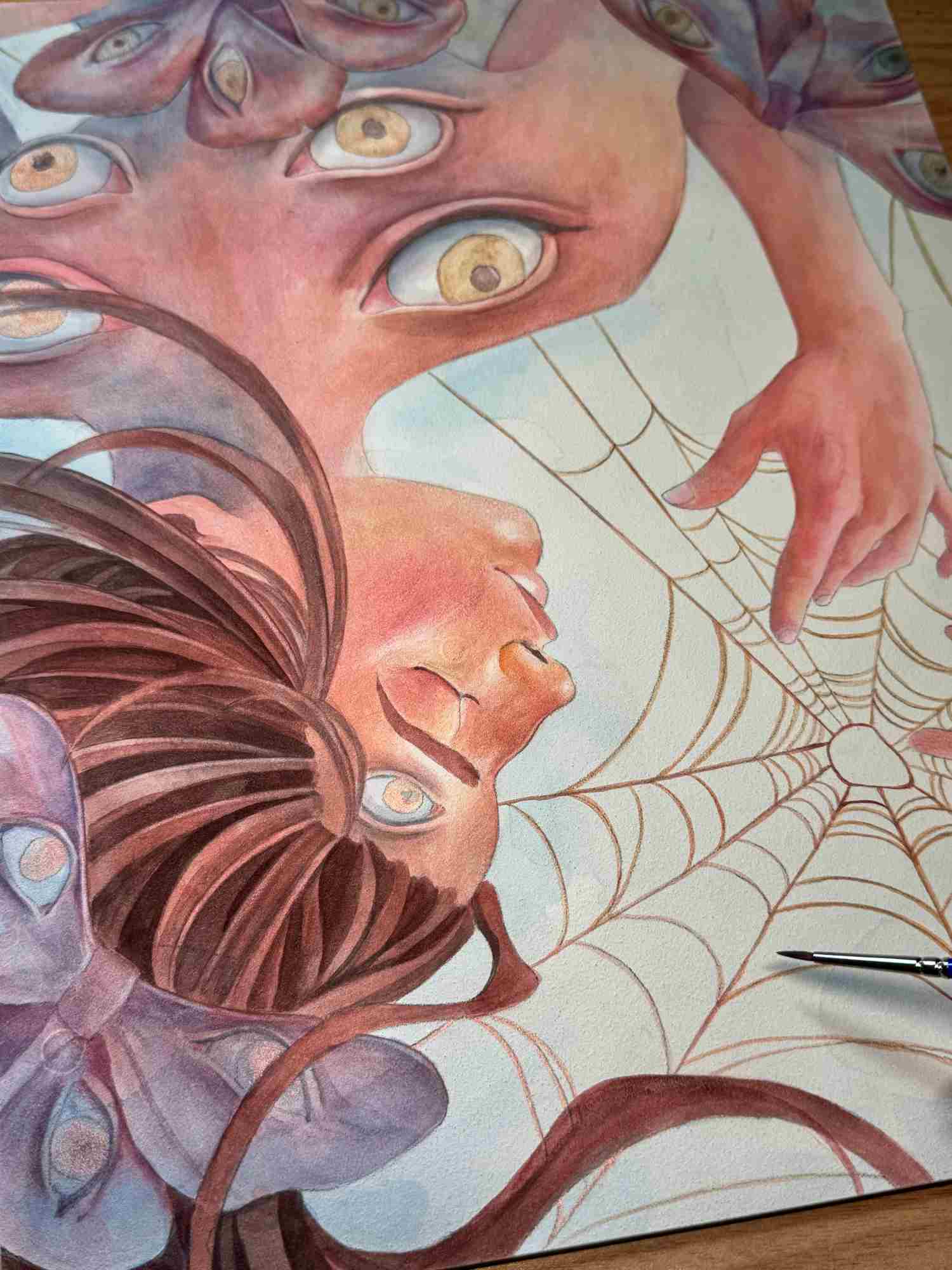
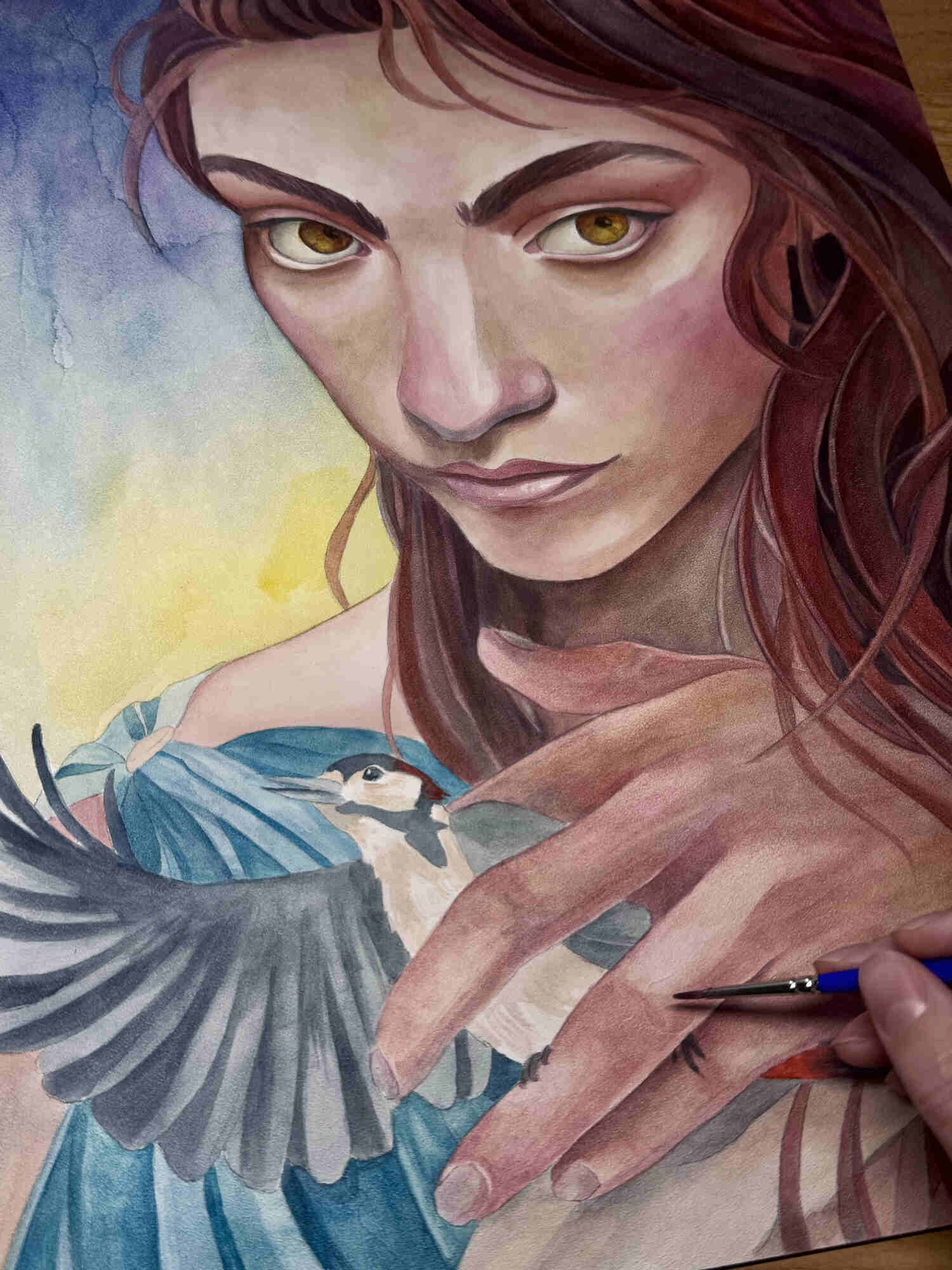
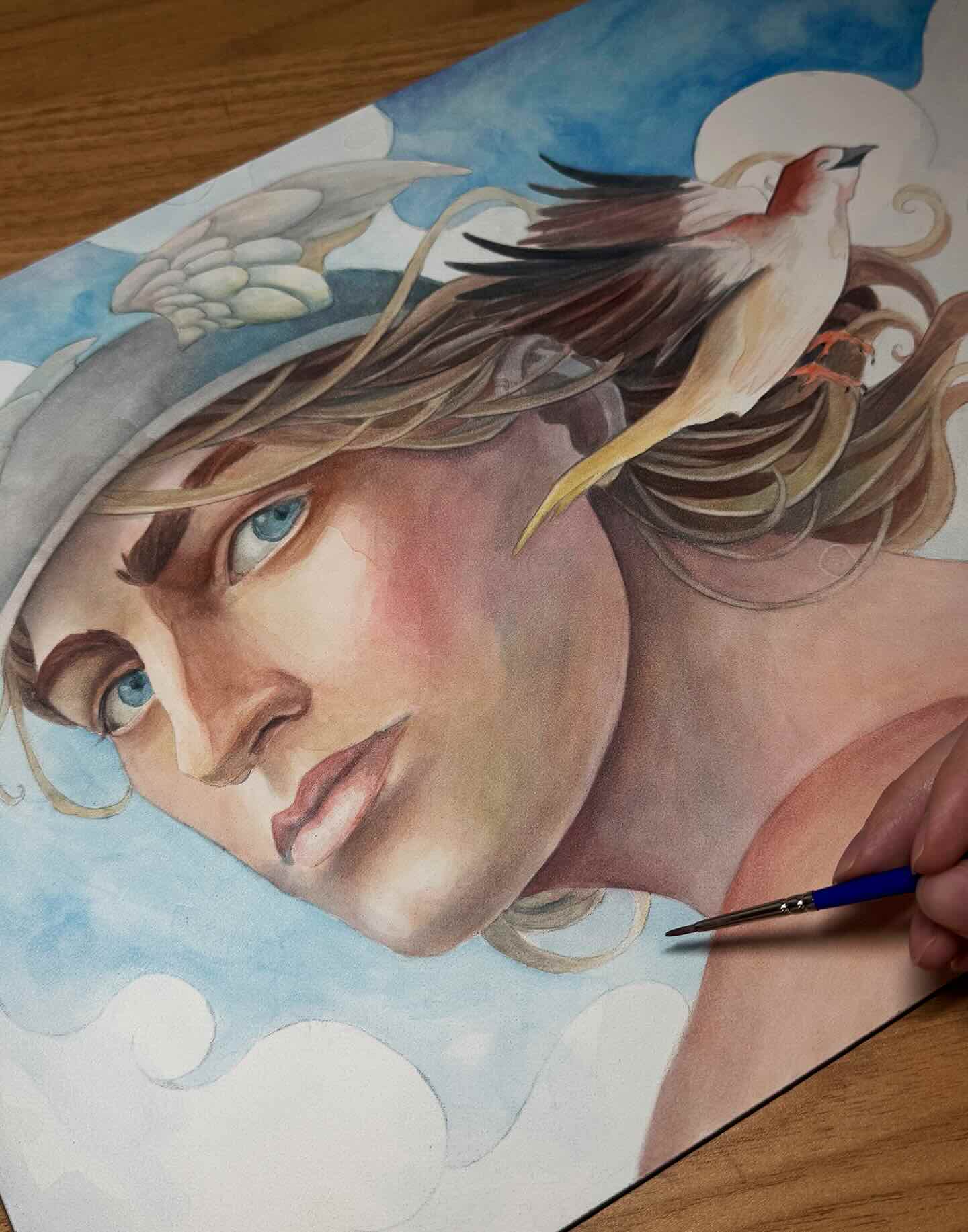
How do you approach storytelling within your work, and is there a certain level of restriction when retelling stories of historical and mythological figures since they’ve been told and interpreted countless times?
That’s actually what I find most exciting. These stories have been retold endlessly, and yet they never lose their power. I see that as a challenge and an opportunity. My goal is not to create a historically accurate depiction, but to capture the spirit of the story or the person, filtered through my own lens.
I paint stylistically in watercolour on clay and plaster, with the idea of mimicking the feel of ancient frescoes. It’s a deliberate contemporary mixture of the old and the new (both in surface and subject). Even though the stories are familiar, each artist brings something uniquely their own to the interpretation. That’s what keeps these tales alive. I’ll never tire of looking at another artist’s version of the same story!
Who are some of the historical figures you have enjoyed depicting most within your work and why?
The three queens in my ‘Tragic Queen’ series. Their stories are so complex, and I am drawn to their vivid personalities and the legacies they left behind. I’ve also connected with mythological figures like Icarus, Arachne, and Hermes. They each represent different emotional states I’ve felt before painting them, like regret, perseverance, and curiosity. Sometimes, when I’m painting a historical figure, like Leonidas I, I unintentionally blend elements of myself or someone I love into their likeness. This is not at all to claim their identity or story (of course), but it’s how I connect with their spirit. It’s my way of honoring their life.
Are there any historical/mythological figures you’ve yet to explore within your work that you’d love to add to your repertoire?
Yesss! I’m excited to eventually explore Norse mythology. The history and unique figures like Freyja, Baldur, or Hel are fascinating. I also want to get into lesser-known figures from different cultures and timelines. People whose stories may not be as frequently told but are equally powerful and important. There’s no shortage of ancestral stories to learn from and attempt to honor through my paintings. I feel incredibly grateful for that.