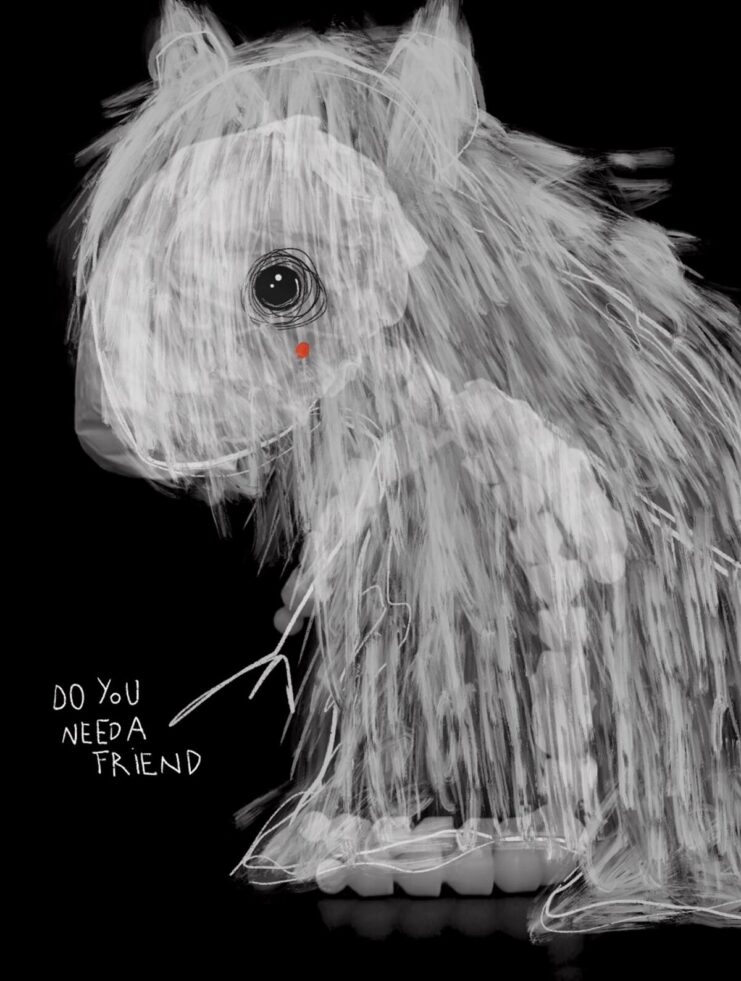
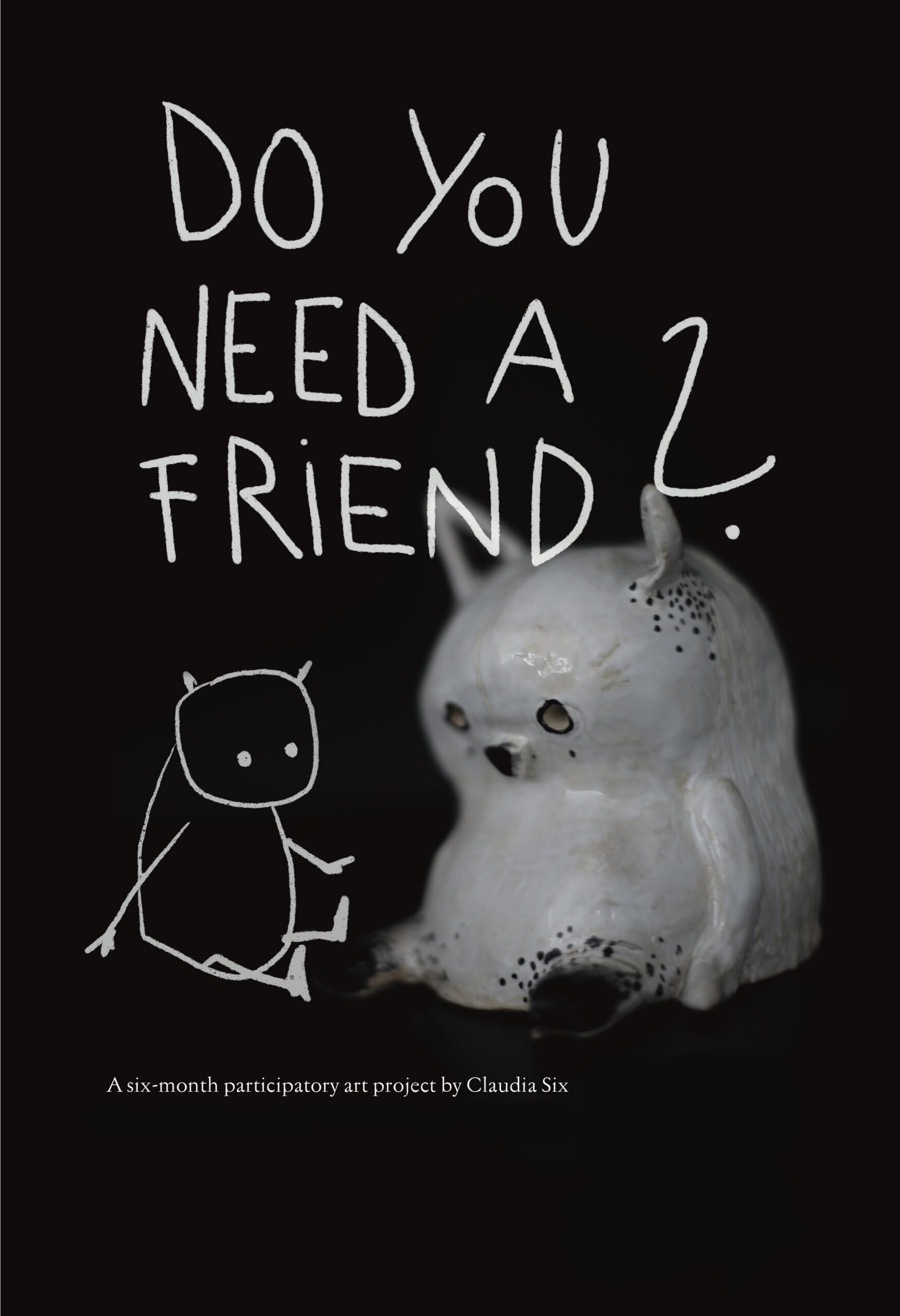
“Do you need a friend?”
Many of us are still searching for where we belong. Whether that comes through community, creativity, storytelling, or shared imagination, there is comfort in the spaces where we are seen and understood – and in moments that remind us we are never as alone as we sometimes feel. In a world where disconnection has become increasingly common, Claudia Six explores what happens when we widen what we allow ourselves to connect to. Friendship is out there. This is limitless because it becomes what we recognize when we care deeply and open ourselves to the possibility of all the someones and somethings.
Claudia’s work doesn’t try to resolve loneliness; it invites us to stay present with it. Vessels for emotion, these curious handmade creatures invite wonder, empathy, and a kind of ambiguity that we can relate to individually. They exist somewhere between art, character and companion. Each one is someone asking to be seen, much as we ask for this. In this art project, making becomes an encounter, where materials and creator are no longer separate but held in conversation.
“When did it stop being a someone and become a something again? I think that’s the real question underneath the project. Not just “do you need a friend” but: what does something have to do, or be, or look like before you grant it that? Before you let it become a someone to you?” – Claudia Six
Exclusive interview with Claudia Six
“Do you need a friend?” When you first began this art project, was that question something you were asking yourself, or something you hoped others would ask themselves through the work?
It was more of a provocation than a question, honestly. I wanted to challenge what we actually mean when we use that word. Because we use it very loosely; for people, for animals, for objects we’re fond of. And then in the next moment we decide that same animal would make a better meal. So, what was it? When did it stop being a someone and become a something again? I think that’s the real question underneath the project. Not just “do you need a friend” but: what does something have to do, or be, or look like before you grant it that? Before you let it become a someone to you?
“I wanted to make objects that don’t participate in that contract at all. Not to romanticize objects, but because removing the contract creates a kind of clarity. You can look at something without immediately calculating what it needs from you or what you owe it. And sometimes in that space you realize you’ve been performing your way past a lot of things that deserved more attention. Or maybe even less”. – Claudia Six
Your companions don’t demand attention or explanation. Why was it important to you that friendship, in this project, exist without obligation or performance?
Because performance is what prevents us from actually seeing. We call something a friend, treat it with care, but what we really mean is that we want it to behave like we expect it to. To sit, to stay, to stop being what it actually is. The cruelest part is that we sometimes do this to the ones we love most.
I wanted to make objects that don’t participate in that contract at all. Not to romanticize objects, but because removing the contract creates a kind of clarity. You can look at something without immediately calculating what it needs from you or what you owe it. And sometimes in that space you realize you’ve been performing your way past a lot of things that deserved more attention. Or maybe even less.
By encouraging people to make their own friends from everyday materials, you shift the focus from the object to the act of making. What does that process offer that a finished artwork alone cannot?
The act of making forces you to stop thinking in finished products. And I think that habit, measuring everything by what it will eventually become, is one of the more quietly damaging things we do. It means we’re always extracting, always moving toward a result, always deciding whether something deserves attention based on what it produces.
The process asks you to stay with what’s in front of you right now. At some point, you stop treating the material as raw matter and start asking what it wants. I mean that literally… write it down. Something shifts when you do that. You stop being a person making a thing and start being two things figuring each other out. The finished object is almost a side effect. What actually happened is that a something became a someone. And that’s much harder to ignore once you’ve felt it.
Has working on “Do You Need a Friend?” changed the way you understand your own need for connection?
Enormously. I think I understood, more clearly than before, how much of what we call connection is actually projection, and how that’s not a criticism. Projection is one of the most human things we do. We’re constantly animating the world around us, constantly deciding what has a self and what doesn’t. Working on this project made me question how arbitrary those decisions are. And also how lonely it makes us, to keep shrinking the circle of what counts as company.
When someone encounters one of your little creatures, what kind of friend do you imagine it being for them?
That question assumes the friendship is already there, which is actually the least interesting part to me. What I care about is the moment just before, when someone stops seeing an object and starts seeing a someone. And why. Because we make that decision constantly, about everything around us. What counts as alive enough to deserve attention. What can be stepped over. What can be eaten. I’m interested in interrupting that decision. My creatures don’t always want to be a friend; you have to love them into one.
Do these figures come from a need for companionship, or do they remind us that we are already accompanied by something unseen?
I think the more honest question is: when did we decide something wasn’t someone? Because that decision happens so quietly, and so early. We learn fast what counts as alive enough to matter. The figures don’t remind us we’re accompanied so much as they catch us in the moment before we forget again. There’s something that happens when you really spend time with a material, when you stop treating it as matter and start listening to it. At some point it looks back. Not metaphorically. Something shifts. And that shift is what I’m actually making, not the object, but the moment where something becomes someone. Once you’ve felt that once, you start noticing how many someones you’ve been walking past.
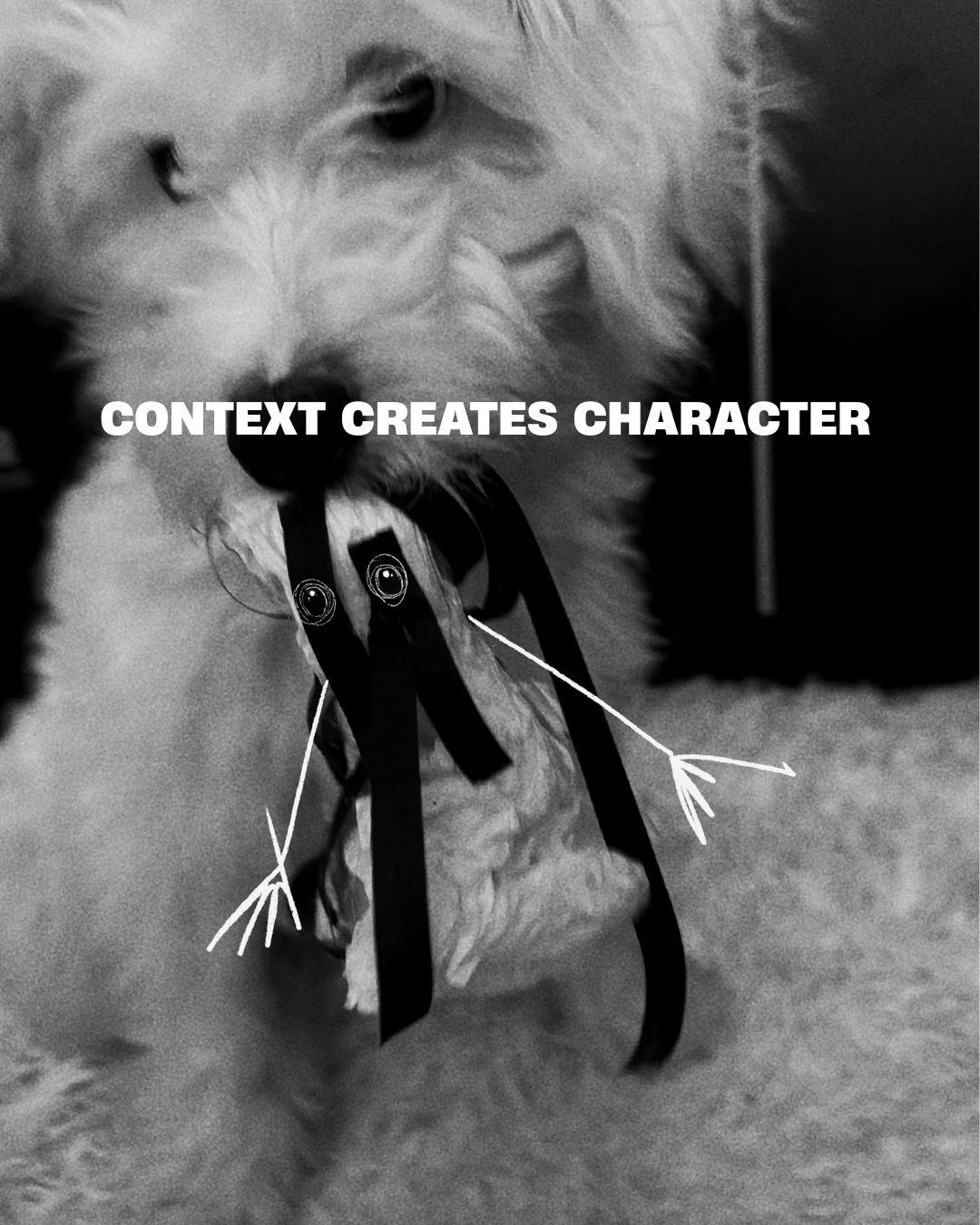
In a world where loneliness is increasingly normalized, what role do you believe art, and especially companionable objects, can play in helping people feel less alone?
I’m a little skeptical of the idea that art’s job is to make people feel less alone. That framing is too gentle for what I think is actually happening. Loneliness isn’t really the problem in my opinion; the problem is how small we’ve made the category of what we allow ourselves to feel connected to. We’ve become very efficient about it. Very well trained. A stone with painted eyes on it outsells almost everything. That doesn’t surprise me at all. It means the capacity is there, the need is there. What’s missing is permission to take it seriously. Art can give that permission. Not by being comforting. But by refusing to let you walk past.
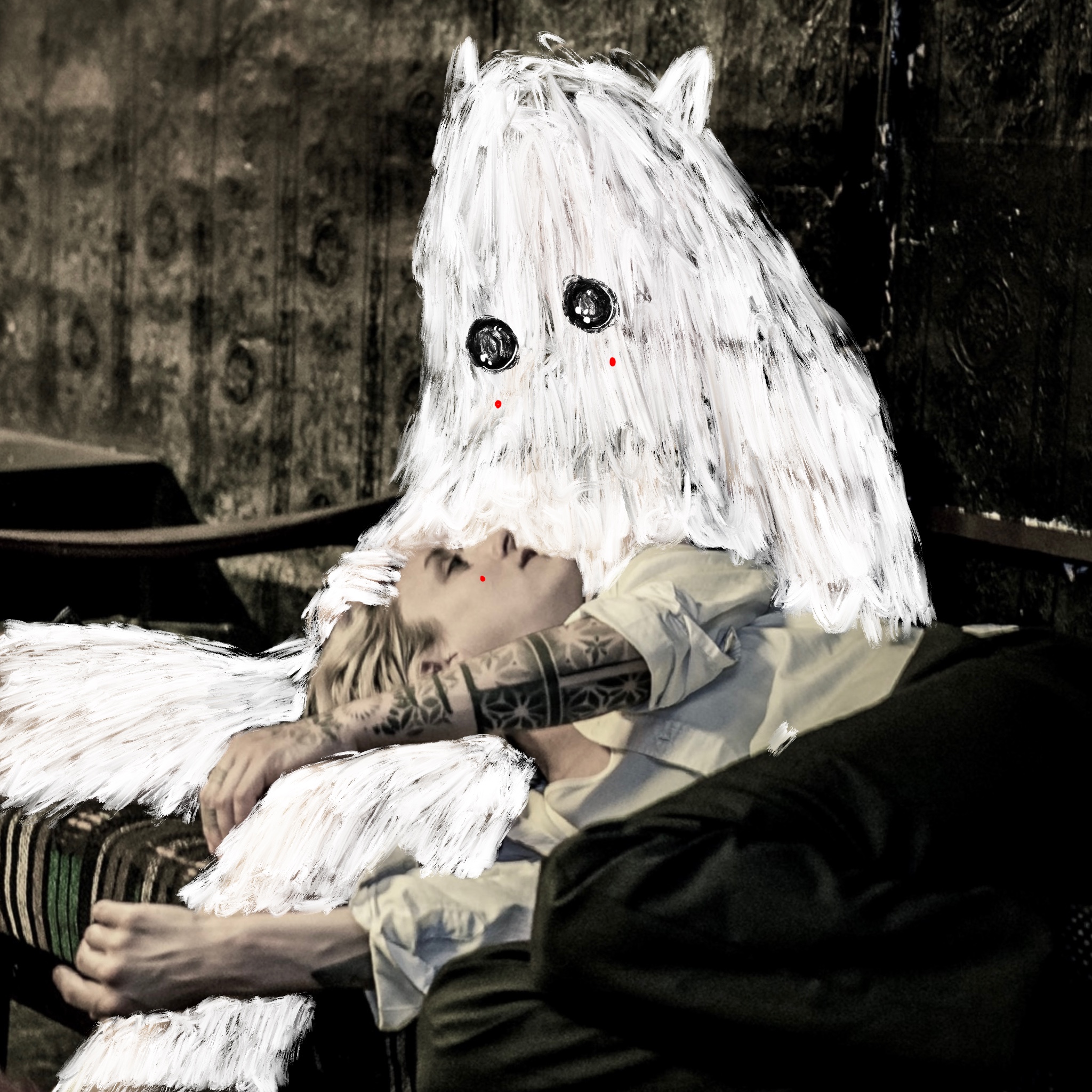
If someone were to make their own “friend” after experiencing your work, what would you hope that process gives them beyond the finished object?
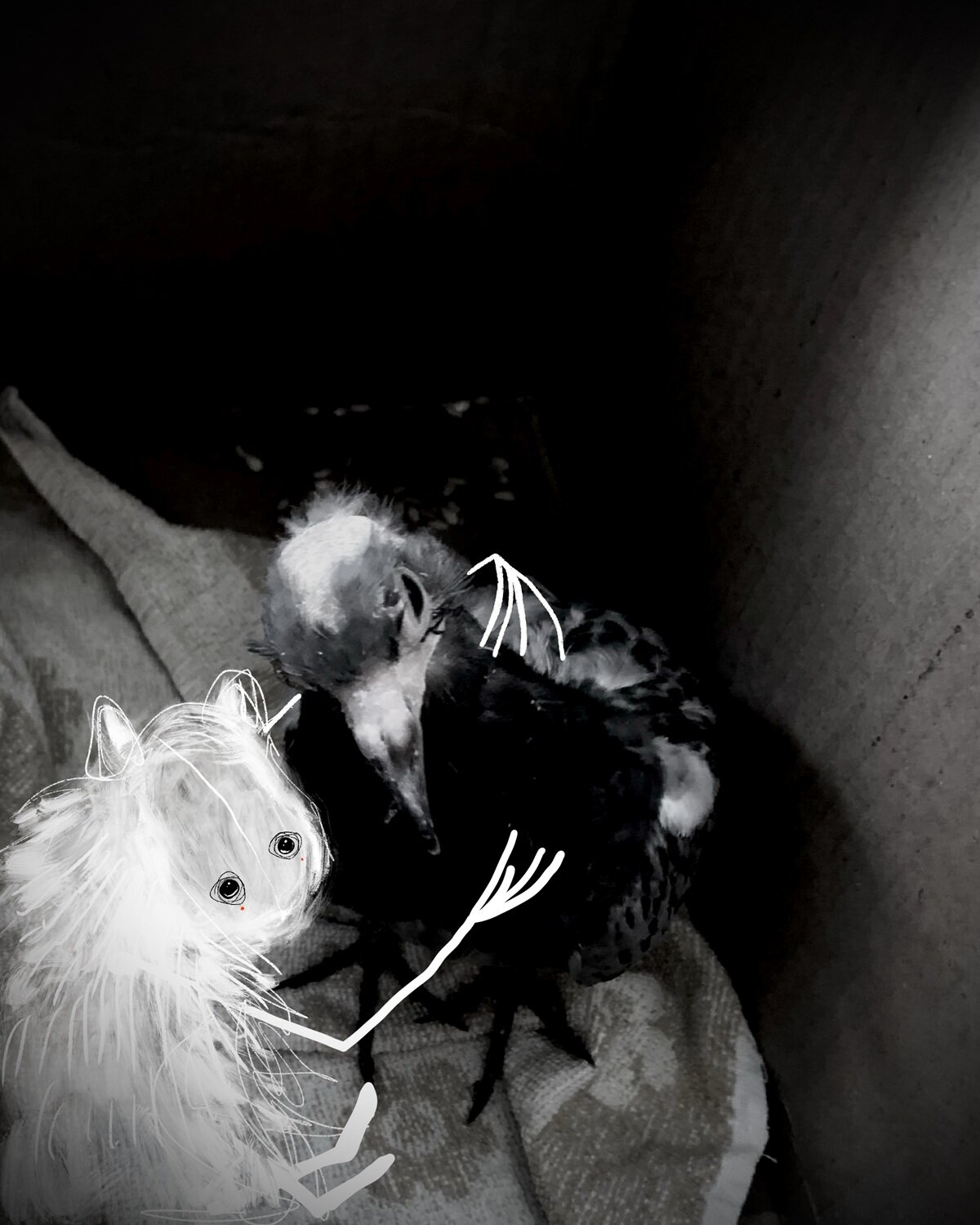
A slight loosening of certainty. About where meaning comes from. About where a soul starts. We’re very confident about which things deserve to be treated as alive and which don’t, and I think that confidence costs us something. If the process creates even a moment of doubt about that, a moment where someone looks at a piece of fabric or a stone or a pigeon and thinks – wait, is that someone? – then the work has already done more than the object ever could.
“For me almost everything is already someone. I’m just finding out which one. I think my threshold for recognizing a someone is set very low. Or maybe everyone else’s is set too high. That’s the part I can’t stop thinking about.” – Claudia Six
When you start a new piece, do you feel like you are “building” a friend from scratch, or are you simply providing a physical body for a presence that was already waiting for you? And at what point do you look at it and think, “Oh, it’s you, there you are”?
It starts as construction. But there’s a point where the adjustments stop being technical and become something else, more like listening than deciding. I never plan how it should look in the end. Something else leads. And the “oh it’s you” moment comes embarrassingly early. For me almost everything is already someone. I’m just finding out which one. I think my threshold for recognizing a someone is set very low. Or maybe everyone else’s is set too high. That’s the part I can’t stop thinking about.
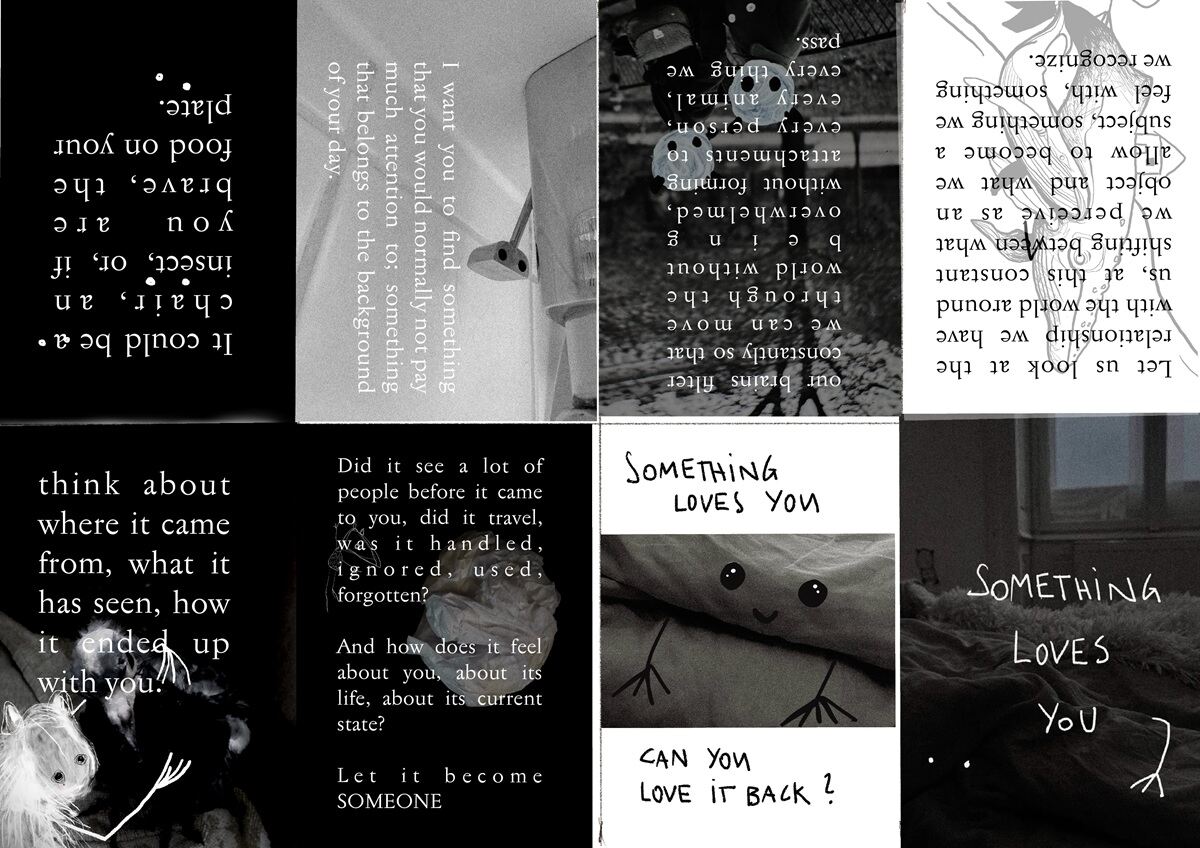
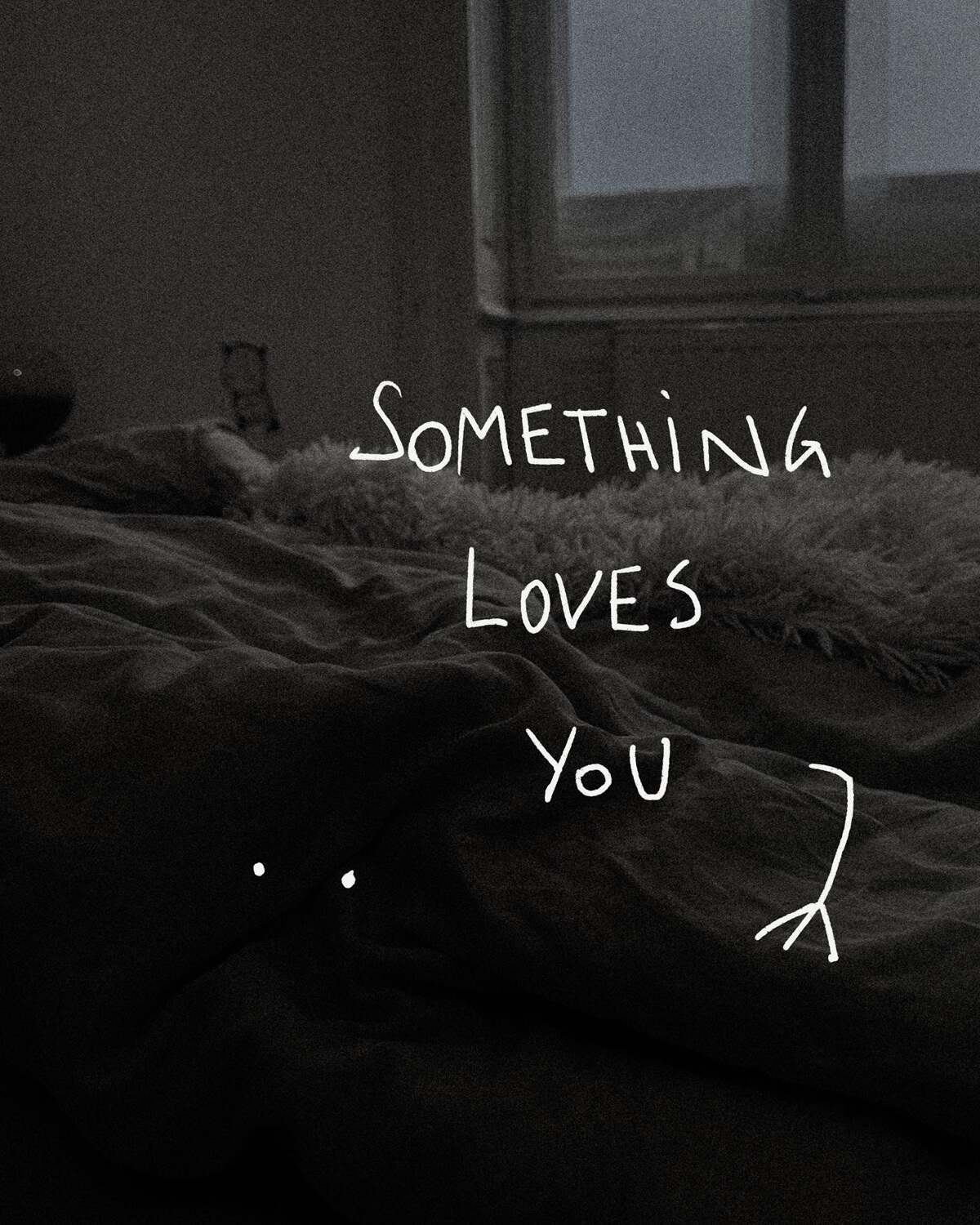
It’s a powerful sentiment that “something loves us,” even if we don’t know what it is. How do you translate that feeling of safety, tenderness, and being watched over into a physical, soft-sculpted form?
By not illustrating it. The moment you represent care too clearly it becomes a statement, and statements can be argued with. What I look for is ambiguity. Something that could be watching over you, could be simply watching you, or could be nothing, depending on what you bring to it. The goal isn’t to depict love. It’s to leave enough space that love can move in. And I think what that reveals is less about the object than about us. How ready we are to be loved by something we can’t explain. How little it takes, once we stop arguing with it.
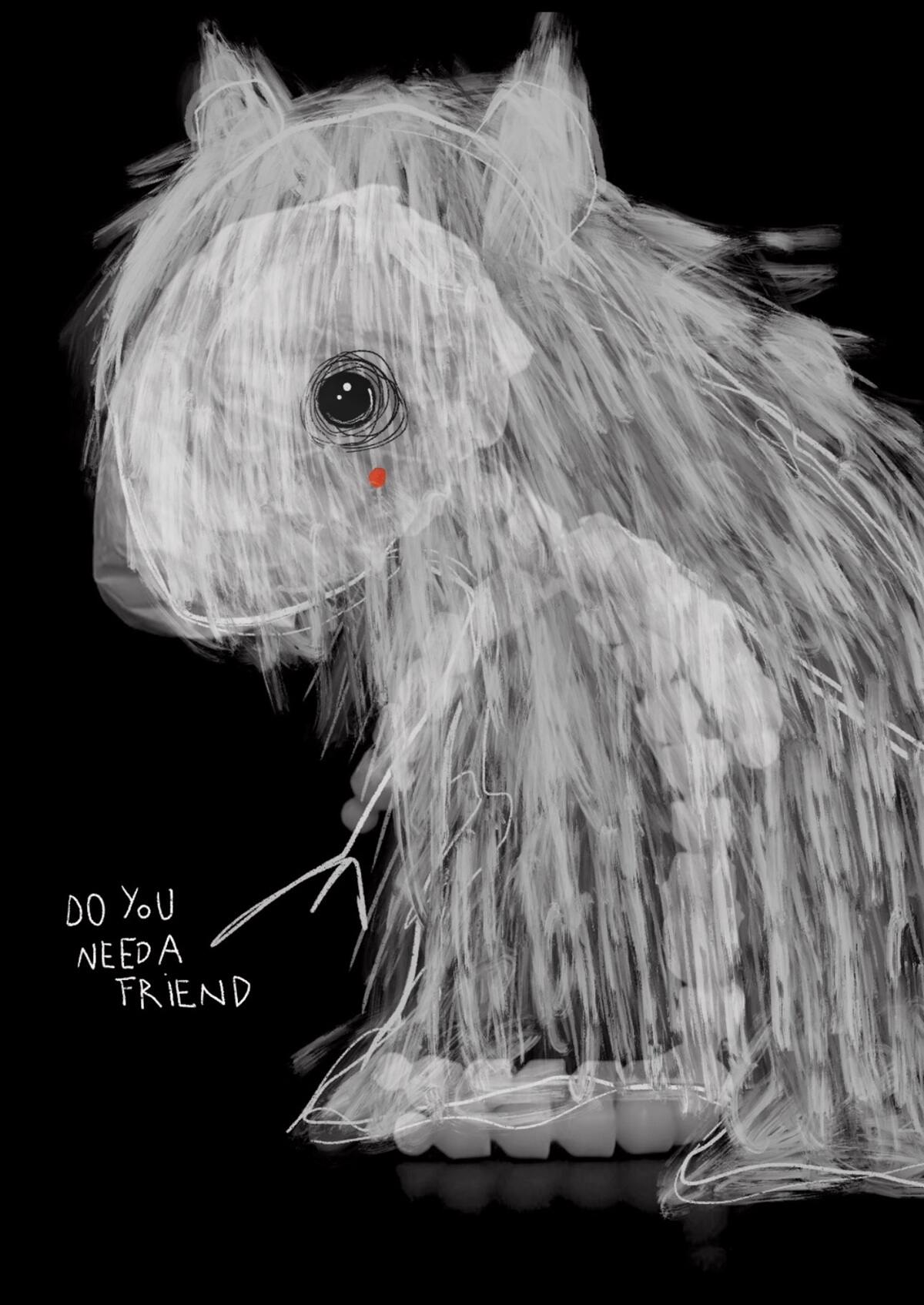
In a world that can feel increasingly isolated and disconnected, what does it mean to you that we can all hold our support system, especially as an extension of your project?
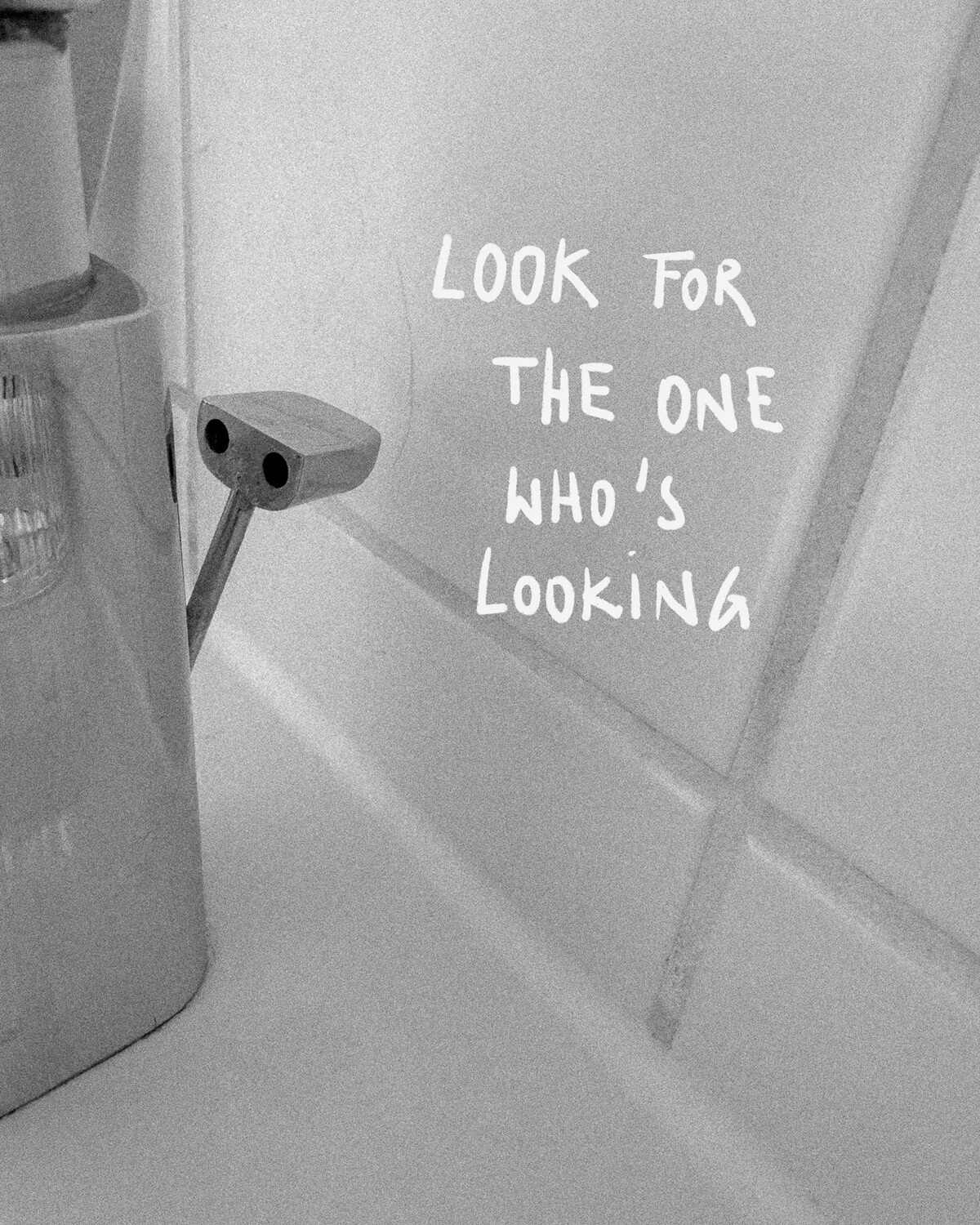
It reframes support as something that doesn’t require negotiation. Holding a support system in this sense is less about possession and more about attention, you activate it by actually looking. That’s something I think about a lot. We walk through the world stepping over pigeons, literally almost on their heads, because they’ve become so normal they’ve stopped being real to us. They’ve become something instead of someone. And the moment you stop and actually look, that can be heartbreaking, honestly. That’s my real goal. Not to make people feel better exactly, but to make it harder to look away.
Looking out to the horizon, what can you share about 2026?
Next week I’m going to Norway to work on a new theater project – Mama Fortuna. An installation with live performance, rooted in puppet theater, which is where I come from. Right after that I’m finishing a cat puppet for a German film. Then my solo show in Vienna at the end of September, and another installation in December. And then I’m done for the year. The rest of the time I plan to be with my dog. No performance required.