Featherpistol is a Beautiful Bizarre Artist Directory member provides some fascinating insights into her practice and experiences as she responds to the questions below:
- How did you find and develop your personal aesthetic?
- How has social media changed your practice? Do you include less nudity in your work now to fit their censorship standards?
- What obstacles have you encountered as an artist, and how did you overcome them?
- How do you market yourself and your art to gain recognition from galleries and collectors?
How did you find and develop your personal aesthetic?
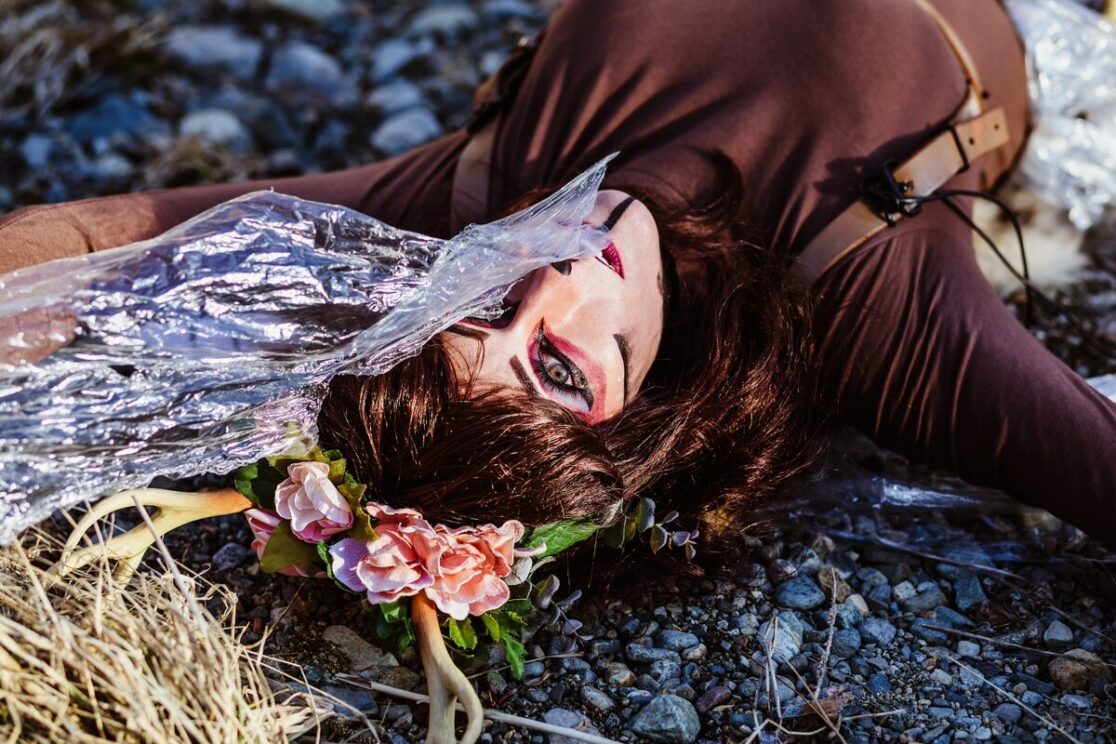
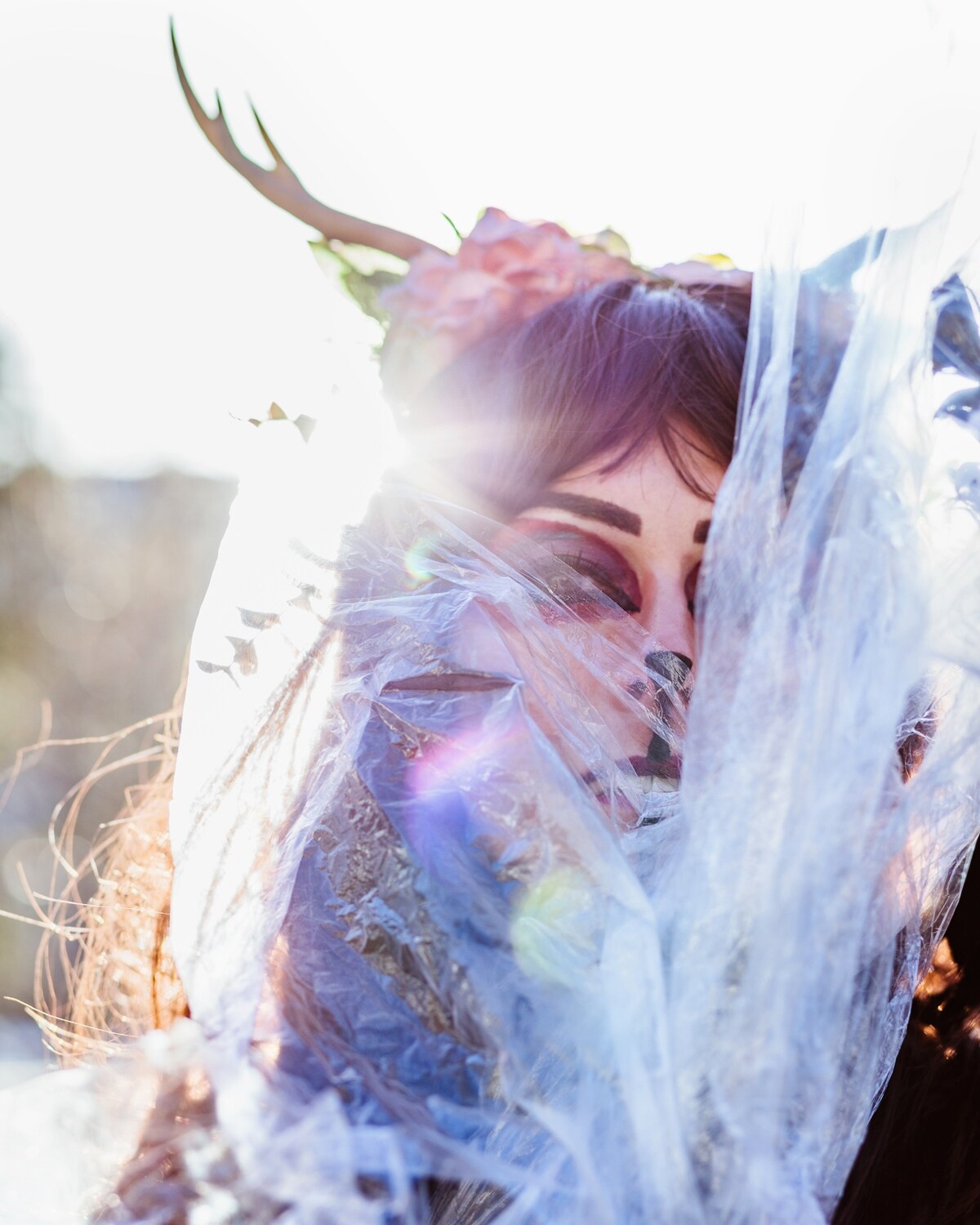
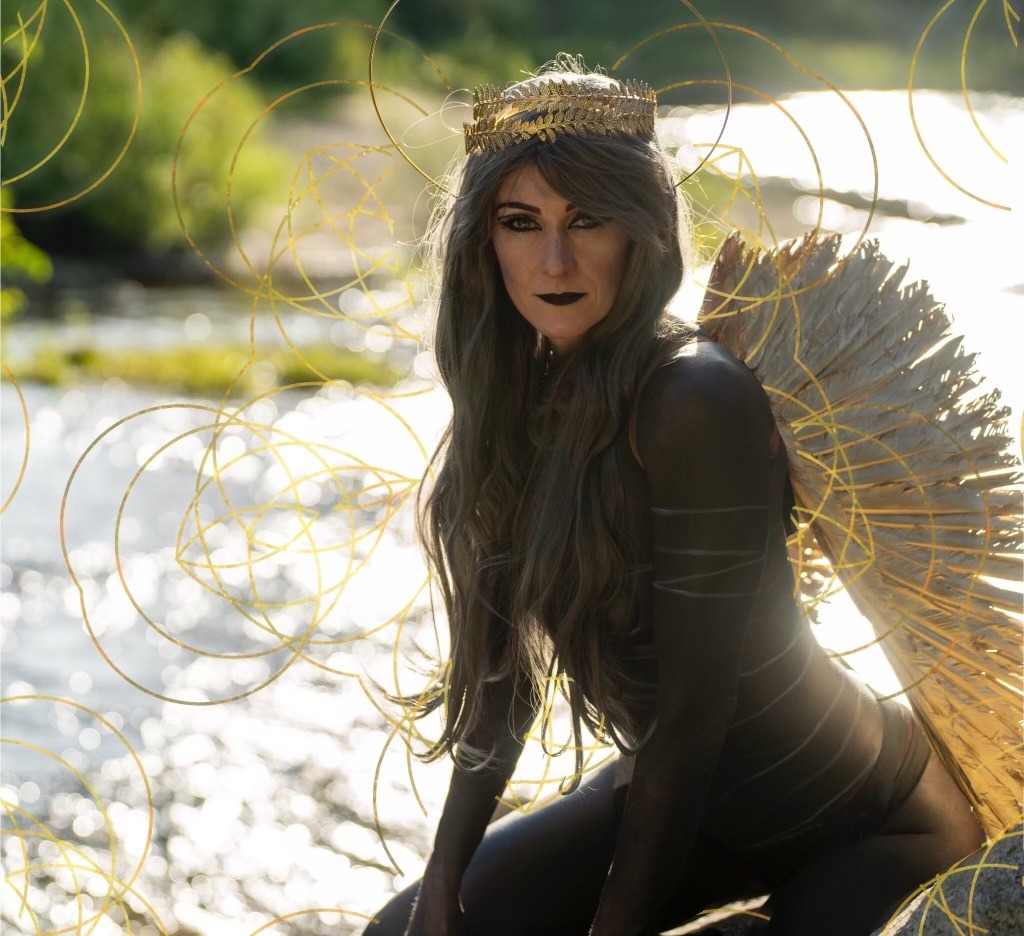
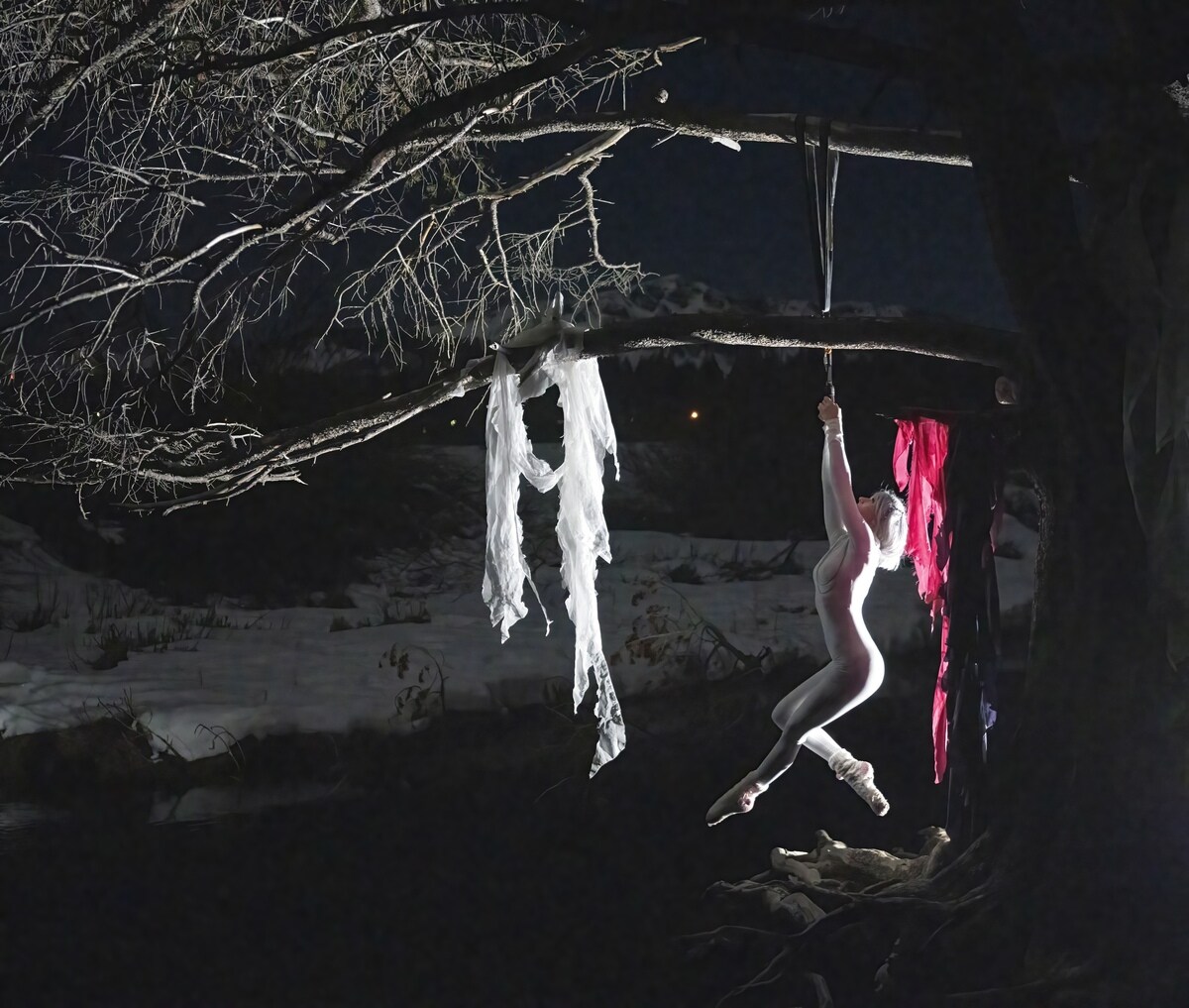
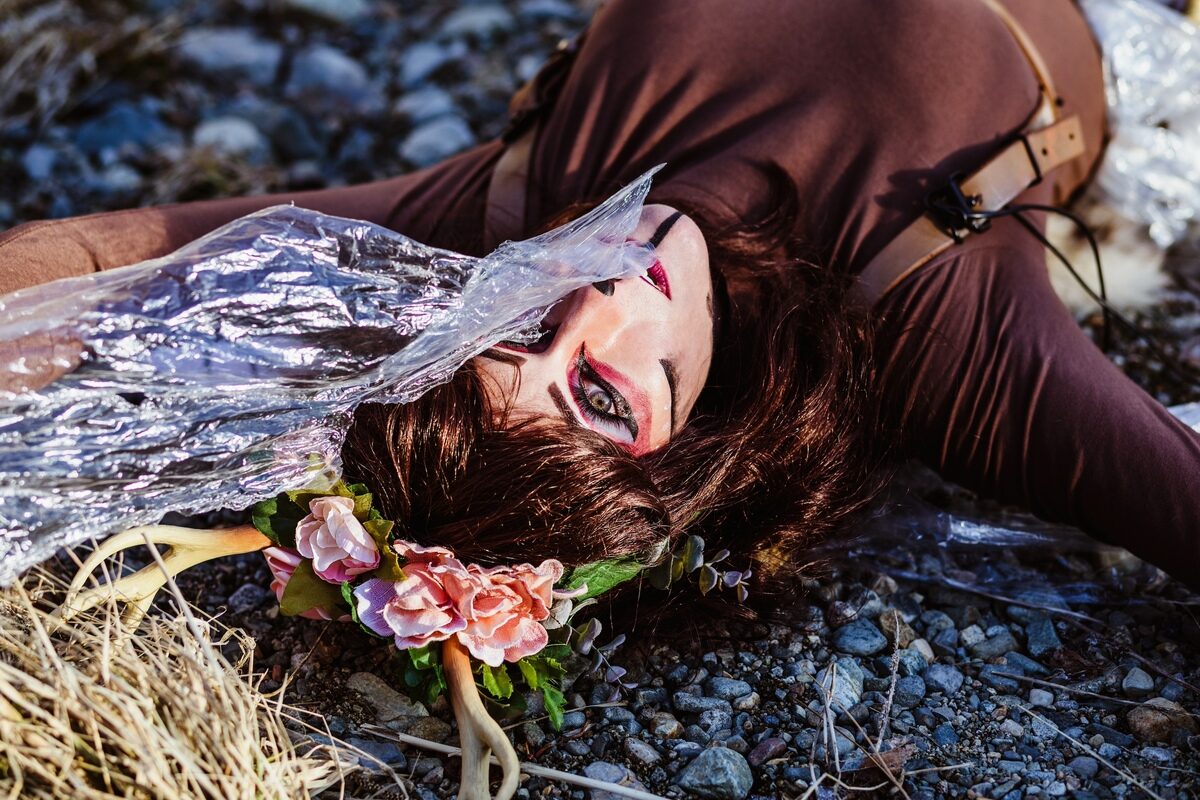
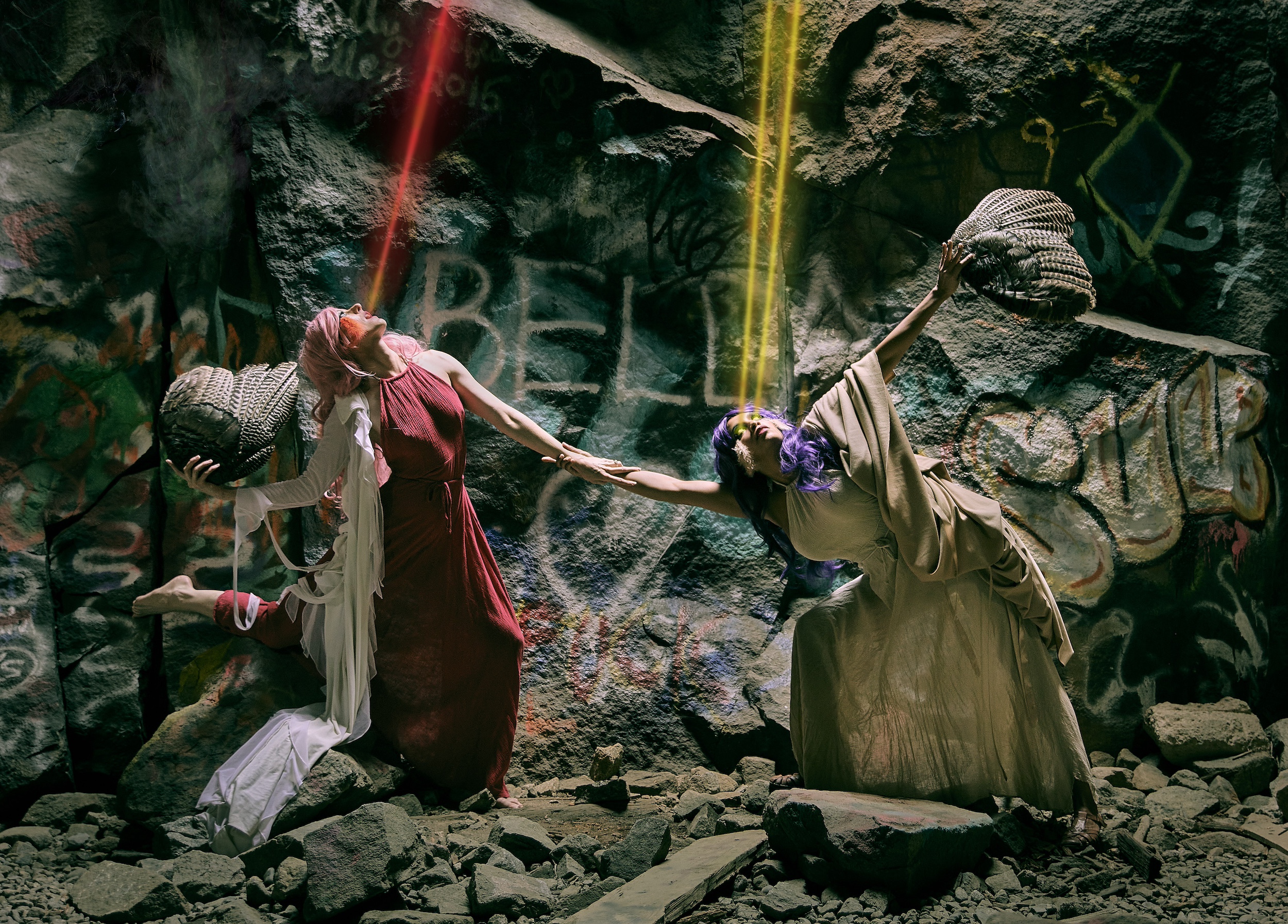
After years performing in the cabaret and circus world (where everything was always glam-glam-glam) I started craving something that felt more raw, honest, and connected. As much as I loved the spectacle and performance, I found myself drawn toward an aesthetic that reflected my ancestry, my spiritual beliefs, and my deep connection to the earth. That shift naturally led me to explore pagan themes, goddesses, mythical creatures, and female archetypes. A lot of my work now comes from that place – it’s something instinctive, ritualistic, and deeply personal.
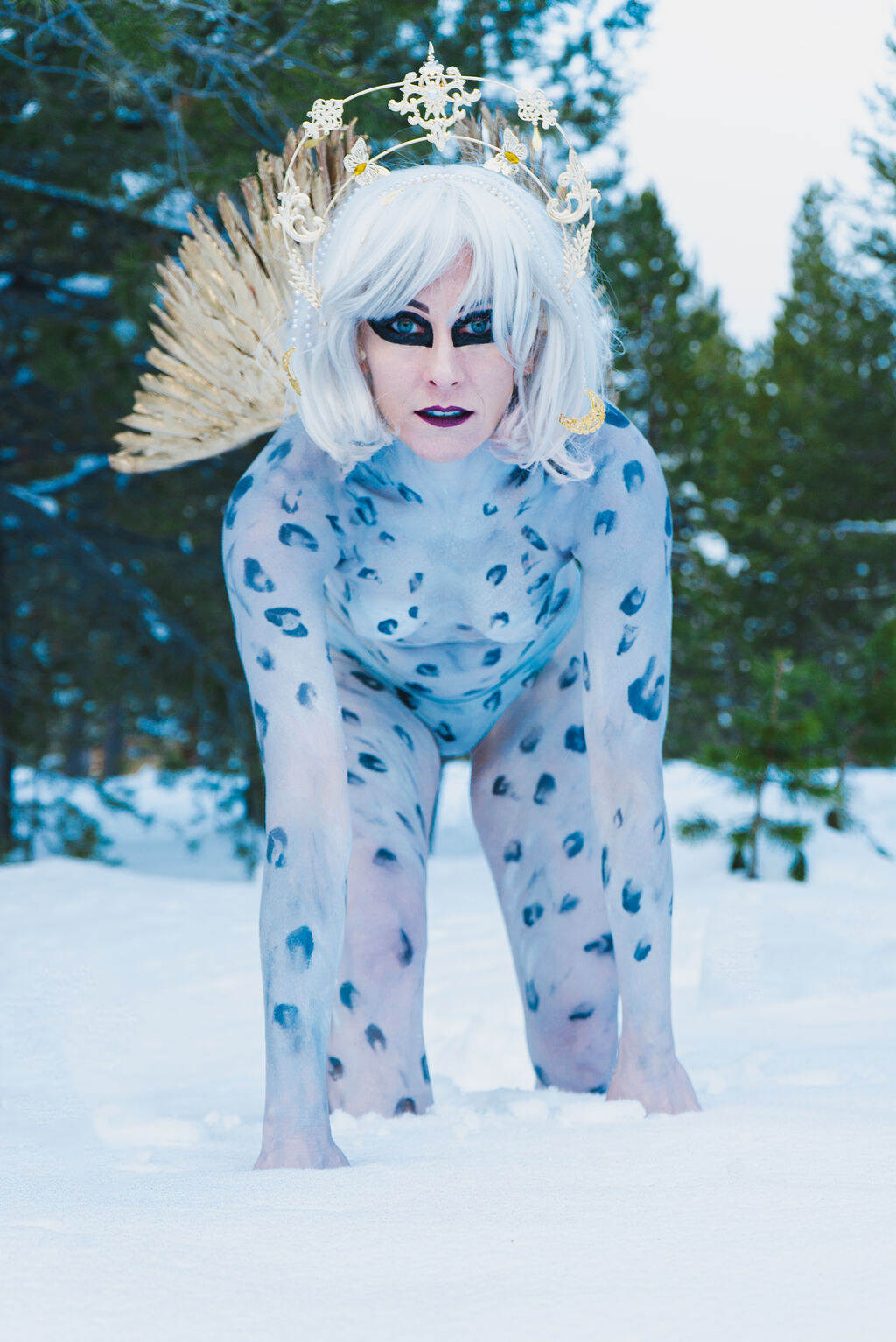
How has social media changed your practice? Do you include less nudity in your work now to fit their censorship standards?
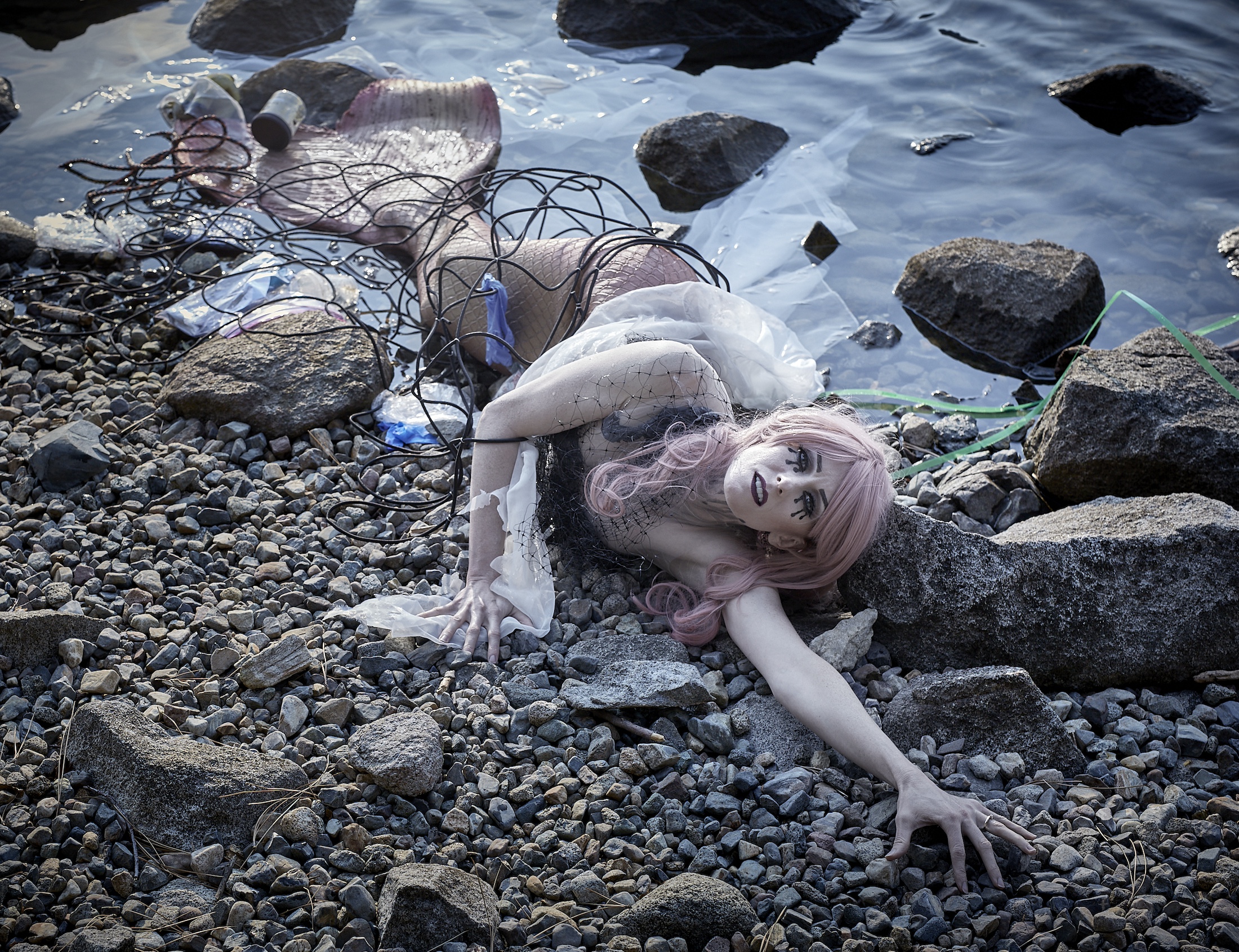
Social media has definitely shaped the way I share my work. I’ve noticed that some of the pieces I feel most strongly about – the more layered, artistic, or socially conscious works – don’t really translate well on Instagram. The space just doesn’t always allow for that kind of depth or attention. Most people aren’t opening IG looking to sit with difficult ideas about social issues or environmental responsibility: they want distraction, inspiration, or something easy to consume. Since a lot of my audience there is made up of friends and colleagues, I’ve also become more aware of how different kinds of work are received.
Over time, I’ve shifted my expectations around social media and started sharing my deeper, more personal work on Patreon instead, where it feels like there’s more room for genuine engagement and connection.
What obstacles have you encountered as an artist, and how did you overcome them?
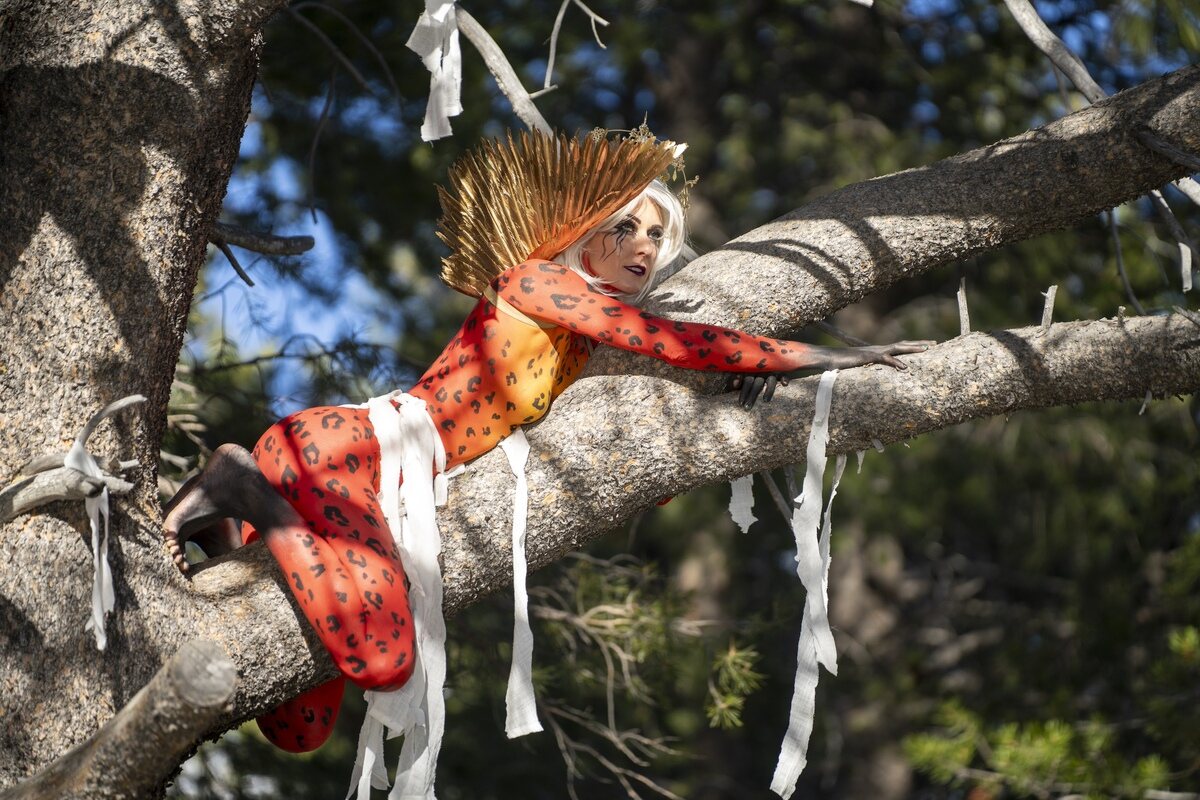
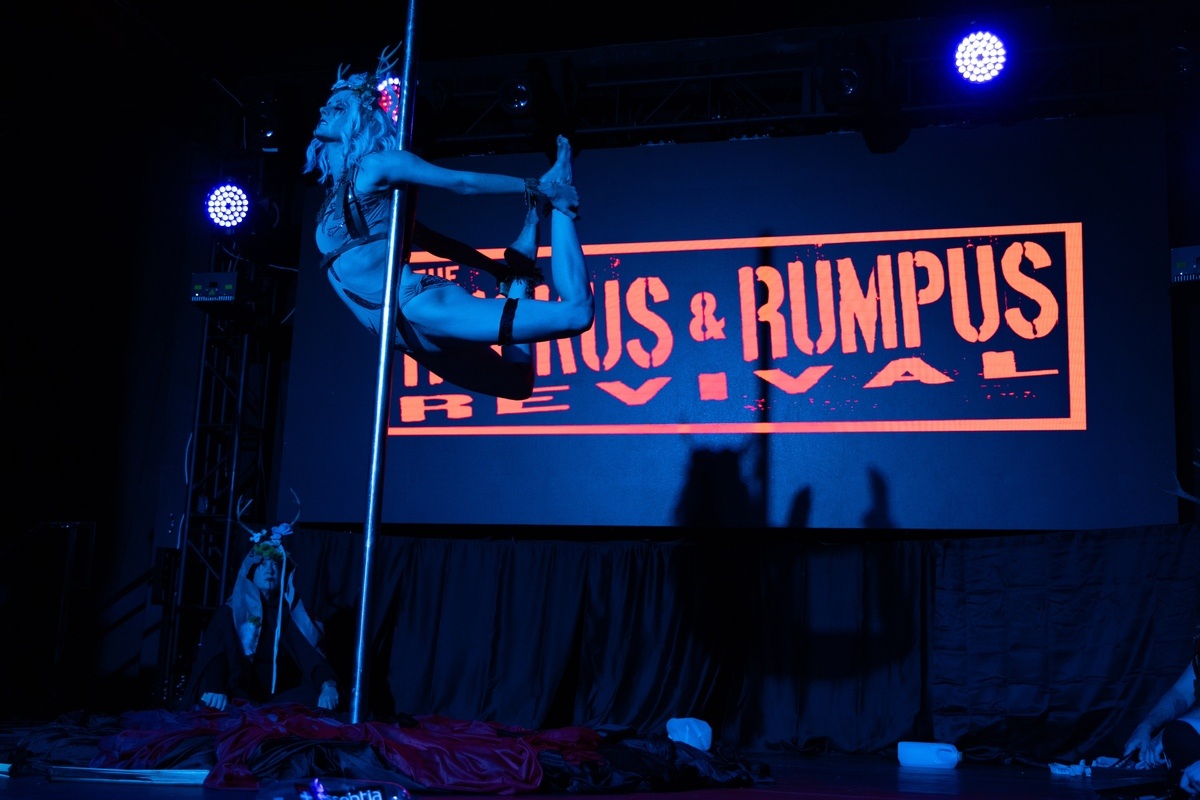
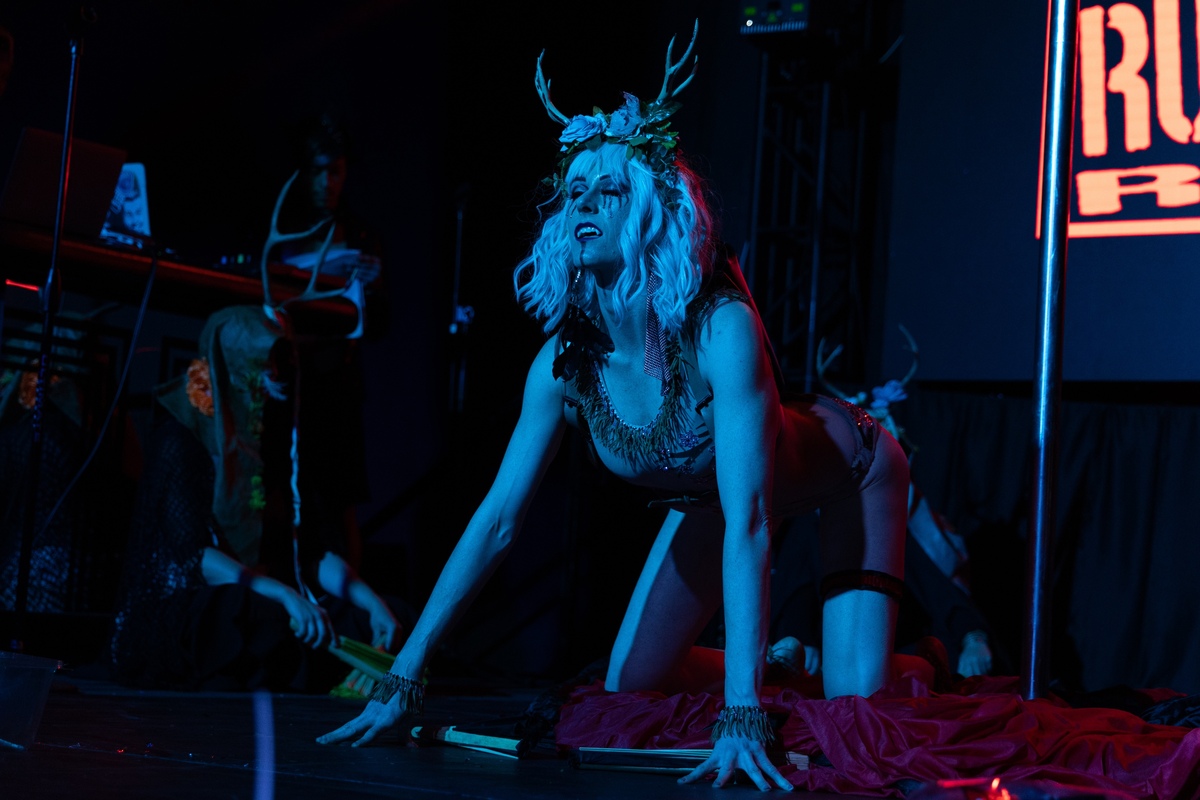
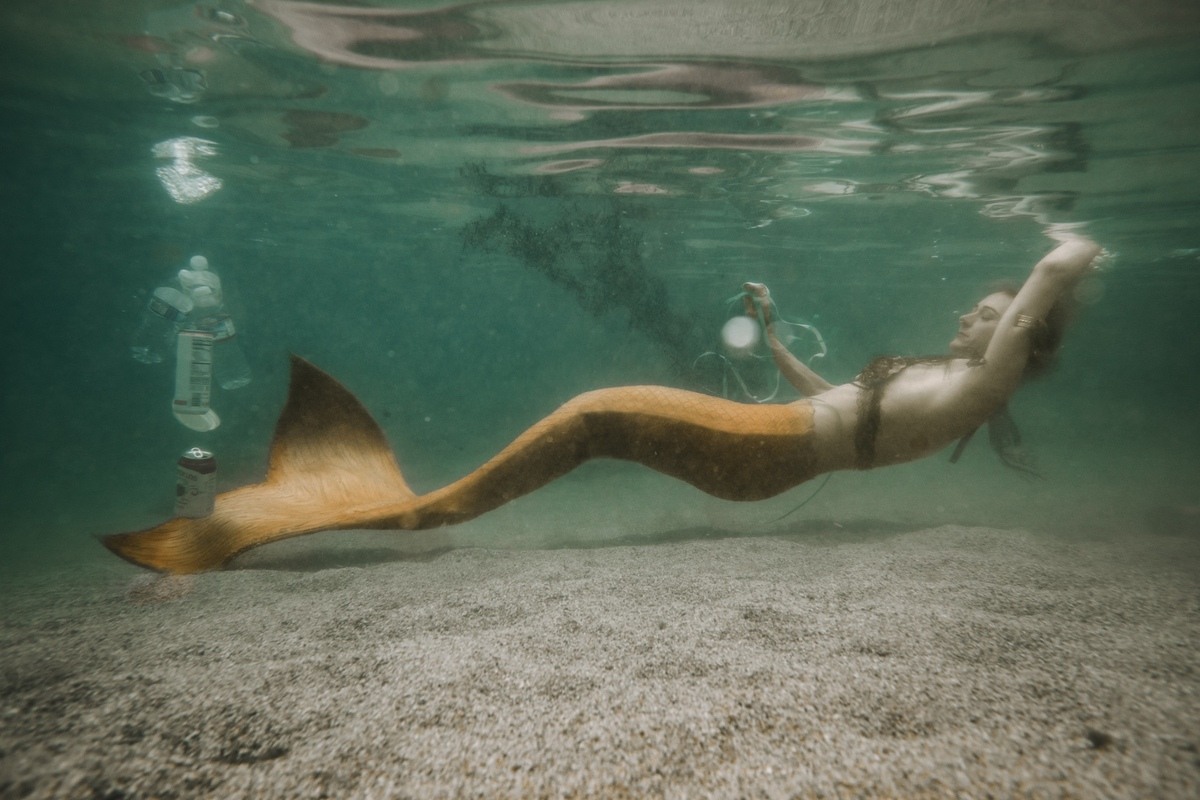
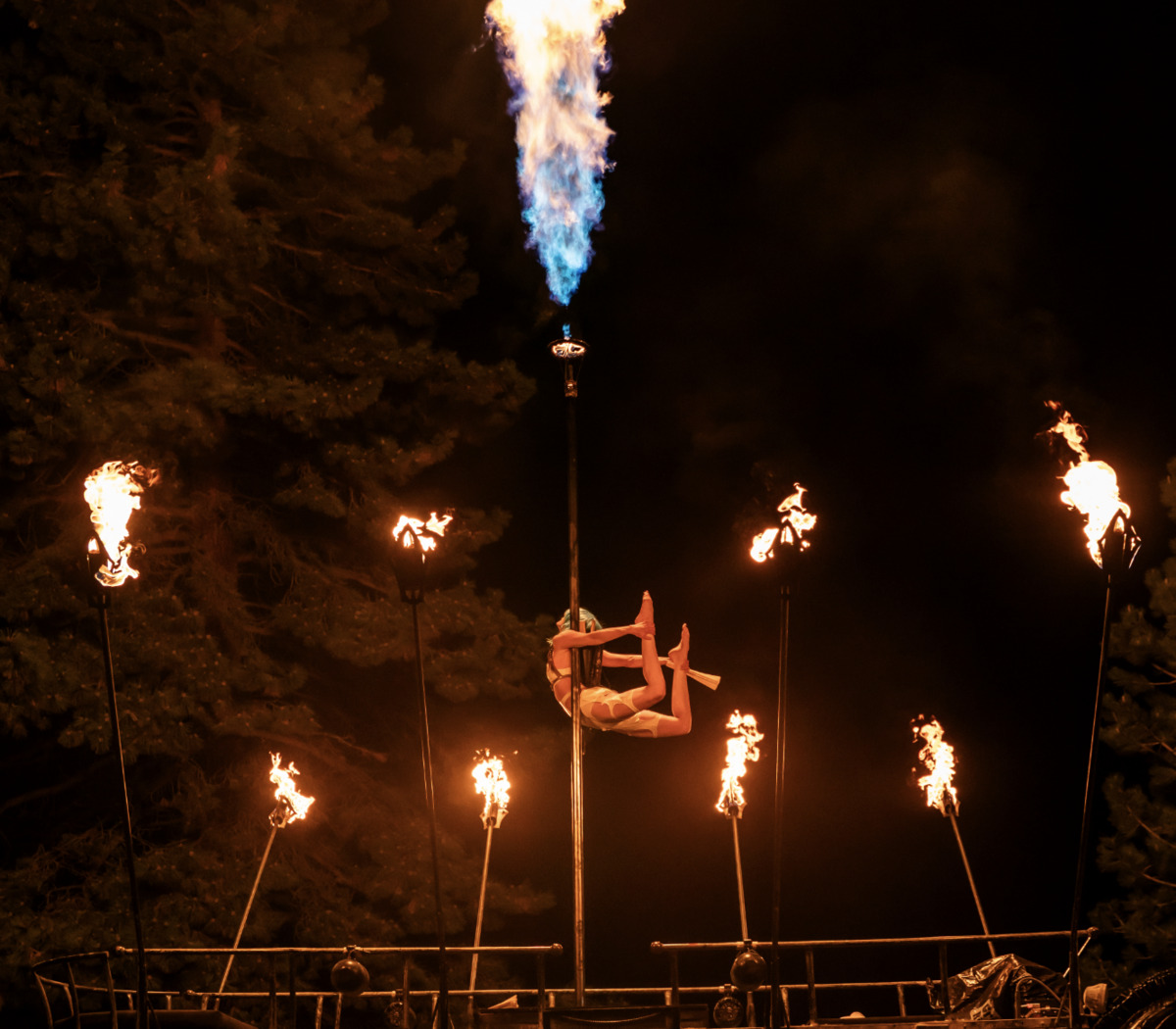
One of the biggest challenges I’ve faced is something I knowingly stepped into from the very beginning: trying to present pole dance as a legitimate art form to wider audiences. Over the years, I’ve realized that while many people are open-minded and immediately understand the athleticism, expression, and artistry behind it, there are still others who continue to view it through a very limited and outdated perspective.
I have deep respect for the strippers, performers and dancers who helped shape and influence the culture around pole, but a lot of the misogyny attached to it still runs deep and can be incredibly difficult to shift. Still, I think attitudes have changed significantly over the last few decades, especially as pole has evolved and grown into a more widely recognized form of movement, performance, and creative expression.

How do you market yourself and your art to gain recognition from galleries and collectors?
I’ve definitely reached a point of burnout when it comes to marketing. After years of constantly posting on Instagram, running an art business, and repeatedly applying for galleries, residencies, and grants often without hearing anything back it can start to feel exhausting, like you’re endlessly sending your work out into the void. Over time, I realized I didn’t want to keep measuring success that way, so I shifted my focus toward something that feels far more meaningful to me: community.
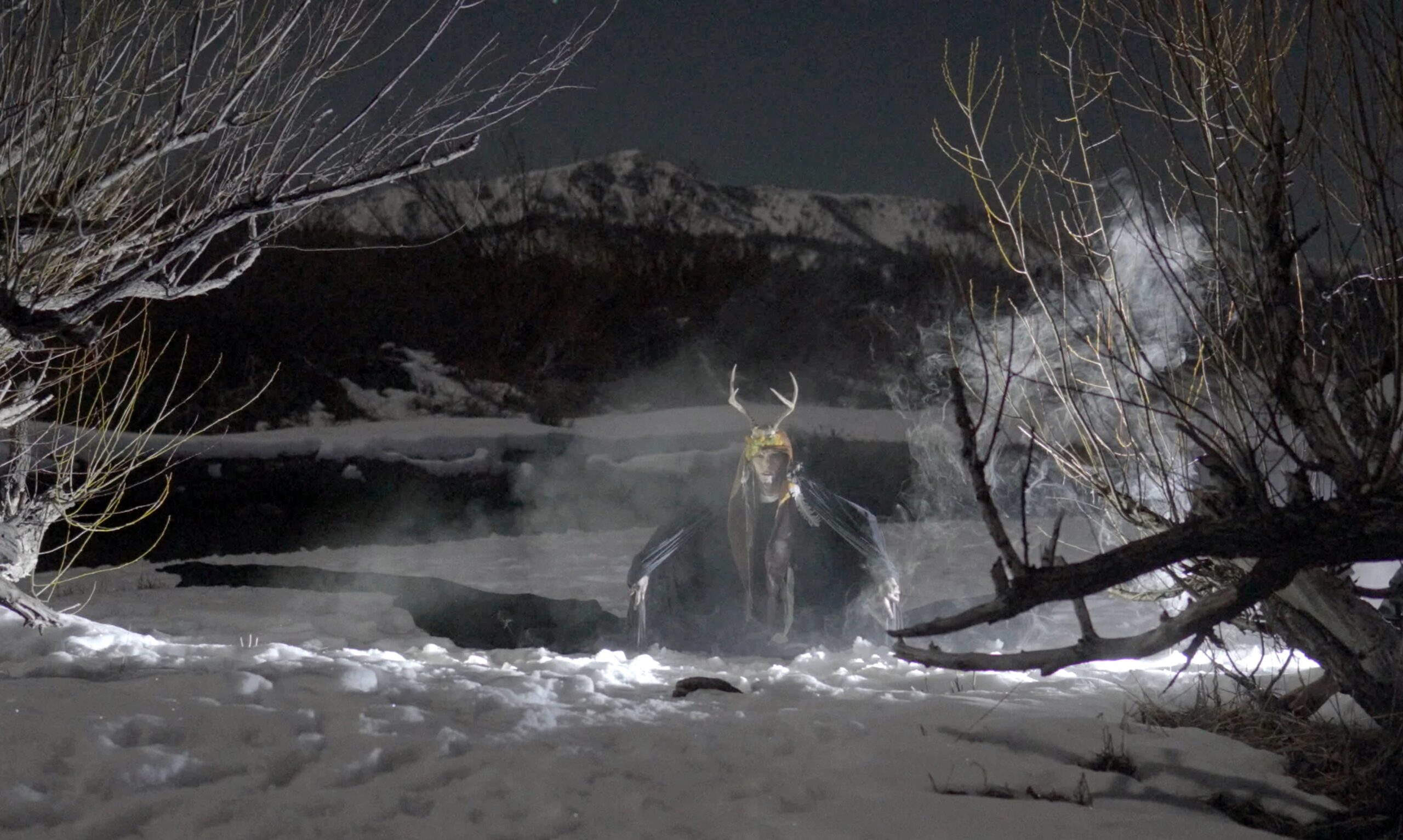
I’m incredibly grateful for the small but dedicated community I’ve built through my Patreon tribe. We may be small, but we’re powerful, and together we’ve donated over $11,000 to charity since 2017, which makes me really proud. Lately, instead of focusing on promotion, I’ve been putting my energy into creating local events and collaborative experiences. I work closely with a group of pole dancers, and together with a local fire troupe, we create performances and sound healing journeys inspired by the pagan wheel of the year. That work feels deeply aligned with who I am and the kind of connection I want my art to create.
Join cutting-edge artists from around the world
The Beautiful Bizarre Artist Directory is a powerful tool for artists looking to grow their visibility, and connect with fellow artists, curators and collectors. To join the Beautiful Bizarre Artist Directory click here for more information.