The Quick Q & A editorial in Beautiful Bizarre Magazine is a much loved regular feature, in which we ask 6 artists the same 4 questions. In the September Issue 50, these were the Quick Q & A questions:
- Has creating art ever served as a form of emotional regulation or healing for you? How so?
- Do you work with recurring symbols, archetypes in your art? What do they represent for you?
- What role does imperfection play in your art, if any?
- How do you imagine the relationship between technology and creativity changing in the next 10 years?
We feel that the artists’ responses provide such a valuable insight for our community of artists that we wanted to share one Quick Q & A response from each issue with you, going forward. The September 2025 Issue 50 print is sold out, but you can download the digital magazine via our webstore to read more. To ensure you never miss an issue again, you can also subscribe to Beautiful Bizarre Magazine, and have each issue sent straight to your door each quarter.
Excerpt from Issue 50 // September 2025 Quick Q & A editorial: Marzieh Shojaee, Molly Devlin, Briana Hertzog, Sara Lee, Nadine Tralala [2025 Beautiful Bizarre Art Prize, Emerging Artist Award 1st Prize Winner], Senescence [2025 Beautiful Bizarre Art Prize, Emerging Artist Award 3rd Prize Winner] all respond to the below Quick Q & A:
Has creating art ever served as a form of emotional regulation or healing for you? How so?
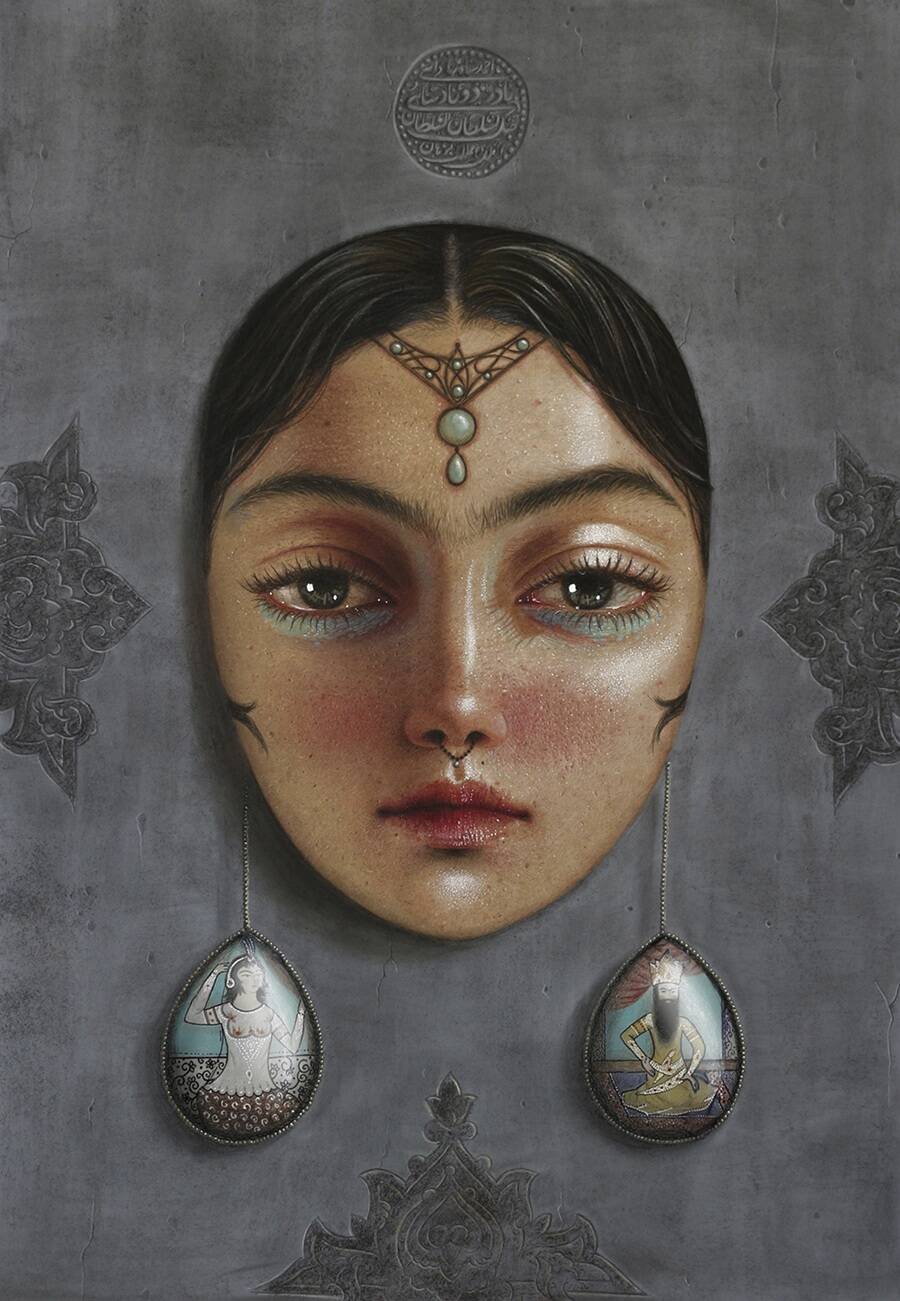
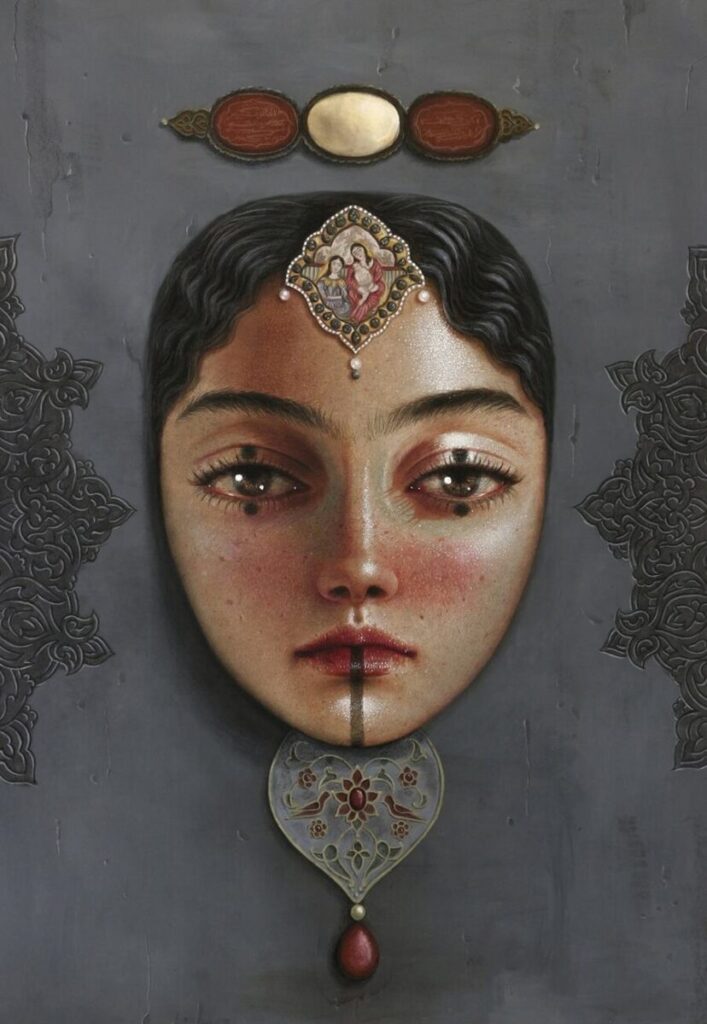
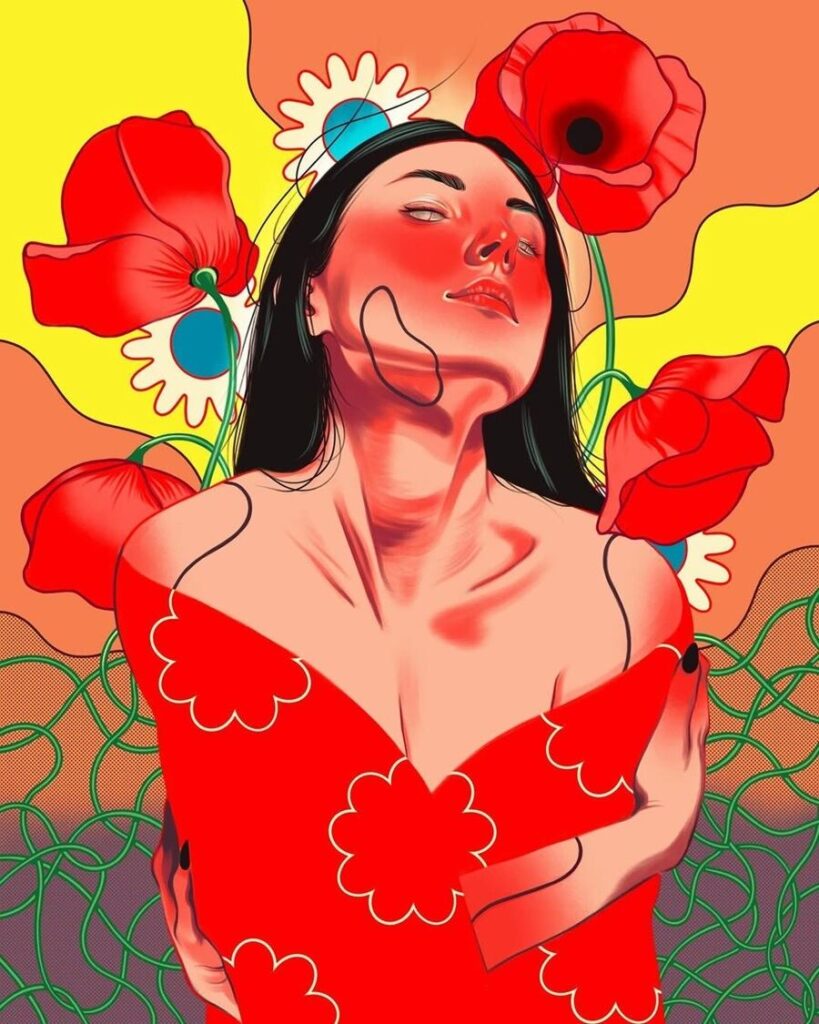
“In my experience, creating art has never been about emotional catharsis in the expressionist sense – an impulsive release of feelings – but rather a process rooted in thought, reflection, and the deliberate search for precise formal and conceptual harmony. Emotional regulation, for me, emerges not from expression, but from understanding. As someone with an academic background in the philosophy of art, my creative process begins long before the first mark is made.
It starts with research, with contemplation of symbols, with studying nuances and questioning meanings. The sense of resolution comes not from revealing emotion, but from constructing a visual structure that can hold layered meanings and quiet complexities. In this way, art becomes a philosophical inquiry – not just into the subject, but into the act of perception itself.”
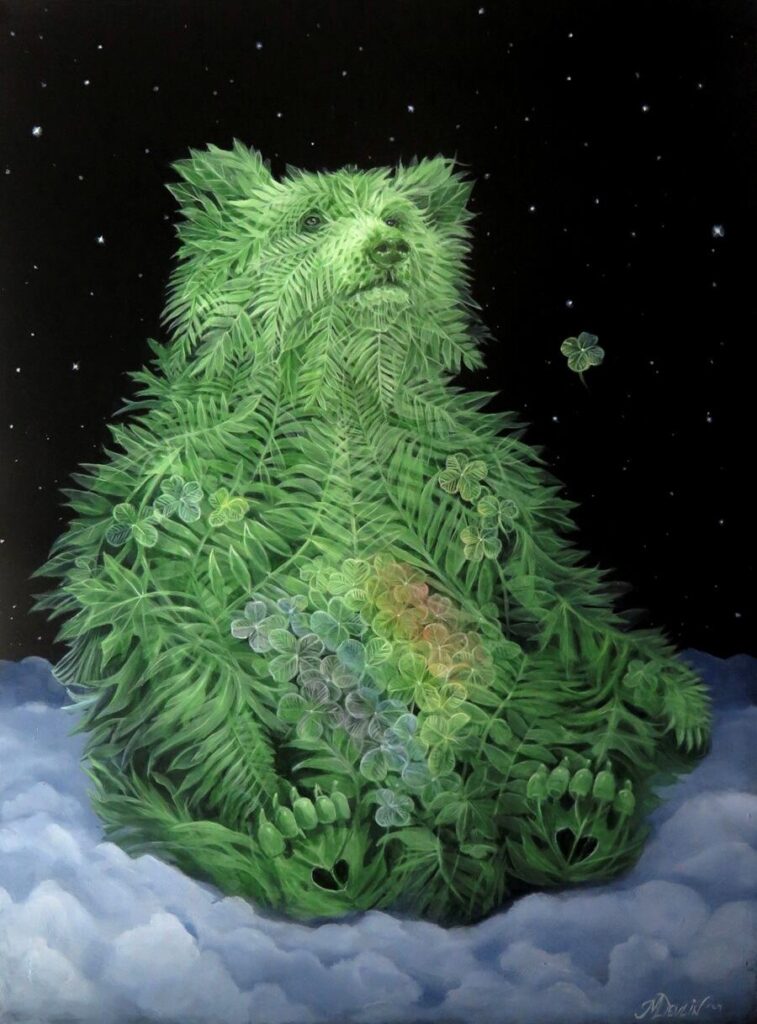
“Absolutely. Drawing and painting have always been a huge part of my life, a means for expression but also a vessel for me to enter worlds locked within. The act of making art has always felt like going to a place. Within the realm of making art, I get to explore my imagination, conjure dreams from anxieties, and use my past memories to construct something new into existence.
It’s a powerful tool for invention, but also comfort; the act of painting can be tedious, but it’s in that process of extended concentration when I sometimes feel most at peace.”
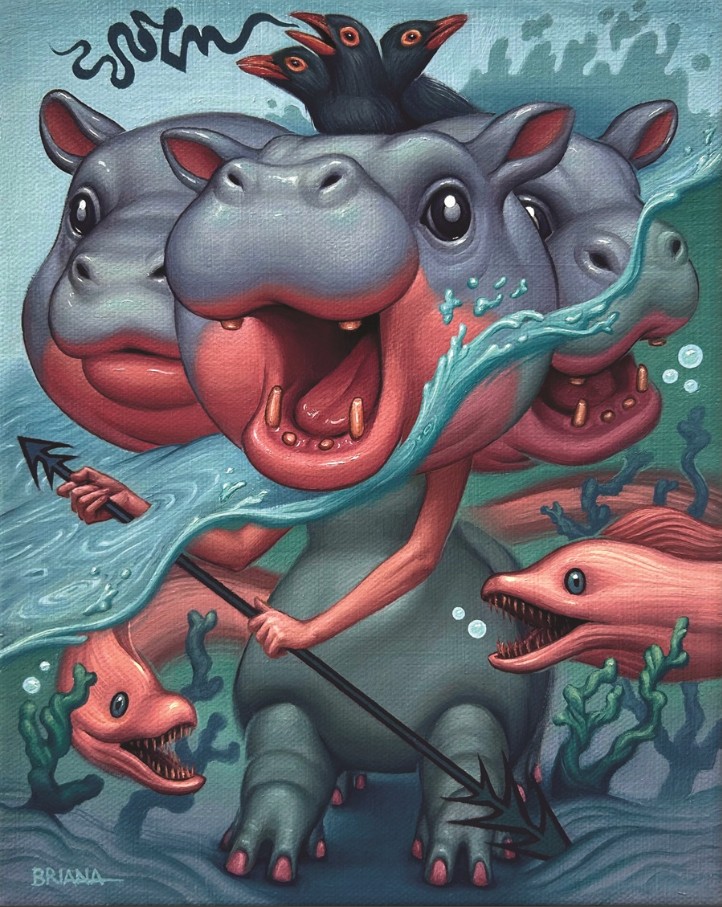
“Absolutely. While my work is often whimsical and playful, my themes and subject matter arise from complex, intricate emotions and my pivotal life experiences. I pour my full self into my art by addressing inner emotions. An example is the recurring idea of life’s purpose. I’ve created a number of pieces where I address that our purpose in life is often greater than ourselves.
An example of this is my painting Sacrifice, where I depict that the suffering of the lamb leads to the healing and growth of its surrounding habitat. Art has become a way for me to make sense of the world and is the driving force behind making me the person I am today.”
“Always. Creating art has always been a means of healing and emotional release. As someone who lives with depression and anxiety, it allows me to express feelings that I find complex or difficult. I also find the process of painting therapeutic. I will go a day or two without drawing, and I will miss it. However, what truly resonates with me is when others connect with my work on an emotional level.
I’ve had people tell me how they relate to my painting, and that feeling is so validating. It is incredibly fulfilling to be able to use art as a means of self-expression and emotionally connect with others. It fuels my passion to keep exploring and sharing my art.”
“Yes, absolutely. Of course, I don’t sit down thinking, “Ah yes, time for emotional healing now,” but somehow the painfully loud world gets quieter while I work. The repetitive nature of mixing colours, layering brushstrokes, stepping back and adjusting is almost like a form of meditation. There’s comfort in that routine. It creates a sense of order but also gives me the freedom to shape the world the way I wish it were: softer, kinder, a bit more poetic and colourful.
Painting is a language I like to speak when I’ve run out of words. That’s the healing part of it. The less pleasant side is that it can also be incredibly frustrating at times. Especially because I don’t speak the language of painting fluently.”
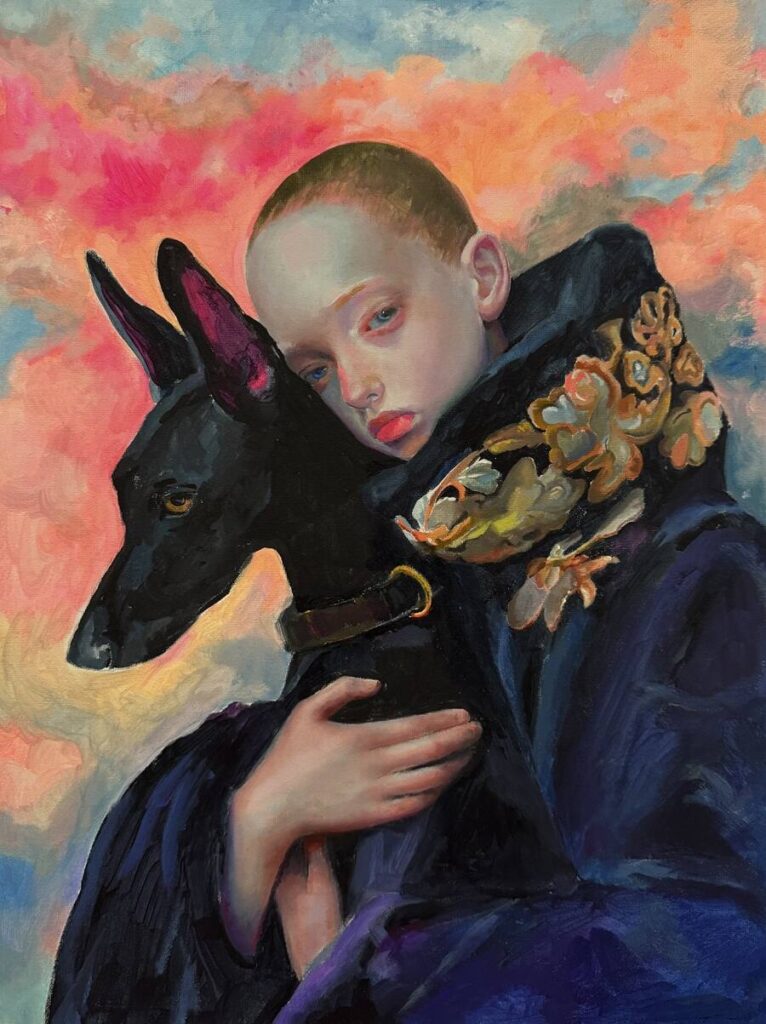
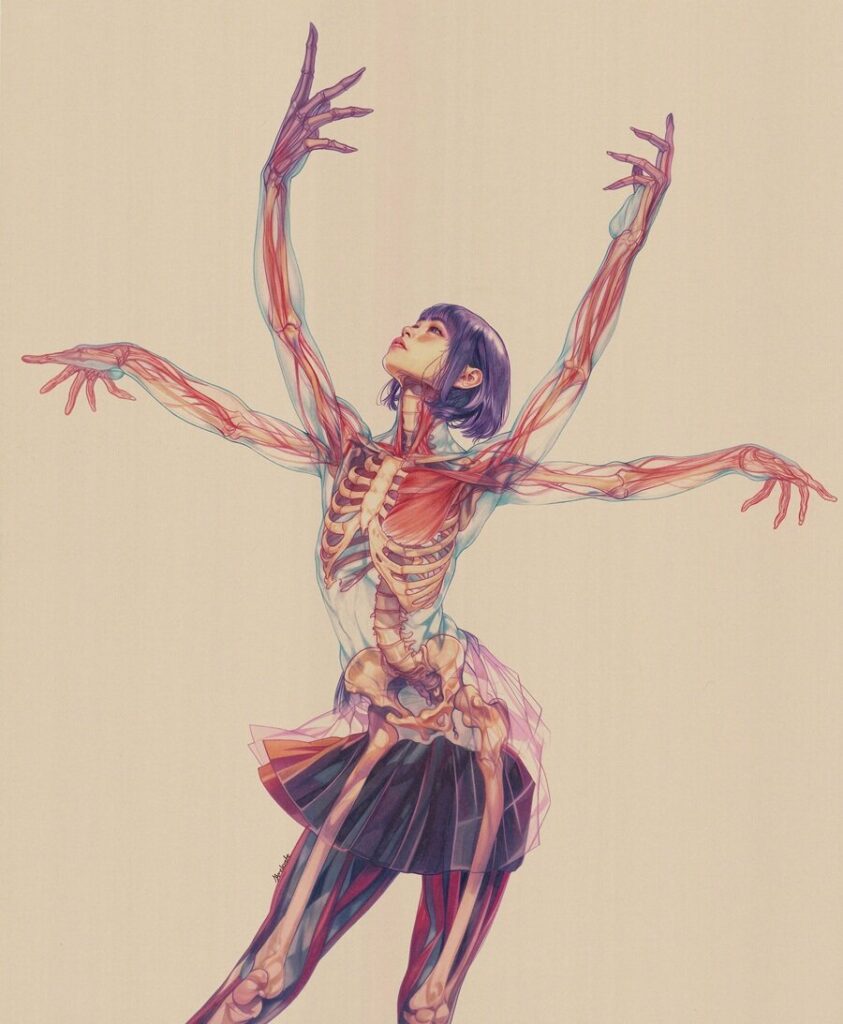
“Yes, art has served as a means of experiential processing for me. Since childhood, I have instinctively turned to automatic sketching, which often evolves into more developed illustrative concepts. While I remain unsure on whether externalising inner thoughts is ultimately therapeutic or disquieting, the act of creation inevitably alters how I experience and understand those thoughts. My ongoing health challenges have also influenced the rhythm of my artistic practice. During more difficult periods, I often find it challenging to produce
work at all.
However, with time, the internal pressure to express what cannot be verbalised tends to culminate in concentrated periods of creative output. These phases are often marked by a balance of deliberate composition and spontaneous, subconscious expression through line and colour.”