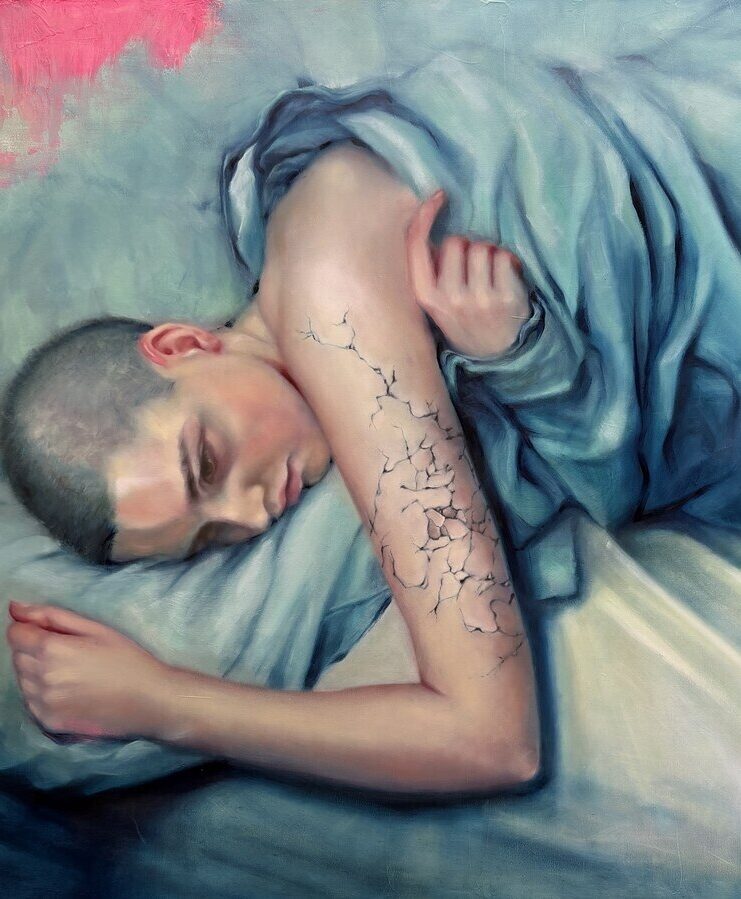
Silvia Bignami is a Beautiful Bizarre Artist Directory member provides some fascinating insights into her practice and experiences as she responds to the questions below:
- What piece of advice do you have to unlearn to get the next step in your art career?
- If the child version of you could see you now, what do you think they would say/think?
- How do you approach the challenge of staying motivated and inspired in your art practice?
- How do you differentiate yourself and your work from other artists in your field?
What piece of advice do you have to unlearn to get the next step in your art career?
Probably the belief I should try to unlearn is that talent is enough. Talent itself is important, but it can become a trap if it turns into an excuse not to study or not to keep challenging yourself, especially in the things that don’t come naturally to you. And even once you have developed talent and technique, that still isn’t enough. In 2026, the ability to promote yourself, both on social media and in person, is just as essential. Even when, as a painter, what you want most is simply to shut yourself away in your studio and paint.


If the child version of you could see you now, what do you think they would say/think?
I think the child version of me would be happy to know that I paint, and she would probably say, “Finally.” I used to draw constantly as a child. My dolls were drawings of the heroines from the anime I watched on TV. That Silvia would have said that she wanted to be a painter when she grew up. As I got older, though, I also fell in love with writing, and for a long time, from my teenage years onwards, that was the path I followed. I became a professional journalist, a career I loved very much. It was only as an adult that the part of me that loved drawing began to make itself heard again, demanding its turn. And I listened.



How do you approach the challenge of staying motivated and inspired in your art practice?
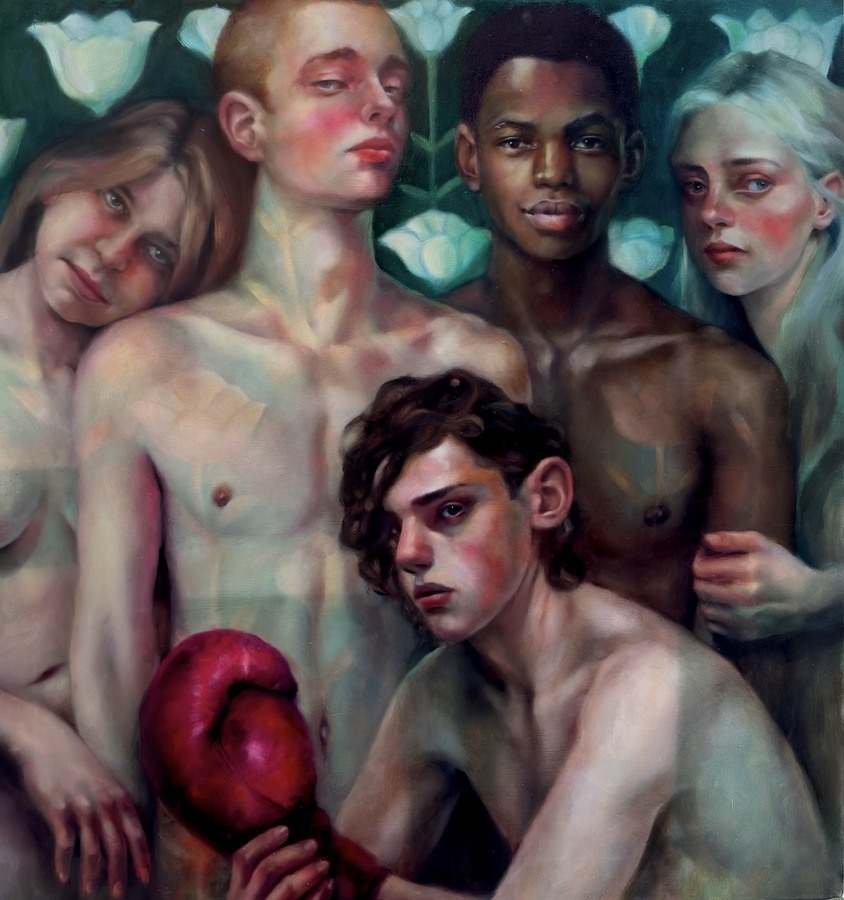
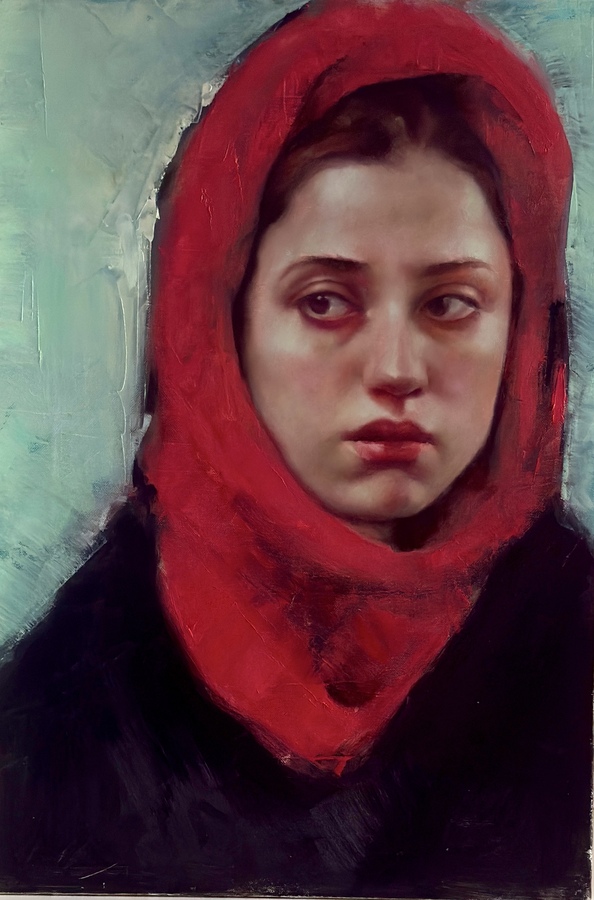
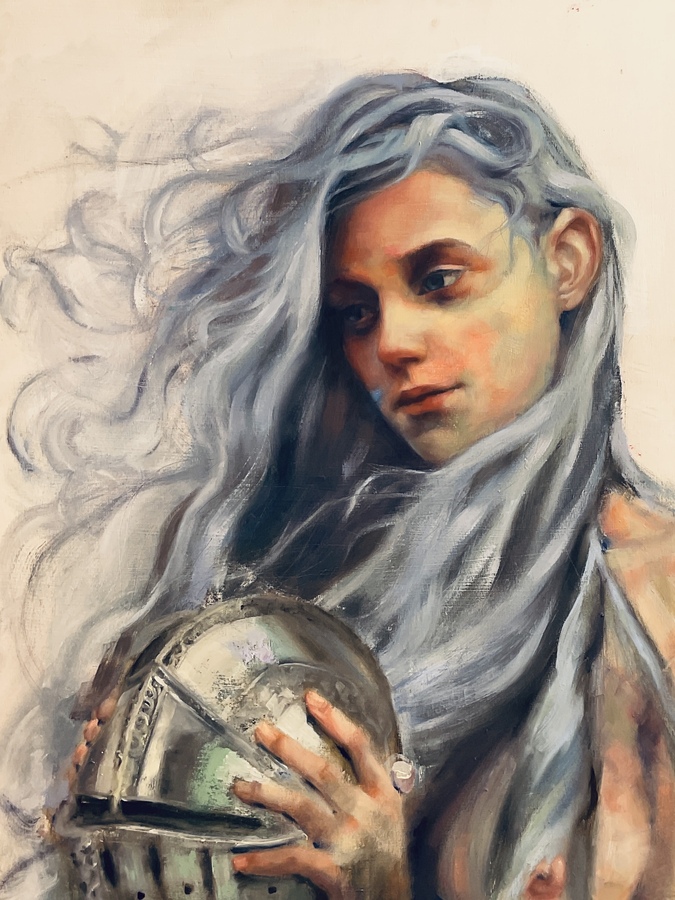
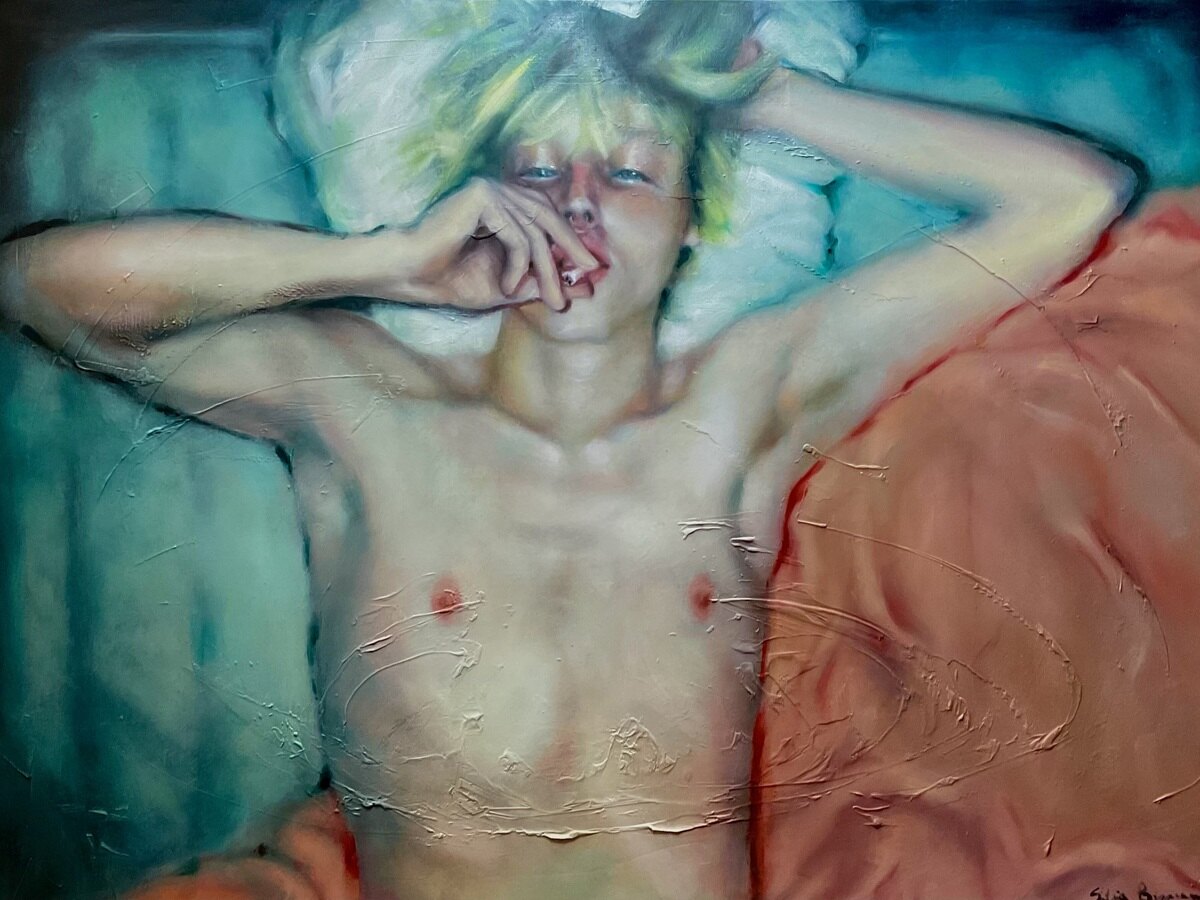
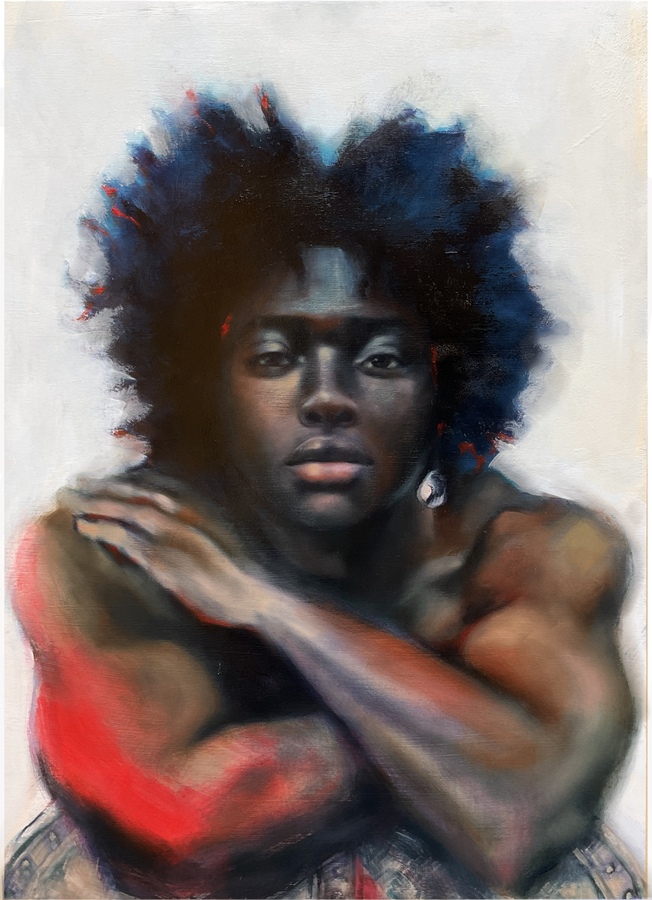
My motivation often comes from an emotional relationship with the subject of a painting. I need to “fall in love” with what a face expresses. That might mean feeling the emotion of the person I’m painting, or sensing the story they are telling. This becomes even more important when there are several figures in a painting. If their relationship interests me for some reason, that relationship becomes the real subject of the work, much more than their individual facial features. It might be love, shyness or fear, but what matters to me is that you can feel the story that is “happening” within the painting. I can’t stay motivated by practising technique alone: I need what I’m doing to have a personal connection with me.




How do you differentiate yourself and your work from other artists in your field?
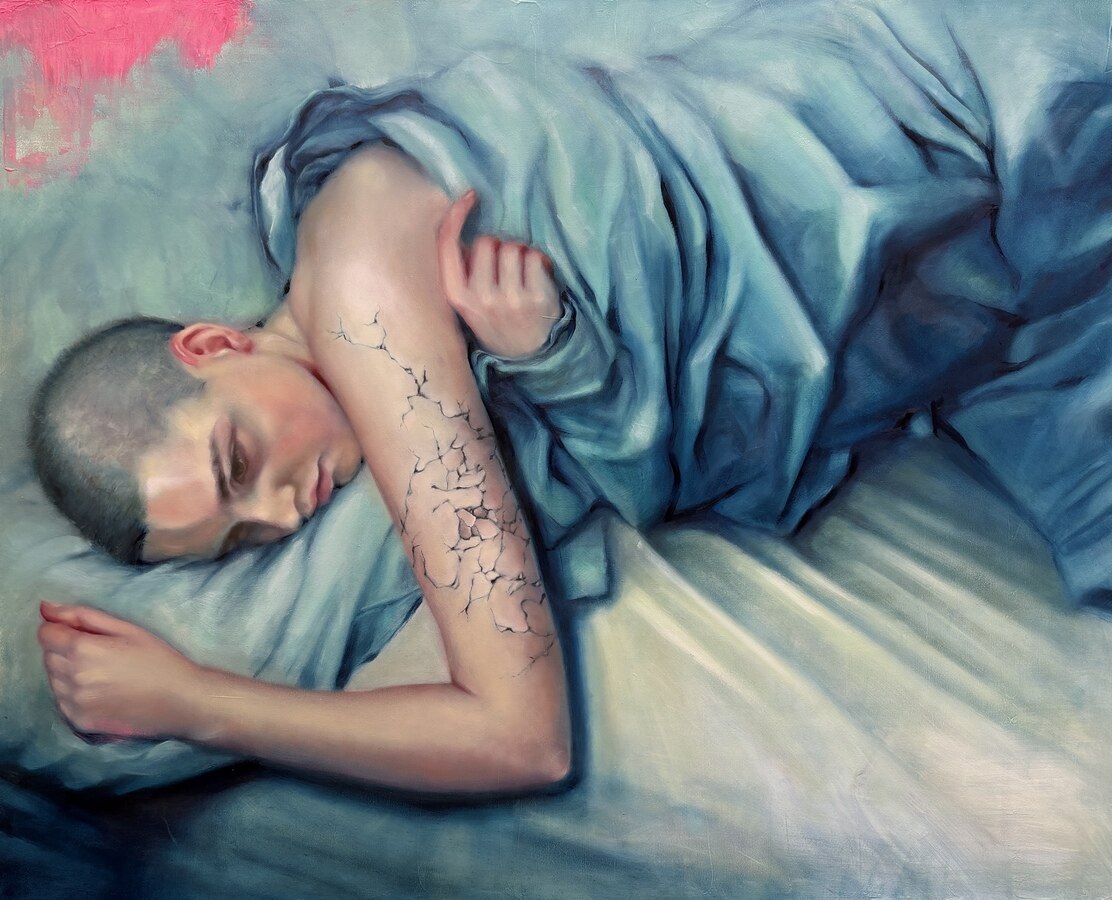
To answer that, I would have to assume that my work is particularly original. In any case, I don’t think you should consciously try to differentiate yourself. I think you need to follow your instincts and, above all, not be afraid to reveal yourself through painting.If you can do that — and it isn’t easy at all, because painting means exposing yourself, along with your flaws, insecurities, desires and even your fears — the difference from other artists emerges naturally, because each of us is literally unique. What you can think about more consciously, however, are the themes you choose to explore. In my case, I believe there is a significant lack of inclusivity and representation of fluid and queer identities in traditional figurative painting, and that is why I’m focusing much of my attention on this.

Join cutting-edge artists from around the world
The Beautiful Bizarre Artist Directory is a powerful tool for artists looking to grow their visibility, and connect with fellow artists, curators and collectors. To join the Beautiful Bizarre Artist Directory click here for more information.